The Role of the United Gold Coast Convention in Ghana's Path to Independence
Ghana
Politics
Ghana
Independence Movement
3 min read
Updated By: History Editorial Network (HEN)
Published:
Updated:
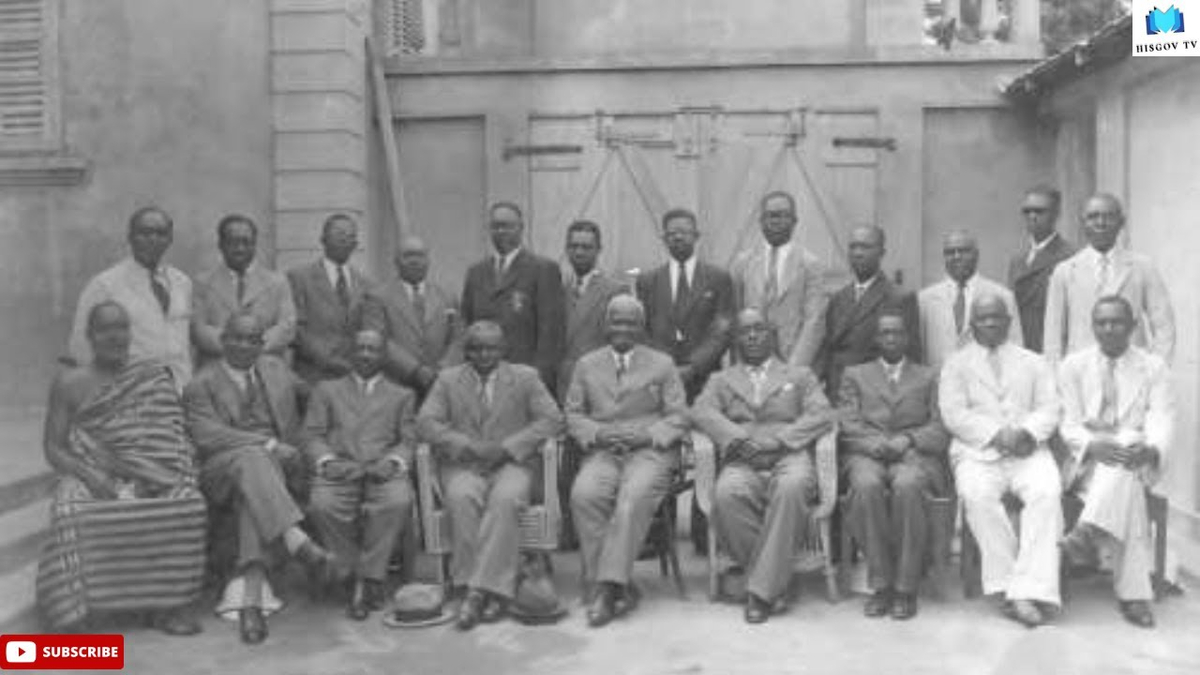
In 1947, the political landscape of the Gold Coast underwent a significant transformation with the formation of the United Gold Coast Convention (UGCC). This pivotal organization was spearheaded by a group of influential leaders known as 'The Big Six', which included prominent figures such as Kwame Nkrumah. Following the 1946 Gold Coast legislative election, the UGCC emerged as a powerful voice advocating for self-governance. The call for 'self-government within the shortest possible time' resonated deeply with the aspirations of the Ghanaian people, who were increasingly aware of their colonial status and the need for political autonomy.
The UGCC's formation marked a crucial step in the struggle for independence, setting the stage for future political developments in the region. The efforts of the UGCC and its leaders played a vital role in mobilizing public support and laying the groundwork for Ghana's eventual independence in 1957, making it the first African nation to achieve self-rule. This period was characterized by heightened political activism and a growing sense of national identity among the people of the Gold Coast, ultimately leading to significant changes in governance and the end of colonial rule.
#Mooflife #MomentOfLife #UnitedGoldCoastConvention #KwameNkrumah #GhanaIndependence #AfricanNationalism #ColonialHistory

Explore the Life Moments of
 AI Twin