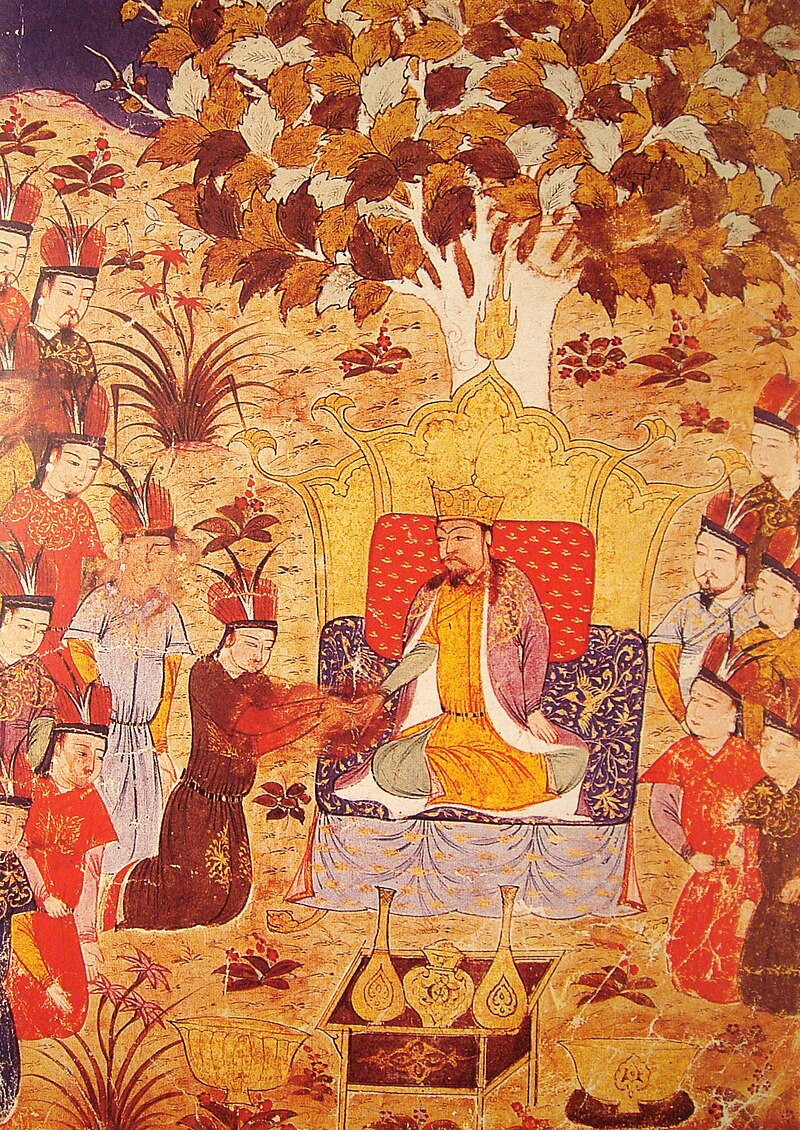
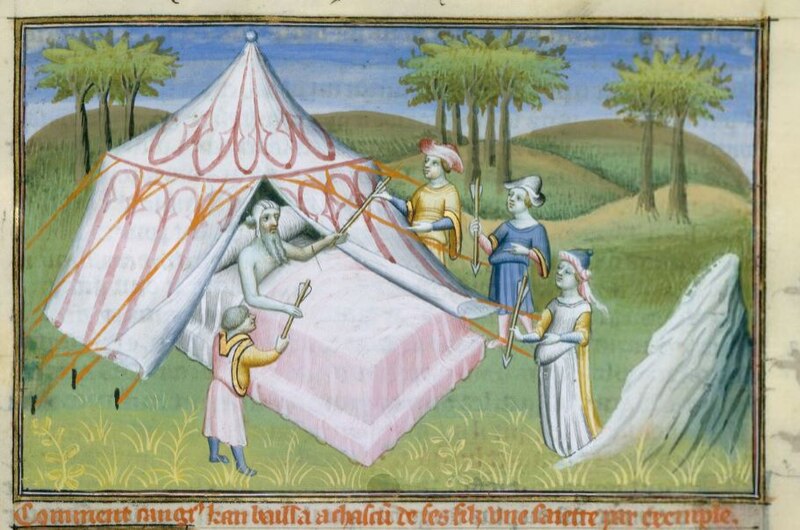
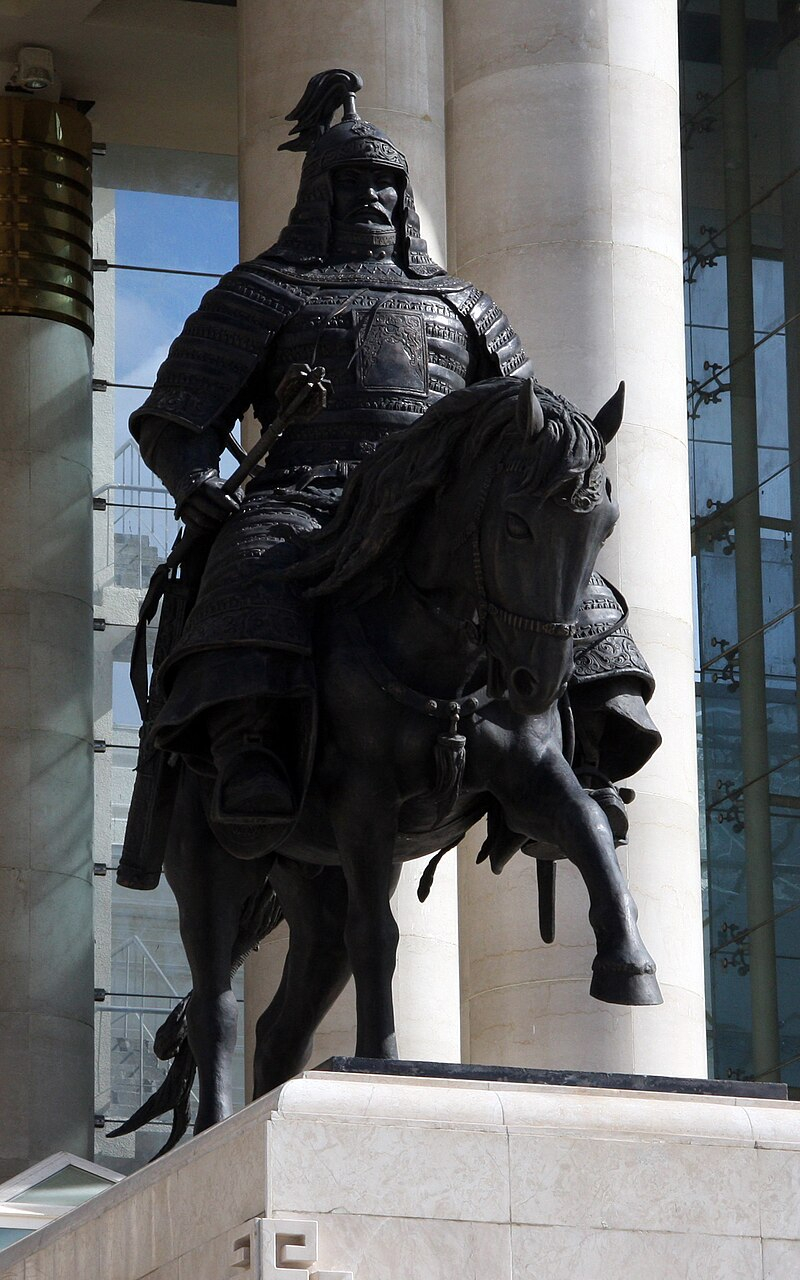
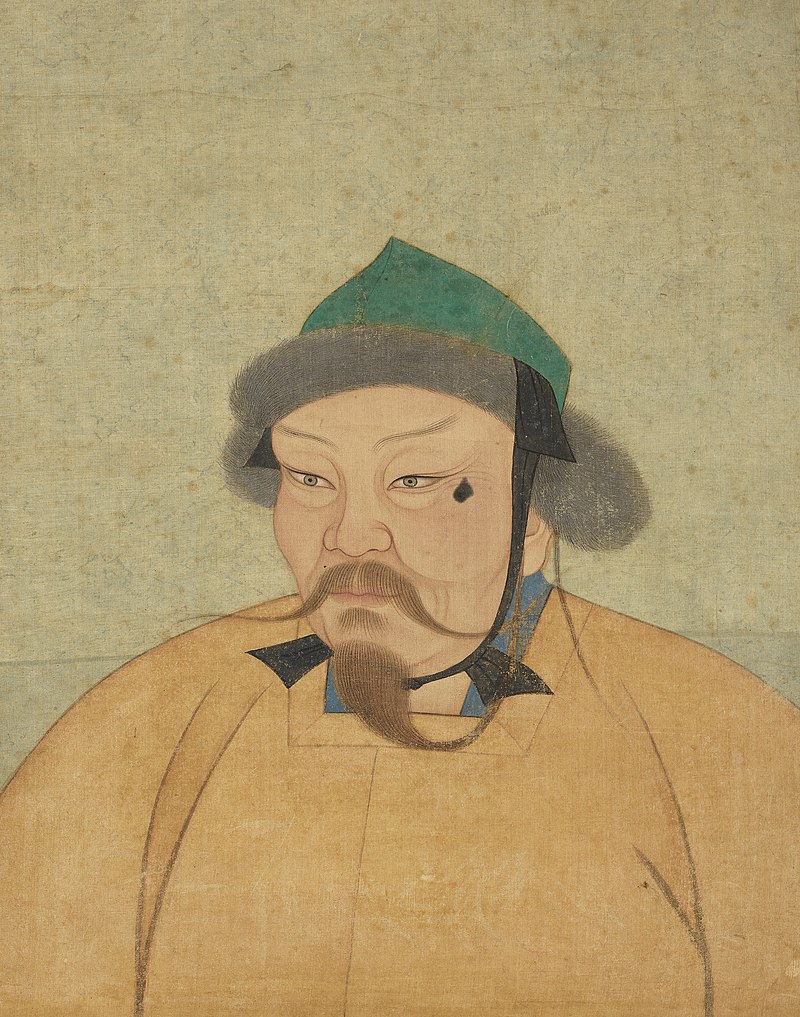
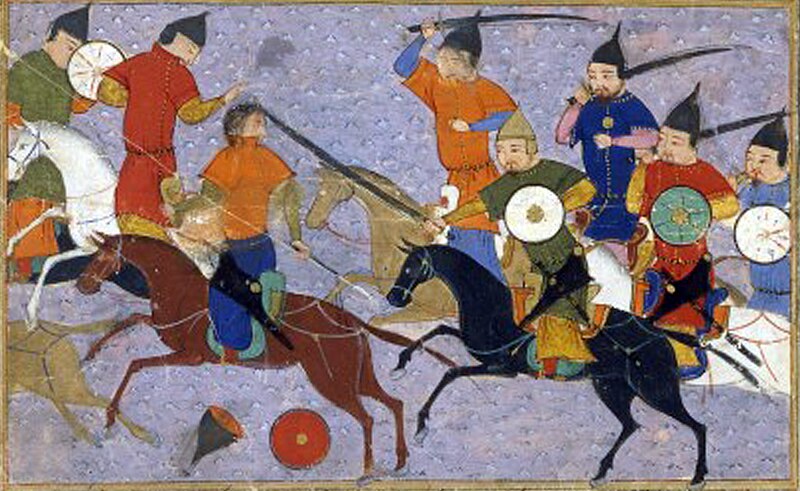
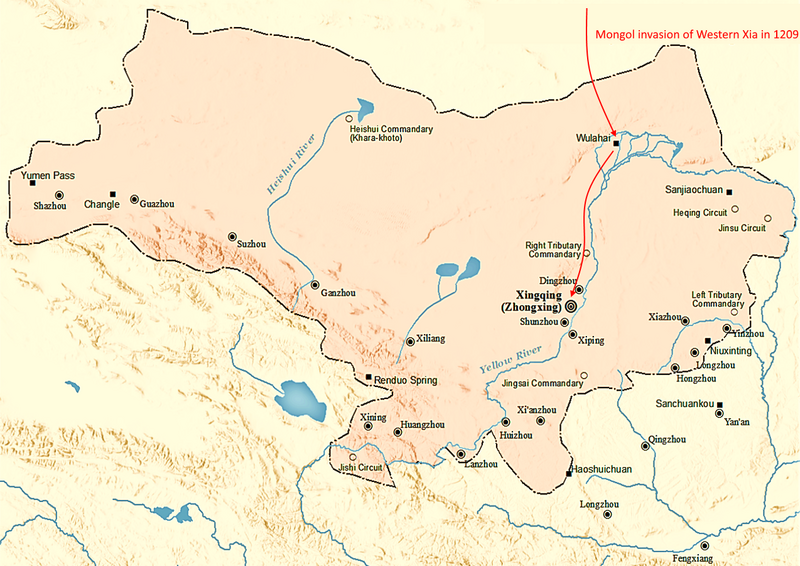
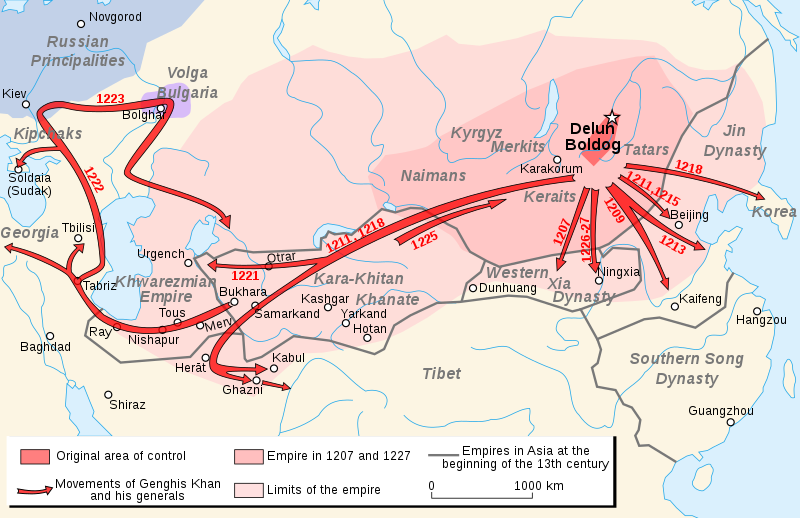
Genghis Khan

Scourge of God
About
#GenghisKhan
#MongolEmpire
#HistoryMakers
#WarriorLeader
Life Classifications
Chinggis Khan, Mongol Empire
Life ID
PL2516633886079
Verified Name
genghis-khan
Life Type
Person Life
Birth
1162-Jan-01
Age
864 years
Life Editor(s)
History Editorial Network (HEN)
Life Privacy
Public
Subscription
Elite
Created On
2025-06-30
Updated On
2025-12-21
Connect
Related Lives
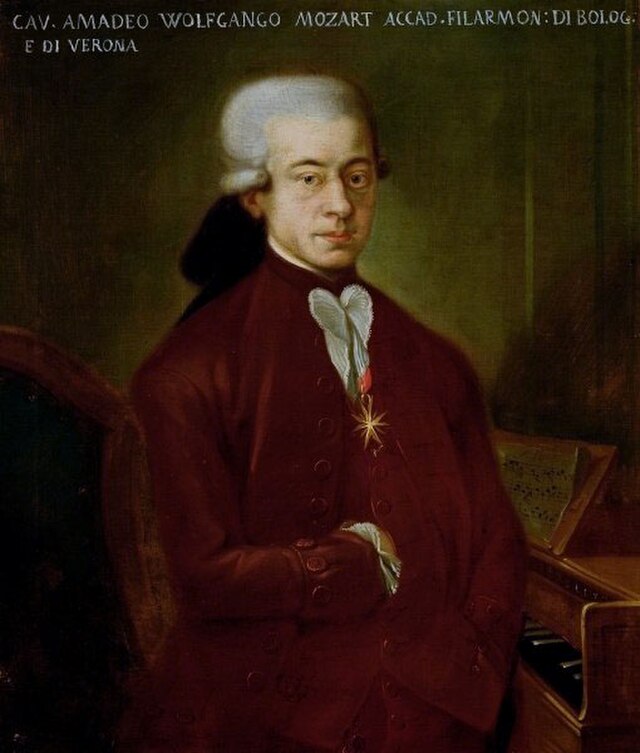
Wolfgang Amadeus Mozart
The Classical Wonderkid
Joseph Stalin
Soviet politician and revolutionary

Elvis Presley
King of Rock and Roll

Rachel McAdams
The Face of Cinematic Charm
Leonardo da Vinci
The Universal Genius

David Guetta
French DJ and Record Producer

Justin Bieber
Canadian singer

Steve Jobs
The Visionary of Innovation