Clash of Forces at Dalan Baljut
Upper Onon basin, Mongolia
Battle
Military
6 min read
Updated By: History Editorial Network (HEN)
Published:
Updated:
In 1187 near Mongolia’s Onon River, Temüjin-future Genghis Khan-was defeated by his former blood brother Jamukha at Dalan Baljut, retreating to Jerene Gorge in a turning point of steppe power politics.
The clash at Dalan Baljut grew out of a personal-and-political rupture between Temüjin and Jamukha, once bound as anda (sworn “blood brothers”). A triggering episode is described in the Mongol court chronicle tradition: Jamukha’s younger brother Taičar stole horses belonging to Jochi Darmala (in Temüjin’s camp). Jochi Darmala pursued the thief and killed Taičar, and Jamukha swore retaliation.
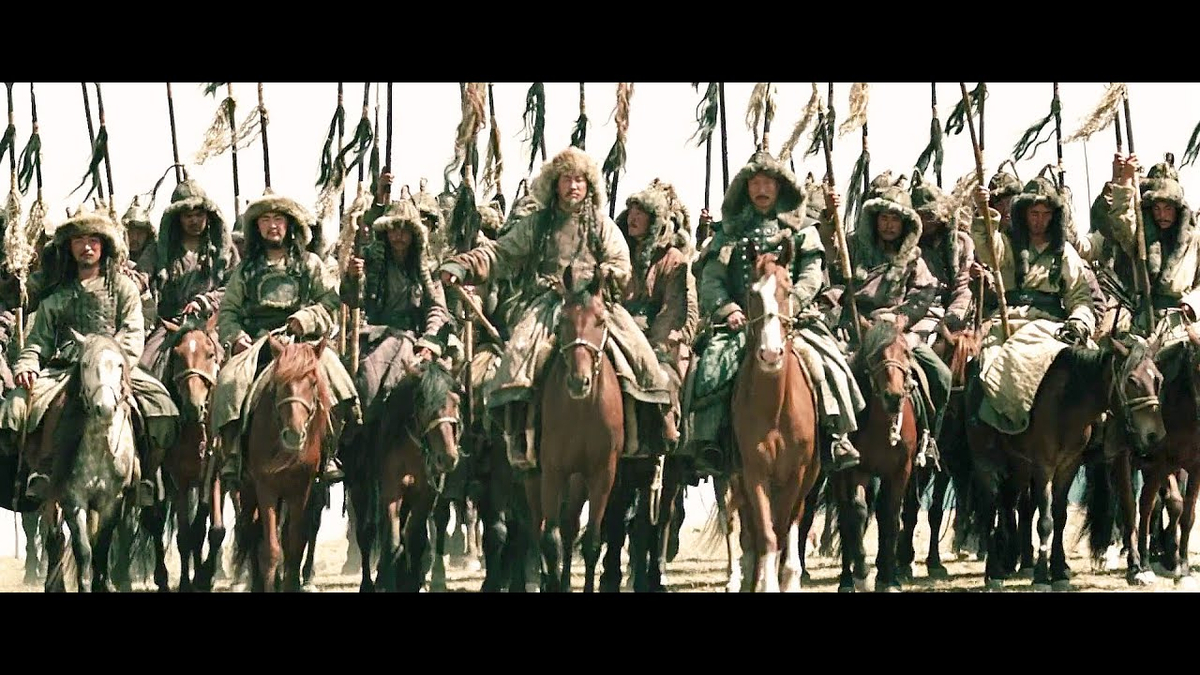
Jamukha then formed a broad coalition-named as “thirteen tribes” in the narrative-and organized his force into three units of ten thousand. Temüjin also mustered his followers into three ten-thousand units, and the two sides “joined battle at Dalan Baljut” (often glossed as the “Seventy Marshes”). Temüjin’s side was driven back, and he withdrew to the “narrow Jerene gorge by the Onon river.”
The aftermath became notorious. Rather than pursuing Temüjin into the defensible gorge, Jamukha turned on captives: the chronicle reports that he had the “princes of the Chinos” killed by boiling them in “seventy cauldrons,” and it also describes brutal trophy-taking intended to terrify opponents.
Strategically, many historians treat Dalan Baljut as a major setback that temporarily removed Temüjin from the center of steppe politics-one modern synthesis notes a serious defeat at Dalan Balzhut in 1187 followed by a near decade-long disappearance from the record before his resurgence. At the same time, Jamukha’s extreme treatment of captives is widely seen (in both narrative tradition and later interpretation) as politically costly, helping push some allies away from him and toward Temüjin in the longer arc of Mongol unification.
The clash at Dalan Baljut marked a pivotal moment in the power struggle between Temüjin and Jamukha, two prominent leaders among the Mongols. Temüjin, who had recently been recognized as khan by his followers, found himself in a precarious position as tensions with Jamukha escalated. Jamukha, who had previously been an ally, became resentful of Temüjin's rise to power, leading to a breakdown in their relationship. This animosity culminated in a battle at Dalan Baljut, where both forces were reported to be evenly matched. Despite the balance in numbers and strength, Temüjin faced a clear defeat in this encounter, which had significant implications for his leadership and future ambitions. The aftermath of the battle saw varying accounts from chroniclers, with some, including Rashid al-Din, later claiming that Temüjin emerged victorious, creating a historical debate regarding the true outcome of the conflict.
Location: Near the Onon/Onan River; the retreat point named Jerene Gorge/Pass is explicitly tied to the Onon in the primary narrative - generally placed in today’s northeastern Mongolia (upper Onon basin).
#MongolHistory
#Temüjin
#Jamukha
#BattleOfDalanBaljut
#MongolianLeadership

Explore the Life Moments of
 AI Twin