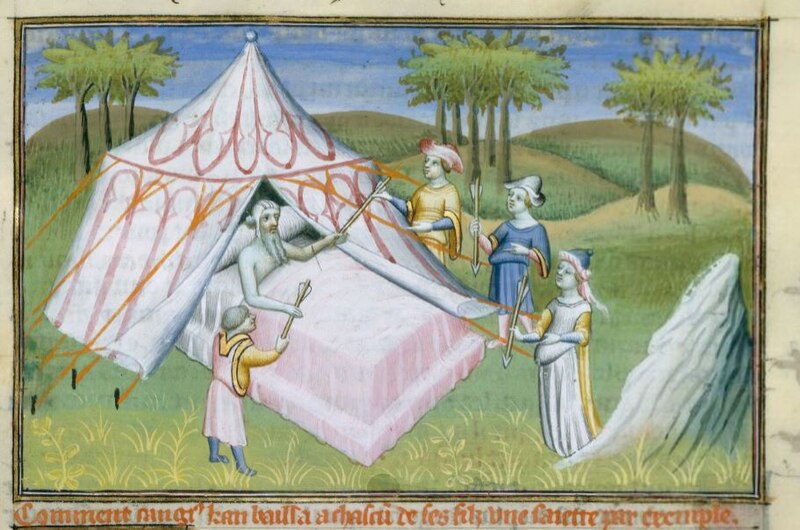
Death of Genghis Khan
Mongolia
Historical Events
Military History
Mongolian Empire
3 min read
Updated By: History Editorial Network (HEN)
Published:
Updated:
The death of Genghis Khan on August 18, 1227, marked the end of one of history’s most transformative lives. As the founder of the Mongol Empire, Genghis Khan (born Temüjin) unified the Mongol tribes and launched a wave of conquests that reshaped the political, cultural, and geographic contours of Eurasia. Under his leadership, the Mongols created the largest contiguous land empire in history, stretching from China to Eastern Europe. His military genius, organizational reforms, and unrelenting campaigns instilled both fear and awe across continents. Yet, the precise circumstances of his death remain shrouded in mystery, with theories ranging from injuries sustained in battle to illness or even assassination.
Genghis Khan’s death occurred during a campaign against the Western Xia dynasty in northwestern China. Despite his passing, he left behind a meticulously structured empire and a succession plan that divided his territory among his sons, ensuring the continuation of Mongol expansion under his descendants. The secrecy surrounding his burial added to his legend—his final resting place remains unknown, reportedly hidden in Mongolia and protected by soldiers who were themselves eliminated to preserve the secret. Genghis Khan’s legacy is both revered and feared: a symbol of imperial ambition, brutal conquest, and transformative power.
#mooflife
#MomentOfLife
#GenghisKhan
#XiaReliefArmy
#MongolConquests
#MilitaryHistory
#ChineseDynasties

Explore the Life Moments of
 AI Twin