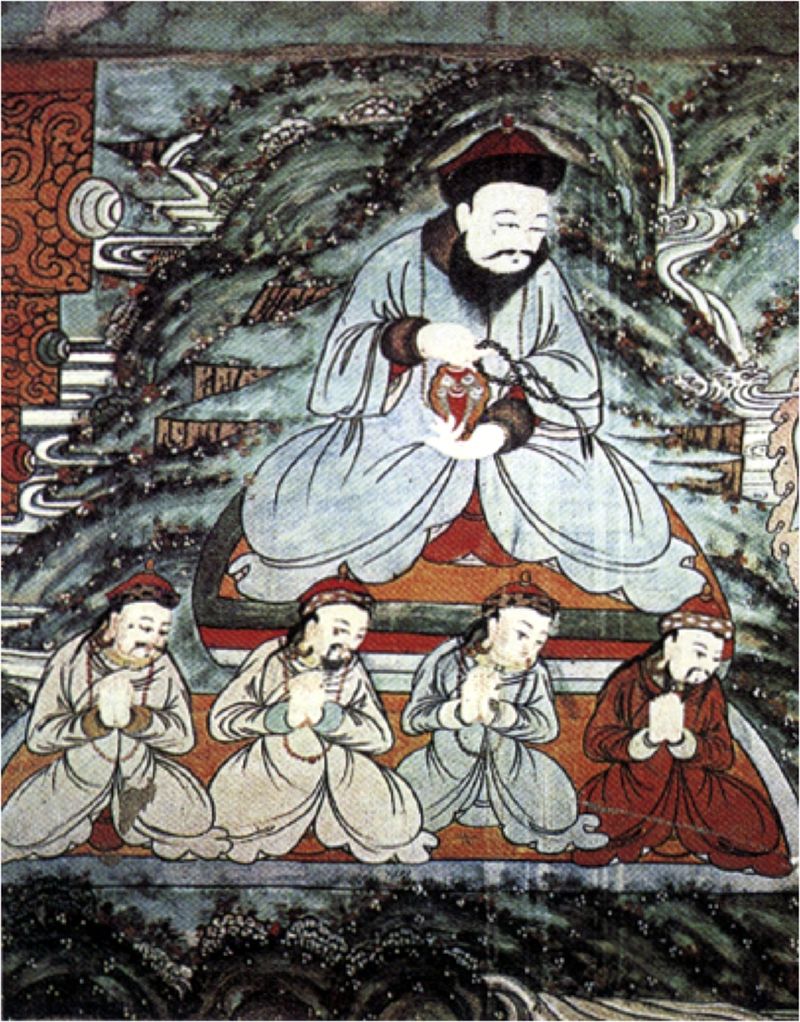
Genghis Khan Deified in Mongolia
Mongolia
Mongolian History
Religious Studies
Buddhism
4 min read
Updated By: History Editorial Network (HEN)
Published:
Updated:
Genghis Khan, a pivotal figure in Mongolian history, transitioned from a political leader to a religious icon following the conversion of Altan Khan to Tibetan Buddhism. This shift marked a significant change in how Genghis Khan was perceived within Mongolian culture. He was deified and integrated into the religious framework of the region, where he assumed a central role in the Mongolian religious tradition. As a deity, Genghis Khan was associated with various spiritual beliefs, drawing from Buddhist, shamanistic, and folk traditions. His portrayal as a new incarnation of a chakravartin, an idealized ruler akin to Ashoka, highlighted his elevated status in the spiritual hierarchy. Additionally, he was linked genealogically to the Buddha and ancient Buddhist kings, which further solidified his importance in the religious context.
The impact of Genghis Khan's deification extended beyond mere religious symbolism; it influenced cultural practices and rituals within Mongolia. He became a figure invoked during significant life events such as weddings and festivals, emphasizing his role in the everyday lives of the people. Furthermore, Genghis Khan's legacy was honored through ancestor veneration rituals, showcasing the deep respect and reverence held for him. The cult surrounding Genghis Khan was centered at the 'Eight White Yurts', which is recognized today as a mausoleum located in Inner Mongolia, China. This site serves as a testament to his enduring influence and the intertwining of his legacy with the spiritual and cultural identity of the Mongolian people.
#mooflife
#MomentOfLife
#GenghisKhan
#MongolianHistory
#Buddhism
#ReligiousTraditions
#CulturalImpact

Explore the Life Moments of
 AI Twin