Genghis Halts Central Asian Campaigns
Mongolia
Historical Events
Military Strategy
Leadership and Governance
3 min read
Updated By: History Editorial Network (HEN)
Published:
Updated:
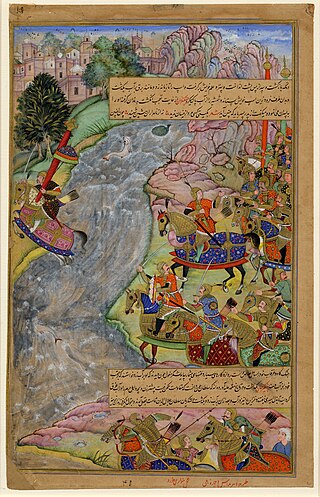
Genghis Khan's decision to halt his Central Asian campaigns was influenced by several strategic considerations. Initially, he intended to return through India; however, the climate proved to be a significant obstacle. The heat and humidity of South Asia were detrimental to the Mongol army's operational effectiveness, which relied heavily on mobility and speed. Additionally, unfavorable omens further discouraged the campaign. As a result, Genghis Khan redirected his focus towards consolidating his gains in Central Asia rather than pursuing a potentially costly venture into India. During this period, the Mongol forces faced numerous rebellions in Khorasan, which required considerable military attention. Despite these challenges, Genghis Khan made the strategic decision to withdraw completely from the region to prevent overextension of his forces. This withdrawal marked a shift in the Mongol frontier, which was established along the Amu Darya river, allowing for a more manageable defense and administration of the conquered territories.
#mooflife
#MomentOfLife
#GenghisKhan
#CentralAsia
#MongolEmpire
#MilitaryStrategy
#HistoricalCampaigns
Primary Reference
Encyclopedia of Mongolia and the Mongol Empire

Explore the Life Moments of
 AI Twin