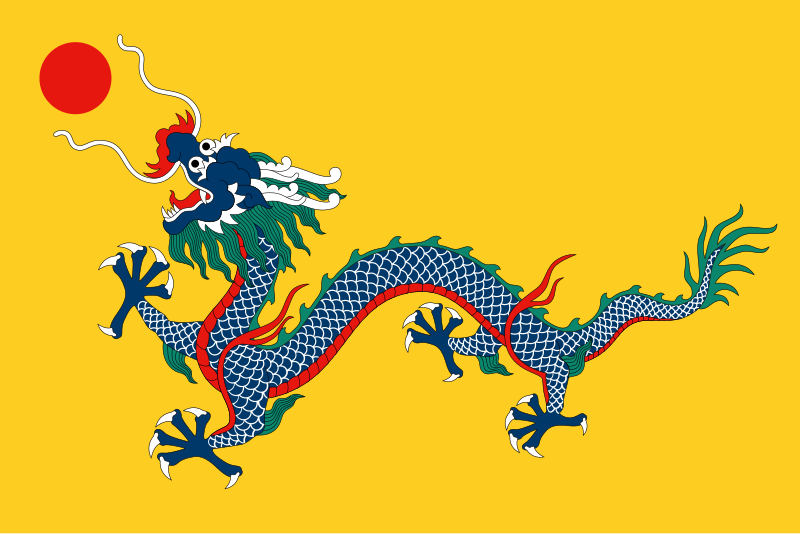
Qing Dynasty Reveres Genghis Khan
Mongolia
Historical Figures
Dynastic History
Cultural Legacy
4 min read
Updated By: History Editorial Network (HEN)
Published:
Updated:
The Qing Dynasty, which ruled China from the mid-17th century until the early 20th century, held a complex relationship with historical figures, particularly Genghis Khan. Under the Yuan Dynasty, Genghis Khan was celebrated as a national creator, a status that persisted even after the establishment of the Ming Dynasty. The Ming rulers, however, adopted a more critical stance towards Genghis Khan, reflecting a shift in the political and cultural narrative of the time. Despite this disavowal, the Qing Dynasty sought to restore the positive image of Genghis Khan, positioning themselves as his heirs. This restoration was part of a broader strategy to legitimize their rule and unify the diverse ethnic groups within their empire, including Mongols, who revered Genghis Khan as a pivotal figure in their history.
The Qing Dynasty's reverence for Genghis Khan had significant implications for their governance and cultural policies. By embracing Genghis Khan's legacy, the Qing rulers aimed to foster loyalty among the Mongolian nobility and integrate Mongolian culture into the broader Chinese identity. This approach not only reinforced the Qing's authority but also facilitated the expansion of their influence across Inner Asia. The Qing's acknowledgment of Genghis Khan's contributions to statecraft and military prowess served to enhance their legitimacy, as they drew parallels between their own conquests and those of the great Mongol leader. This historical reverence contributed to the Qing Dynasty's ability to maintain control over a vast and diverse empire, ultimately shaping the political landscape of China during their reign.
#mooflife
#MomentOfLife
#QingDynasty
#GenghisKhan
#MongolianHistory
#ChineseHistory
#CulturalLegacy

Explore the Life Moments of
 AI Twin