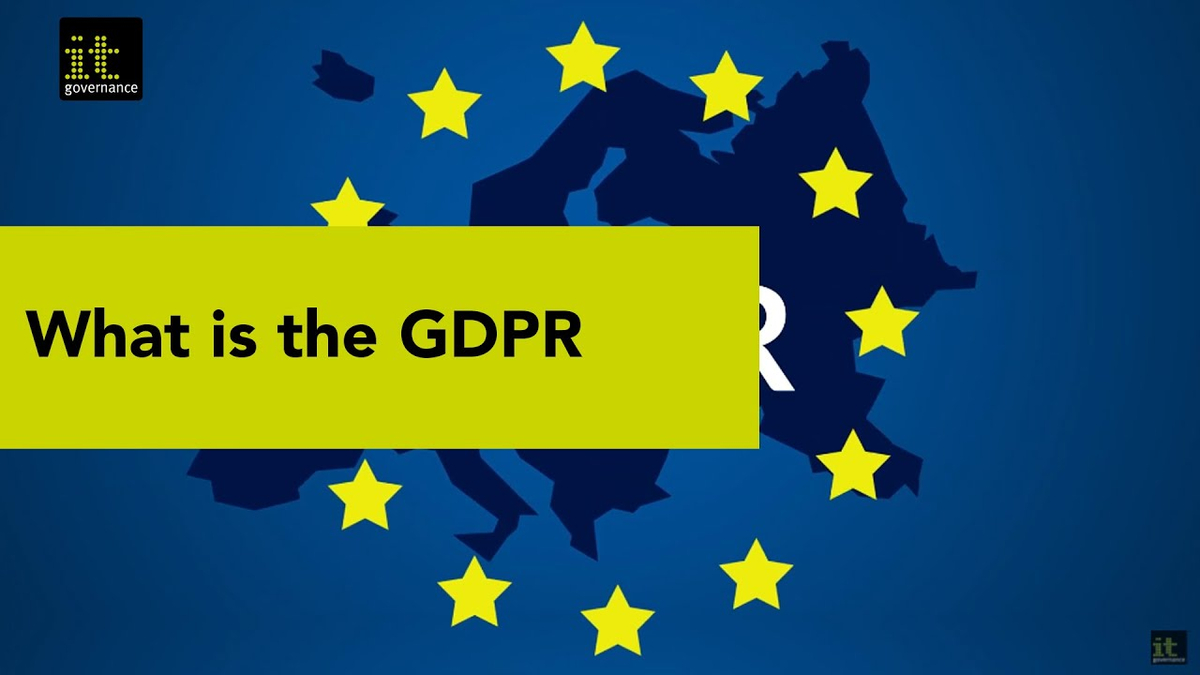
Adoption of the General Data Protection Regulation
Brussels, Belgium
Global Trade
Technology
3 min read
Updated By: History Editorial Network (HEN)
Published:
The EU general data protection regulation (GDPR) was adopted aiming to enhance data privacy and security for all individuals within the European Union (EU). The regulation was developed to address concerns regarding data protection in the digital age, providing a comprehensive framework for organizations handling personal data. GDPR impacts businesses worldwide that offer services to EU residents, mandating strict guidelines for data collection, processing, and storage.
Under the GDPR, individuals have greater control over their personal data, including the right to access, correct, and erase their information. Organizations are required to obtain explicit consent before collecting data, and must notify authorities of data breaches within 72 hours. Non-compliance can result in hefty fines, compelling companies to prioritize data protection measures.
With GDPR enforcement, data privacy has become a top priority for businesses, prompting them to review and strengthen their data management practices. The regulation has led to increased transparency and accountability in the handling of personal data, fostering a culture of trust between companies and consumers.
#GDPR #DataProtection #EURegulation #DataPrivacy #Compliance #DataSecurity
Explore the Life Moments of
 AI Twin