The Fall of the Iron Curtain in Eastern Europe
Brussels, Belgium
Political
Global Trade
3 min read
Updated By: History Editorial Network (HEN)
Published:
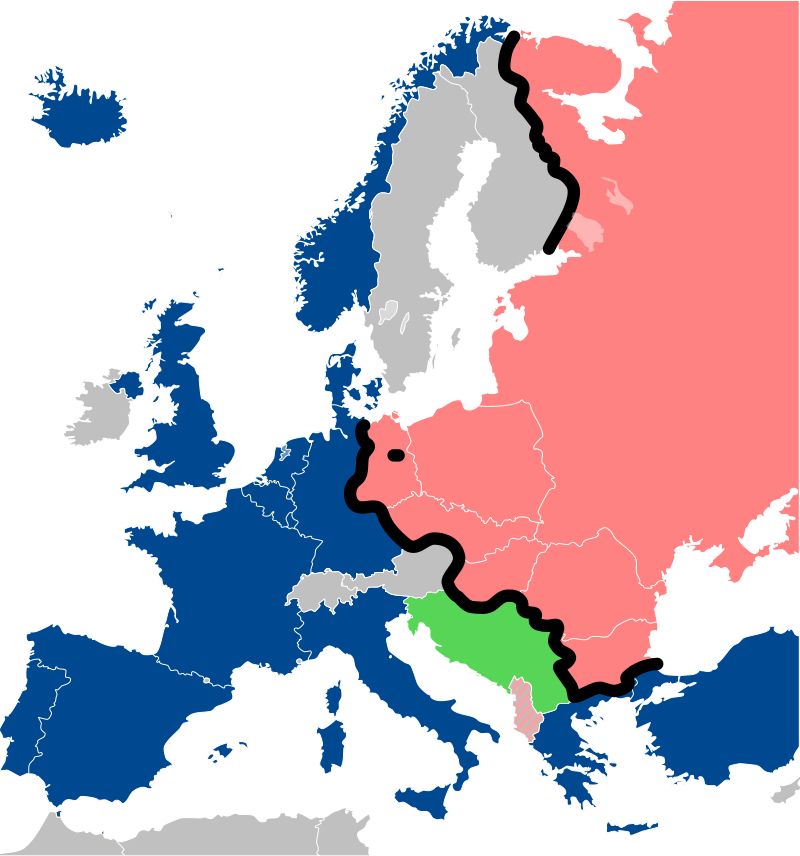
The fall of the Iron Curtain in Eastern Europe marked the collapse of communist regimes and the beginning of a new era of freedom and democracy. This watershed moment was the result of years of political and social unrest, as well as the weakening of the Soviet Union's grip on its satellite states. The peaceful revolutions in countries such as Poland, Hungary, and Czechoslovakia led to the dismantling of physical and ideological barriers that had divided the continent for decades.
The impact of the fall of the Iron Curtain was profound, reshaping the political landscape of Europe and paving the way for the eventual reunification of East and West Germany. It also played a crucial role in the expansion of the European Union, as former Eastern Bloc countries sought to integrate with their Western neighbors and embrace democratic values and market economies.
The events of the fall of the Iron Curtain in Eastern Europe are a testament to the power of people to bring about change through nonviolent means. They symbolize the triumph of freedom over oppression and the enduring desire for unity and cooperation among European nations as they strive towards a shared future of peace and prosperity.
#IronCurtainFall #EuropeanIntegration #DemocraticRevolution
Explore the Life Moments of
 AI Twin