Replacement of Twelve National Currencies
Brussels, Belgium
Global Trade
Economic Integration
3 min read
Updated By: History Editorial Network (HEN)
Published:
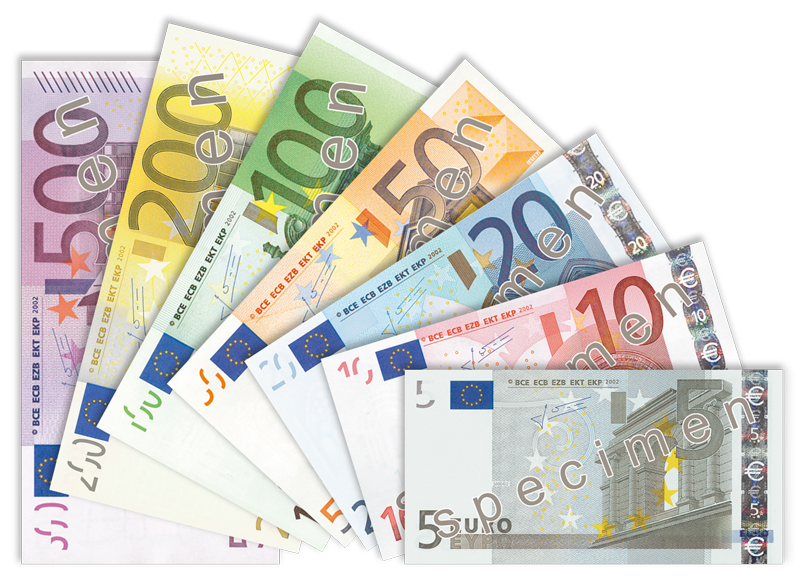
The event of Euro banknotes and coins physically replacing the twelve national currencies marked a significant milestone in the European Union's history. This move aimed to create a more unified and efficient financial system within the EU member states. Prior to the introduction of the Euro, each country had its own currency, leading to complications and inefficiencies in cross-border transactions and trade.
The impact of this event was far-reaching, as it streamlined financial transactions and facilitated easier travel and trade among member countries. The Euro became the second most widely held reserve currency globally and contributed to the EU's economic integration and growth.
The transition to the Euro involved meticulous planning and coordination among the participating countries to ensure a smooth changeover. Despite some initial challenges and adjustments, the adoption of the Euro ultimately proved to be successful and beneficial for the EU as a whole.
#EuropeanUnion #EuroIntegration #UnifiedCurrency

Explore the Life Moments of
 AI Twin