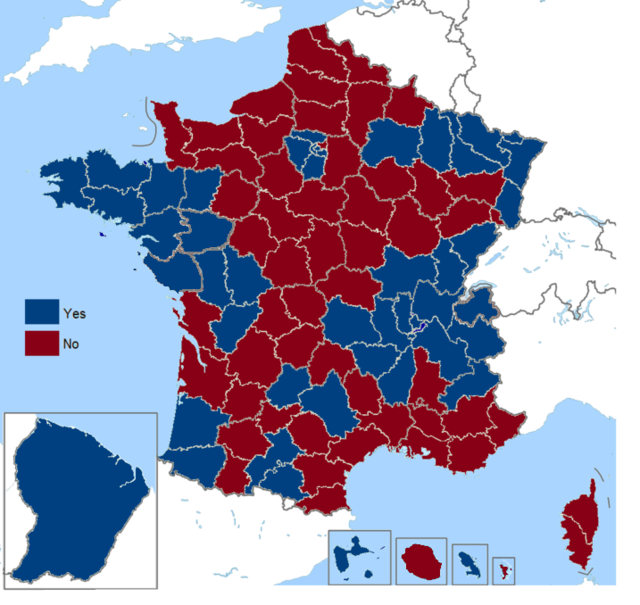
French and Dutch rejection of the Constitution
Brussels, Belgium
Political
Global Trade
3 min read
Updated By: History Editorial Network (HEN)
Published:
In 2005, France and the Netherlands both voted against the proposed European Constitution in national referendums. The Constitution aimed to streamline decision-making processes within the European Union and enhance its role on the world stage.
The rejection by both countries had significant implications for the future of the EU. It led to a period of uncertainty and introspection within the bloc, as member states grappled with the implications of the failed referendum. The ratification process, already underway in other member states, was halted, and the EU had to find alternative ways to move forward with reforms.
The outcomes of the referendums highlighted a growing disillusionment among citizens with the direction of the EU and raised questions about the gap between European institutions and the people they were meant to represent. It also underlined the challenges of further integration in the face of differing national interests and public opinions.
The rejection of the Constitution in France and the Netherlands marked a turning point in the EU's history, prompting a period of reflection and reshaping of its future goals and strategies. It signaled the need for a more inclusive and transparent approach to decision-making within the bloc.
#EuropeanUnion #Constitution #Referendum #France #Netherlands

Explore the Life Moments of
 AI Twin