Barbados Treaty of Oistins: Religious Tolerance and Colonial Autonomy in Early Settlement
Barbados
Political
5 min read
Updated By: History Editorial Network (HEN)
Published:
Updated:
In the early colonial period, the island of Barbados played a crucial role in the Atlantic economy, primarily through the production of sugar by a workforce comprising predominantly of enslaved Africans. Tensions ran high between the English Crown and the local colonial governance, leading to significant disputes over political and religious authority.
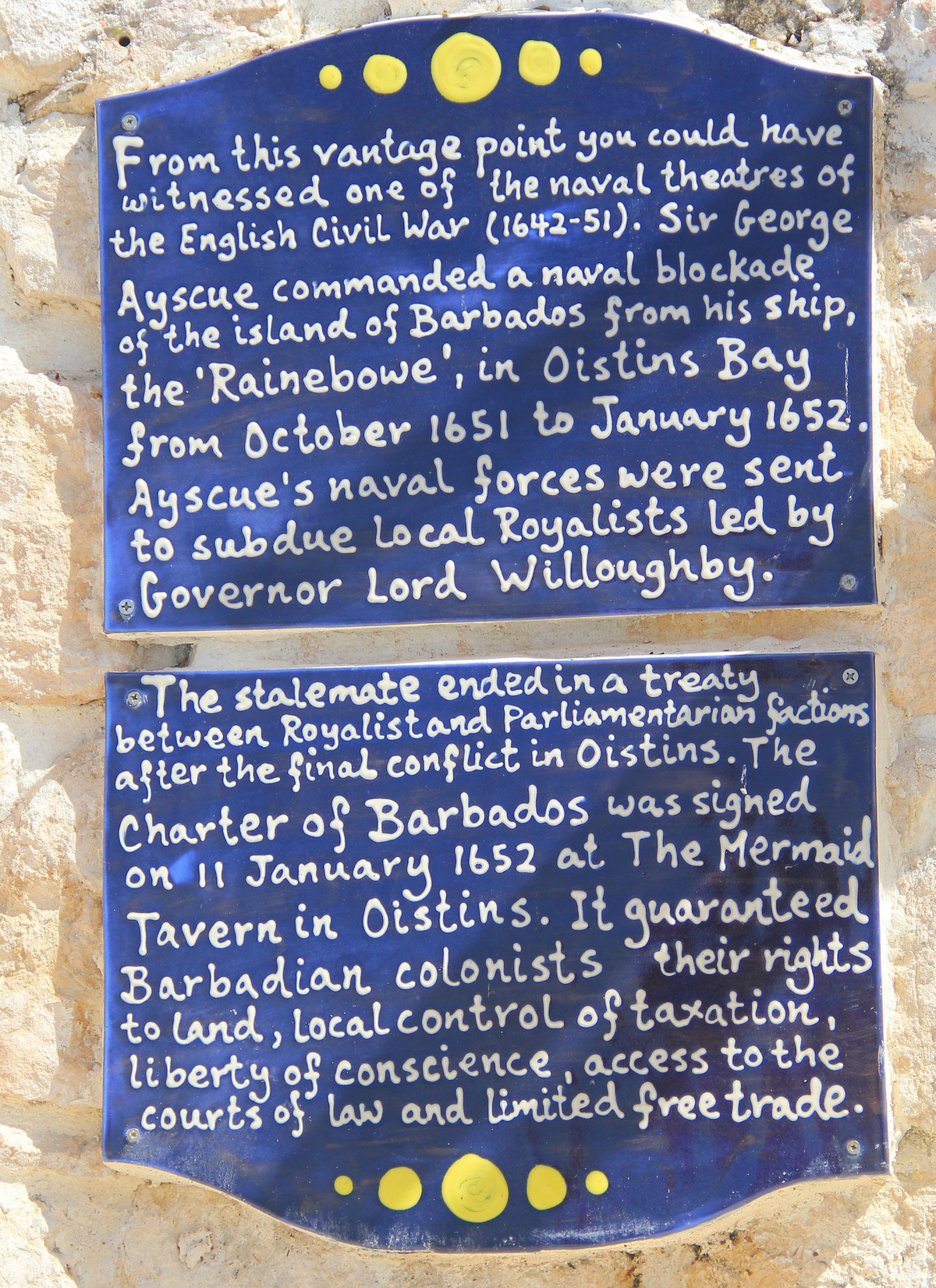
Amidst these tensions, the Treaty of Oistins, also known as the Barbados Charter, was signed in the settlement of Oistins. This treaty marked an agreement between the forces loyal to the English Commonwealth government and the local planters. The documents confirmed the authority of the Barbados Assembly, a legislative body of local planters and influential figures on the island. This acknowledgment was significant because it recognized the island's self-governance, setting a precedent for colonial legislative autonomy within the British Empire.
One of the most critical aspects of the treaty was the provision granting liberty of conscience. This clause allowed individuals on the island to practice their faiths without persecution, establishing an early form of religious tolerance in the English colonies. The liberty of conscience clause was particularly influential, given the religious upheavals and conflicts that characterized England during this period, including the tensions between Protestant and Catholic factions.
The treaty had substantial implications for the political structure of Barbados and set a pattern for power-sharing between colonial assemblies and the Crown that would echo throughout the British Empire. It highlighted the growing power and influence of colonial assemblies and their role in local governance, laying the groundwork for future colonial resistance to Imperial control.
Furthermore, the provision for religious freedom was a step towards a more inclusive society, allowing for a variety of religious practices and contributing to the cultural and social dynamics of the colony.
#MoofLife #ColonialHistory #BarbadosCharter #SelfGovernance #ReligiousTolerance
Primary Reference
BARBADOS
Explore the Life Moments of
 AI Twin