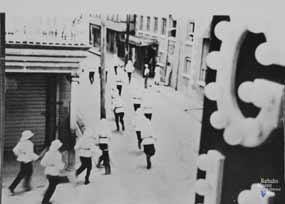
Bridgetown Riots
Barbados

Political
Economic Downturn
4 min read
Updated By: History Editorial Network (HEN)
Published:
Updated:
In the first half of the 20th century, Bridgetown experienced a period of civil unrest known as the riots. The unrest was primarily driven by severe economic distress, systemic inequalities, and widespread dissatisfaction among the working class in Barbados. Laborers endured poor working conditions and low wages, while the colonial administration was perceived as being indifferent to their plight.
During this time, economic hardships were exacerbated by high unemployment rates and stagnant wages. The socio-economic instability sparked public outcry, leading to mass protests. These demonstrations were initially peaceful, but tensions escalated, resulting in confrontations between protestors and law enforcement. The clashes led to property damage and disruptions in daily activities.
Several injuries were reported, and there were isolated incidents of fatalities during these riots. The turmoil underscored the need for substantial socioeconomic reforms to address the grievances of the working population. It also highlighted the urgency for the colonial government to reconsider its policies and engage more constructively with the local populace to prevent future incidents.
The aftermath of the riots saw a concerted effort towards reform. The colonial government implemented measures to improve labor conditions and address the socio-economic disparities. The riots served as a pivotal moment in the labor movement in Barbados, setting the stage for future political and social changes.
#LaborRights #BarbadosHistory #EconomicReform #MoofLife
Explore the Life Moments of
 AI Twin