
Kenya

The Cradle of Humankind
About
#Safari
#Kenya
#i
#MagicalKenya
Life Classification
Country
Life ID
EL5269167562059
Verified Name
kenya
Life Type
Entity Life
Life Editor(s)
History Editorial Network (HEN)
Life Privacy
Public
Subscription
Elite
Created On
2024-08-01
Updated On
2025-12-18
Connect
Related Lives
Ottoman Empire
A global superpower for over 600 years


Gregorian calendar
The New Style calendar

Roman Empire
Imperium Romanum

Mauritius
Island Rythms

President of the Italian Republic
Head of State

Burundi
The Land of a Thousand Hills

Vietnam
Land of the ascending dragon.

2025
President William Ruto has announced the lifting of the long-standing logging ban in Kenya’s Mau Forest, a decision that has generated significant public debate. The Mau Forest Complex is the country’s largest water catchment area and plays a critical role in regulating climate, supporting biodiversity, and sustaining major rivers that supply water to millions of people in Kenya and neighboring countries. The logging ban, introduced by previous administrations, was intended to curb deforestation and environmental degradation caused by illegal logging and human settlement. President Ruto stated that the decision to lift the ban would allow controlled and regulated harvesting, emphasizing that it would be carried out under strict government supervision to balance environmental protection with economic needs.
The move has important environmental, economic, and political implications. Supporters argue that regulated logging can create jobs, generate revenue, and reduce illegal activities by bringing forest use under formal management. They also note that communities living near the forest depend on forest-related livelihoods and should benefit legally from its resources. Critics, however, warn that lifting the ban risks accelerating deforestation, threatening water security, wildlife habitats, and Kenya’s climate commitments. Environmental groups have called for transparency, strong enforcement, and independent monitoring to ensure sustainability. The decision highlights the broader challenge facing governments in balancing conservation with development. Overall, President Ruto’s action marks a significant shift in forest policy, placing renewed focus on governance, accountability, and sustainable natural resource management.
View details2024
During a period of intense rainfall, a catastrophic event unfolded near Mai Mahiu, Kenya, when a railway embankment failed, leading to dire consequences. The calamity resulted in the loss of 50 lives and occurred amidst widespread flooding that afflicted both Kenya and neighboring Tanzania. These extreme weather conditions exacerbated existing infrastructural vulnerabilities, leading to severe disruptions and devastation.
The embankment collapse happened as floodwaters surged, overwhelming the structural integrity of the railway system. The deluge not only caused the embankment to give way but also carried debris and sediment, compounding the disaster. Eyewitnesses reported that the sudden breach swept away sections of the railway, making rescue operations challenging and delaying emergency response times.
The wider flooding across East Africa was attributed to unseasonably heavy rains associated with climatic anomalies. In Kenya, several regions faced extensive flooding, displacing thousands of residents, damaging crops, and disrupting daily life. The infrastructural damage extended beyond the railway, affecting roads and bridges, thereby isolating communities and hindering aid delivery.
In Tanzania, the effects of flooding were similarly grave, with a significant number of homes and farmlands submerged. Emergency services in both countries were stretched thin, striving to provide relief and basic necessities to those displaced by the floods. Humanitarian organizations launched appeals to assist the affected populations, emphasizing the need for immediate aid and long-term infrastructure investment to mitigate future disasters.
According to local authorities and disaster management agencies, the floods and subsequent embankment failure were part of a broader pattern of extreme weather events linked to climate change. This event underscored the urgent need for robust infrastructure capable of withstanding such natural calamities and effective disaster preparedness strategies.
National and international responses included commitments to more resilient infrastructure development and increased funding for climate adaptation measures. The tragedy near Mai Mahiu became a central reference point in discussions about the region's vulnerability to climate-induced disasters and the importance of proactive measures.
#KenyaFloods #DisasterResponse #ClimateChange #Infrastructure #MaiMahiu #MoofLife
View details2023
Leaders from across Africa gathered in Nairobi for Africa’s first climate summit. The event aimed to address the pressing issues of climate change and its impact on the continent, highlighting the urgency of finding sustainable solutions. With a focus on innovation and collaboration, the summit brought together government officials, environmental experts, and activists to discuss strategies for mitigating the effects of climate change in Africa.
During the summit, discussions centered on the need for increased investment in renewable energy sources, the promotion of eco-friendly practices, and the importance of adapting to changing weather patterns. Participants emphasized the potential of green technologies in driving economic growth while preserving the environment for future generations. The summit also provided a platform for African countries to showcase their commitment to addressing climate change and showcase initiatives aimed at reducing carbon emissions and promoting sustainability.
Key outcomes of the summit included the establishment of a regional task force to monitor and evaluate progress on climate action, as well as the development of a framework for enhanced collaboration among African nations. The event served as a catalyst for future initiatives aimed at combating climate change in Africa, emphasizing the continent's determination to lead by example in the global fight against environmental degradation.
As the summit concluded, participants expressed optimism about the potential for Africa to emerge as a leader in climate resilience and sustainability. The event underscored the importance of united action in addressing climate change and highlighted the opportunity for African nations to drive meaningful change through collaboration and innovation.
#AfricaClimateSummit #Nairobi #Sustainability #ClimateAction #RenewableEnergy #Innovation
View detailsA landmark discovery was made at the National Museums of Kenya in Nairobi, revealing the earliest known evidence of cannibalism. Researchers examined a 1.45-million-year-old fossilized hominin leg bone that bore unmistakable cut marks made by stone tools.
This finding sheds new light on the behaviors of early human ancestors, challenging previous understanding of their dietary practices. The cut marks on the bone indicate that it was defleshed using sharp tools, suggesting that the individual may have been butchered for consumption. The presence of tool marks points to a level of sophistication in early hominin behavior previously unknown.
The significance of this discovery extends beyond anthropological research, offering insights into the social dynamics and nutritional habits of our ancient relatives. It underscores the harsh realities of survival in prehistoric times, where cannibalism may have been a strategy for obtaining essential nutrients or dealing with food scarcity.
By uncovering this evidence of cannibalism, scientists have opened up new avenues for exploring the complexities of early hominin societies and the challenges they faced. This discovery prompts a reevaluation of long-held assumptions about the dietary practices and cultural behaviors of our distant ancestors, inviting further study and analysis.
As this groundbreaking research continues to capture global attention, it serves as a reminder of the rich archaeological heritage found in Kenya and the invaluable contributions of the National Museums of Kenya to our understanding of human evolution.
#CannibalismDiscovery #EarlyHominins #NationalMuseumKenya #StoneToolMarks #AncientDietaryPractices
View details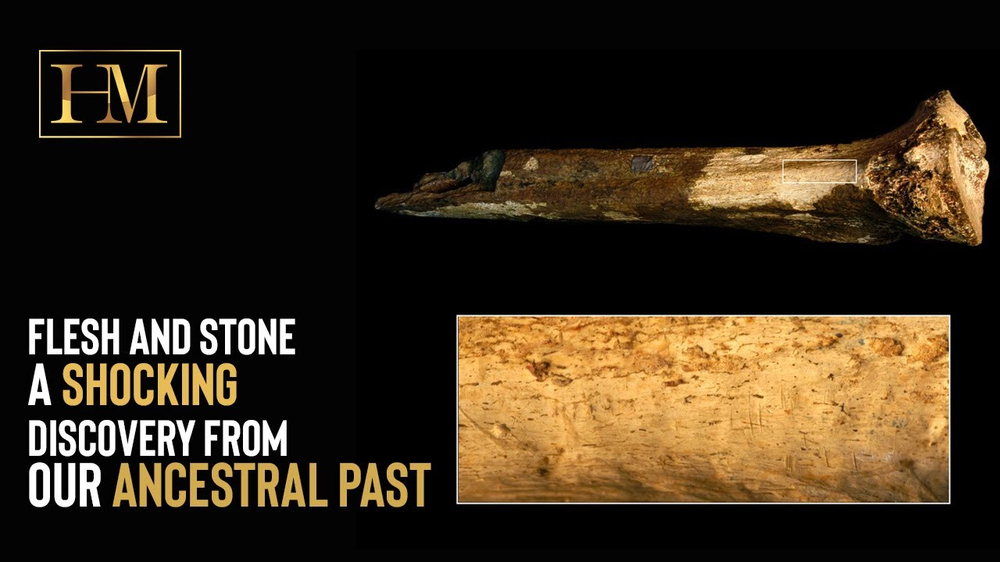
2022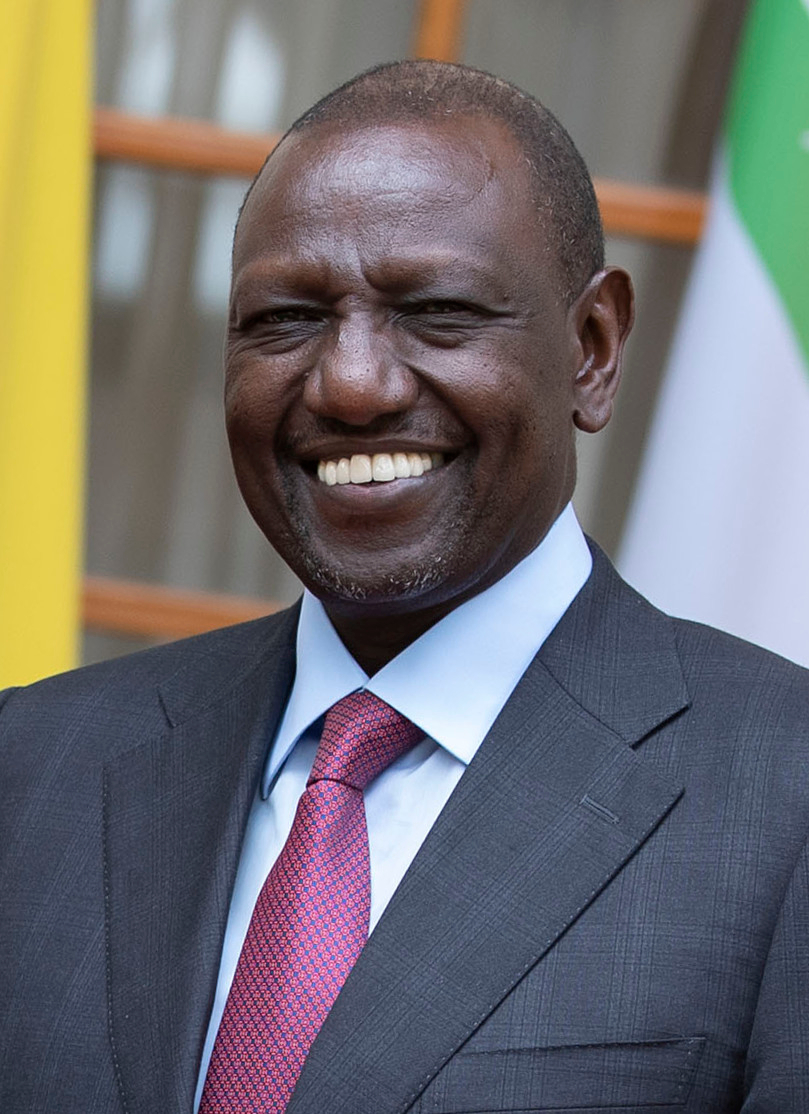
Deputy President William Ruto was declared the winner of the Kenyan Presidential election after securing a majority of votes. Ruto, representing the United Democratic Alliance party, emerged victorious in a hotly contested race against several other candidates. His win marked a significant milestone in Kenyan politics as he succeeded his former ally-turned-rival, President Uhuru Kenyatta.
The election results sparked mixed reactions across the country, with Ruto's supporters celebrating his victory while some opposing factions raised concerns about the electoral process. Despite these challenges, the election was largely peaceful, with minimal reports of violence or unrest.
As the newly elected President, Ruto faces the daunting task of addressing numerous challenges facing Kenya, including unemployment, corruption, and healthcare. His victory represents a shift in the country's political landscape, signaling potential changes in policies and priorities under his leadership.
Ruto's win was attributed to his grassroots campaign strategies, focusing on engaging directly with voters and addressing their concerns. His promises of economic reform and job creation resonated with many Kenyans, especially the youth and rural populations.
Moving forward, Ruto's administration is expected to face scrutiny from both local and international observers, who will closely monitor his governance and commitment to upholding democratic values and human rights.
Overall, Ruto's victory in the Kenyan Presidential election has set the stage for a new chapter in the country's political history, with implications that will shape the nation's future for years to come. #Kenya #PresidentialElection #WilliamRuto #UDAParty #PoliticalTransition
View details2021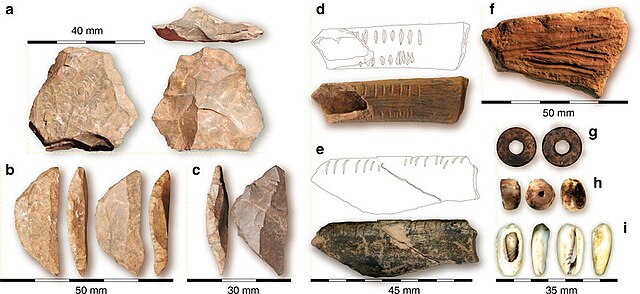
In Kenya, researchers discovered evidence of Africa's earliest burial in a cave. The remains of a three-year-old boy, dating back around 78,000 years, were found carefully laid to rest with his head on a pillow. The burial provides insights into the funeral practices of early humans in Africa.
The boy's body was surrounded by stone tools and red ocher, indicating a deliberate and ritualistic burial. This discovery challenges previous beliefs about the complexity of early human societies and their cultural practices. The find suggests that symbolic behavior, such as burial rituals, may have been present in African societies earlier than previously thought.
The excavation of this burial site sheds light on the funerary practices and social dynamics of early humans in Africa. It provides valuable information about the cultural beliefs and customs of our ancient ancestors, showcasing the early development of human societies on the continent. The careful arrangement of the boy's body and the items found in the grave suggest a reverence for the deceased individual, highlighting the significance of death and the afterlife in early African societies.
This discovery marks a significant advancement in our understanding of early human behavior and cultural practices in Africa. It underscores the importance of archeological research in unraveling the mysteries of our past and tracing the origins of human culture. By studying the burial practices of early Africans, we can gain valuable insights into the social, religious, and cultural aspects of ancient societies on the continent.
#KenyaHistory #EarlyHumanBurial #AfricanArcheology #CulturalHeritage
View details2019
Kenyan long-distance runner Eliud Kipchoge made history by becoming the first person to complete a marathon in under 2 hours. The achievement took place in Vienna, Austria, where Kipchoge ran a time of 1 hour, 59 minutes, and 40 seconds. The event, known as the INEOS 1:59 Challenge, was meticulously planned to optimize Kipchoge's performance, from the course layout to the pacing strategy.
Kipchoge, already an Olympic champion and world record holder in the marathon, had been preparing for this moment for years. His dedication to pushing the limits of human potential had inspired countless individuals around the world. The accomplishment marked a new milestone in the sport of long-distance running, showcasing the remarkable feats that can be achieved through hard work, perseverance, and innovation.
The impact of Kipchoge's achievement extended far beyond the world of athletics. His remarkable display of endurance and determination resonated with people from all walks of life, serving as a testament to the power of setting ambitious goals and striving for excellence. Kipchoge's unwavering focus and positive mindset were key factors in his success, demonstrating the importance of mindset in overcoming challenges.
As the first person to break the 2-hour barrier in the marathon, Kipchoge's feat will be remembered as a groundbreaking moment in the history of the sport. His record-breaking run set a new standard for elite distance runners and inspired a new generation of athletes to dream big and chase their own goals relentlessly. Kipchoge's achievement will forever be etched in the annals of sports history as a testament to the extraordinary capabilities of the human spirit.
#EliudKipchoge #Marathon #Inspiration #HistoryMade #Kenya
View details2015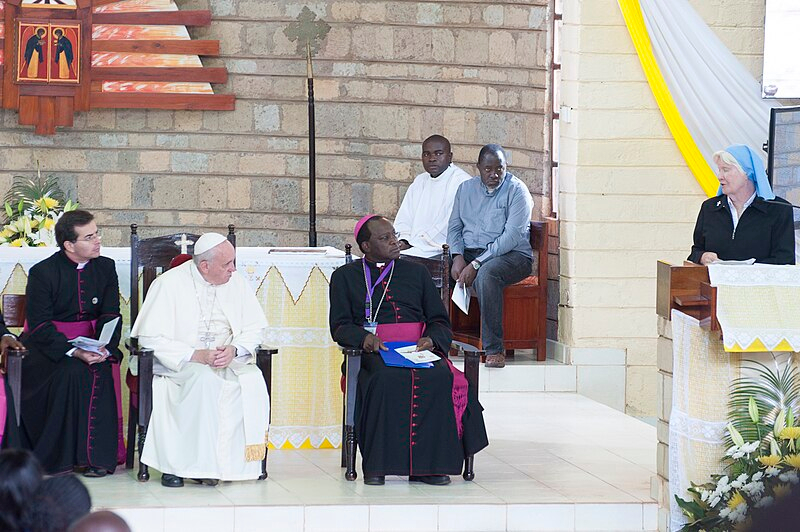
Pope Francis embarked on a trip to Africa, marking his first visit to the continent. During his tour, he visited Kenya, Uganda, and the Central African Republic, countries with substantial Catholic populations. The Pope's visit aimed to promote peace, reconciliation, and dialogue among different religious groups in the region.
In Kenya, Pope Francis addressed issues such as poverty, corruption, and environmental concerns. He also held meetings with political leaders and religious representatives to discuss ways to foster unity and cooperation. The Pope emphasized the importance of social justice and caring for the marginalized in society.
During his visit to Uganda, Pope Francis paid tribute to the martyrs of the country who had been killed for their Christian faith. He called for forgiveness and reconciliation, urging the people to work towards a peaceful coexistence despite religious differences.
In the Central African Republic, Pope Francis made a historic visit to a mosque in a Muslim neighborhood, promoting interfaith dialogue and understanding. He urged the people to reject violence and embrace peace and love. The Pope's visit to this conflict-ridden country was seen as a symbol of hope and unity.
Overall, Pope Francis's trip to Africa had a significant impact on the local communities, fostering a spirit of togetherness and tolerance among people of different faiths. His messages of peace and solidarity resonated with many, inspiring hope for a better future in the region.
#PopeFrancis #AfricaVisit #InterfaithDialogue #PeaceandUnity
View detailsUS President Barack Obama embarked on a 2-day visit to Kenya, marking a significant milestone as the first sitting US President to visit the country of his father's birth. The visit aimed to strengthen bilateral ties and address key issues such as security, trade, and investment.
Obama's visit generated immense excitement among Kenyans, who lined the streets waving American and Kenyan flags to catch a glimpse of the historic moment. The President's arrival at Jomo Kenyatta International Airport was met with a warm reception from government officials and dignitaries.
During his visit, President Obama held discussions with Kenyan President Uhuru Kenyatta, emphasizing the importance of good governance, human rights, and the fight against corruption. Economic partnerships and initiatives to boost trade and investment were also key topics of conversation.
In addition to political engagements, Obama took the opportunity to connect with his Kenyan roots by visiting his paternal family in Kogelo. The President's visit to the rural village was a deeply personal and emotional moment, as he interacted with relatives and paid tribute to his late father.
The impact of Obama's visit was felt on various levels, from a boost in Kenya's international profile to increased optimism among the population. The visit highlighted the strong bond between the two nations and opened doors for future collaborations and partnerships.
As President Obama concluded his visit and bid farewell to Kenya, the legacy of his historic trip continued to resonate. The visit served as a symbol of hope, unity, and progress, underscoring the enduring ties between the US and Kenya.
#ObamaInKenya #BilateralRelations #HistoricVisit #KenyanRoots #Unity
View details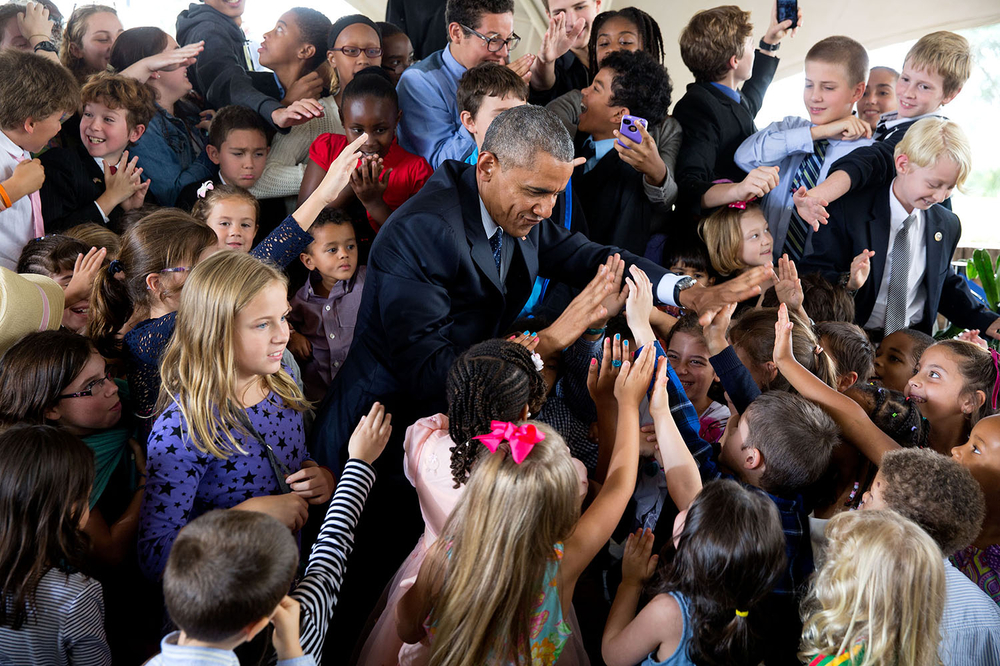
Garissa University College in Kenya was attacked by al-Shabaab militants, resulting in the tragic loss of 148 lives. The militants targeted the university, which was located in a region known for its vulnerability to such attacks due to its proximity to the Somalia-Kenya border.
The assault began in the early hours of the day when gunmen stormed the university campus, targeting students and faculty members. Many students were held hostage and used as human shields during the operation. The siege lasted for hours before Kenyan security forces were able to regain control of the situation. By the end of the attack, 148 people had lost their lives, with scores more injured.
The impact of the Garissa University College attack was profound, sending shockwaves through Kenya and the international community. It highlighted the persistent threat of terrorism in the region and raised concerns about the security measures in place to protect educational institutions. The attack also had significant repercussions on the affected families and the survivors, many of whom struggled to cope with the trauma and loss.
In the aftermath of the attack, there was a renewed emphasis on counterterrorism efforts in the region, with authorities vowing to prevent such tragedies from happening again. The Kenyan government also faced scrutiny over its response to the attack and its ability to address the underlying issues fueling extremism in the country.
The Garissa University College attack underscored the need for solidarity in the face of terrorism and the importance of international cooperation in combating extremist threats. It serves as a reminder of the ongoing challenges posed by terrorism and the resilience of communities in the wake of such tragedies.
#GarissaUniversityAttack #AlShabaab #KenyaTerrorism #GlobalSecurity
View details
2013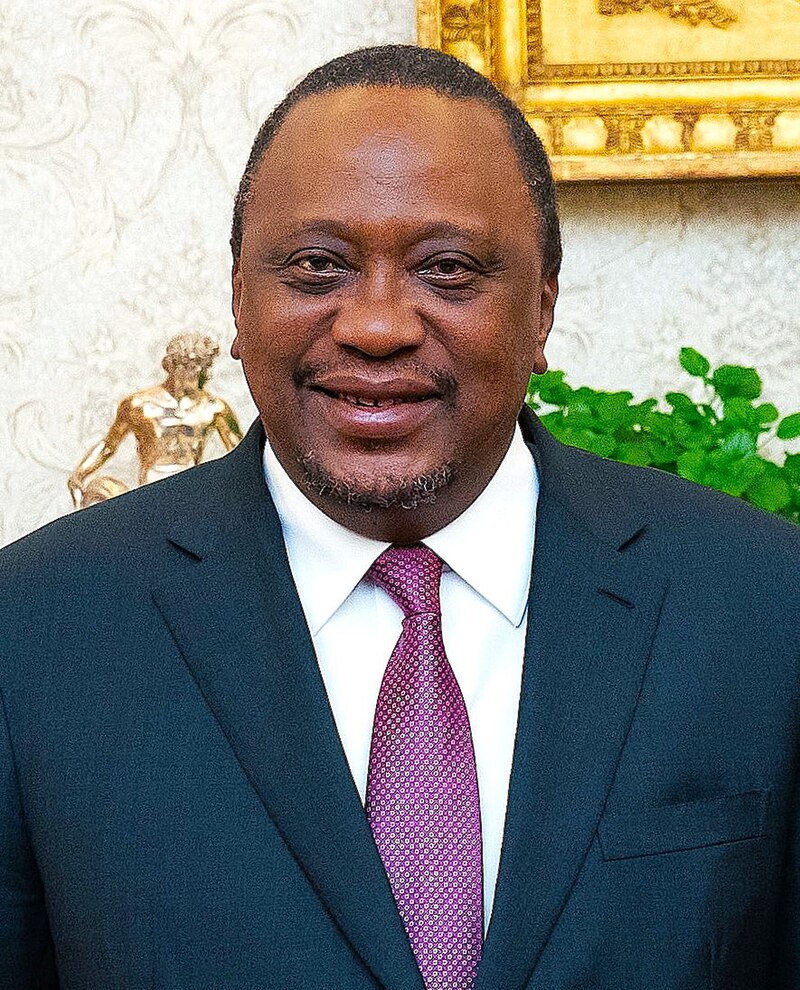
In a landmark ruling, Kenya’s Supreme Court affirmed Uhuru Kenyatta as the legitimate victor of the presidential election after a long and contentious legal battle. The election had been marred by allegations of irregularities, prompting opposition leader Raila Odinga to contest the results.
The Supreme Court’s decision came after a thorough review of evidence presented by both parties, including ballot count discrepancies and technical issues with the voting process. Despite Odinga’s claims of electoral fraud, the court found no evidence substantial enough to overturn the election results.
Kenyatta, the son of Kenya’s founding president, emerged as the winner with a slim margin of victory. His re-election marked a turning point in the country’s political landscape and solidified his position as the leader of East Africa’s largest economy.
The ruling brought a sense of closure to a tense and polarizing election season, allowing the country to move forward with a renewed focus on unity and development. Kenyatta’s leadership faced both challenges and opportunities as he sought to address issues of corruption, ethnic divisions, and economic growth.
The Supreme Court’s declaration of Kenyatta as the rightful winner reverberated across the region, sending a strong message about the importance of upholding democratic processes and the rule of law. It underscored the role of independent judicial institutions in safeguarding electoral integrity and resolving disputes in a peaceful and transparent manner.
As Kenya looked ahead to a new chapter under Kenyatta’s leadership, the ruling served as a reminder of the country’s commitment to democracy and stability. It signaled a fresh start for the nation and set the stage for continued progress and development in the years to come. #Kenya #SupremeCourt #PresidentialElection #Democracy
View details2012
A massive fire erupted on Mount Kenya, engulfing thousands of hectares of ancient forests and posing a grave threat to the diverse wildlife inhabiting the area. The fire spread rapidly due to dry weather conditions and strong winds, creating a challenging situation for firefighters.
The ancient forests on Mount Kenya are critical ecosystems, home to a wide range of plant and animal species, many of which are unique to the region. The fire not only caused extensive damage to the vegetation but also put the lives of various wildlife species at risk, including endangered species such as the mountain bongo and the African elephant.
Efforts to contain the fire were hampered by the rugged terrain of the mountain, making it difficult for firefighters to access the affected areas. The Kenya Wildlife Service, along with local volunteers, worked tirelessly to extinguish the flames and protect the wildlife from further harm. Despite their best efforts, the fire continued to spread, leaving a trail of destruction in its wake.
The impact of the fire on Mount Kenya was devastating, with vast tracts of ancient forests reduced to ashes. The loss of habitat for wildlife and the destruction of plant species have long-lasting consequences for the biodiversity of the region. The aftermath of the fire also raised concerns about the long-term ecological effects and the need for enhanced conservation efforts to prevent such disasters in the future.
The event served as a stark reminder of the fragile balance between human activities and the environment, highlighting the importance of sustainable practices and conservation efforts to protect our natural heritage. #MountKenya #Wildfire #ConservationEfforts
View details2009
The tragedy in Molo, Kenya, unfolded when an oil spill ignited a massive fire, resulting in the fatalities of at least 113 individuals and leaving over 200 others with varying degrees of injuries. The incident occurred during a fuel tanker's overturn, causing a rush of locals trying to collect the spilled oil. The ignition source remains unclear, amplifying the chaos and devastation caused by the blaze.
The aftermath saw emergency services and volunteers rushing to the scene to rescue survivors and provide medical care. The injured were swiftly transported to nearby hospitals for treatment, with many in critical condition due to severe burns and smoke inhalation. The community in Molo was left reeling from the shock of the catastrophic event, as families grieved the loss of loved ones and awaited news on the injured.
The oil spillage ignition in Molo uncovered larger issues concerning safety regulations, emergency response preparedness, and public awareness about the dangers of fuel-related incidents. The disaster prompted calls for stricter enforcement of transportation guidelines and safety protocols to prevent similar incidents from occurring in the future.
The resilience and solidarity of the Kenyan people were on full display as they came together to support the victims and their families. Donations poured in to assist with medical bills and funeral expenses, while authorities worked to investigate the root causes of the tragedy and implement measures to prevent its recurrence.
#MoloTragedy #KenyaFire #OilSpillageDisaster
View details2004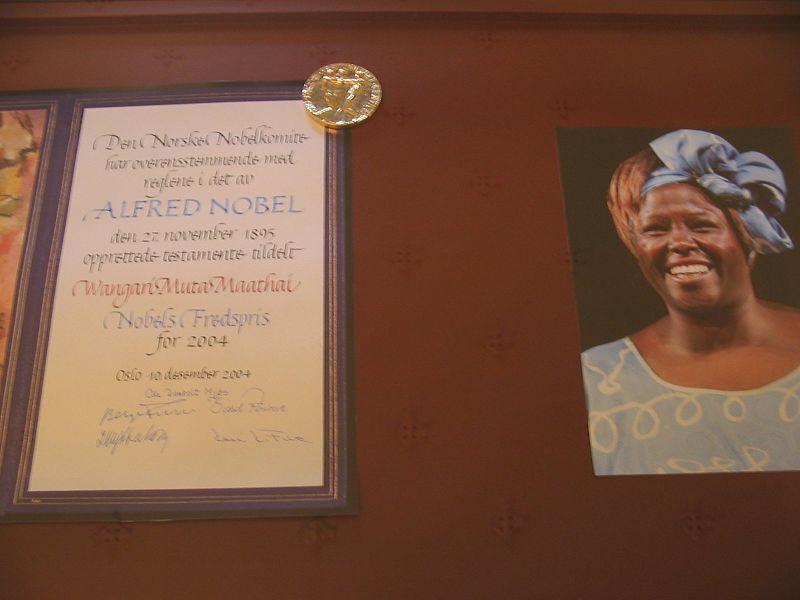
Kenyan environmentalist, activist, and political figure Wangari Maathai was awarded the Nobel Peace Prize for her efforts in promoting sustainable development, democracy, and peace. Maathai's journey began with her education in the United States, where she earned a Ph.D. in biology. Upon returning to Kenya, she noticed the rapid deforestation and environmental degradation taking place in her country. This led her to found the Green Belt Movement in 1977, an organization focused on tree planting, environmental conservation, and women's rights.
Maathai's work with the Green Belt Movement not only helped to combat deforestation and soil erosion but also empowered rural women by providing them with income opportunities and a voice in their communities. Her activism did not go unnoticed, and despite facing opposition from the government at times, Maathai continued her efforts to raise awareness about environmental issues and the importance of democracy and peace.
Receiving the Nobel Peace Prize brought international recognition to Maathai's work and the causes she championed. It shed light on the interconnectedness of environmental conservation, democracy, and peace, and the importance of grassroots movements in creating positive change. Maathai's win was not just a personal victory but a triumph for the environmental movement in Kenya and around the world.
The Nobel Peace Prize served as a platform for Maathai to continue advocating for sustainable development, women's rights, and environmental conservation on a global scale. Her legacy lives on through the countless trees planted by the Green Belt Movement, the policies influenced by her advocacy, and the individuals inspired by her courage and determination.
#WangariMaathai #NobelPeacePrize #SustainableDevelopment #Democracy #Peace #GreenBeltMovement #Kenya #EnvironmentalActivism
View details2002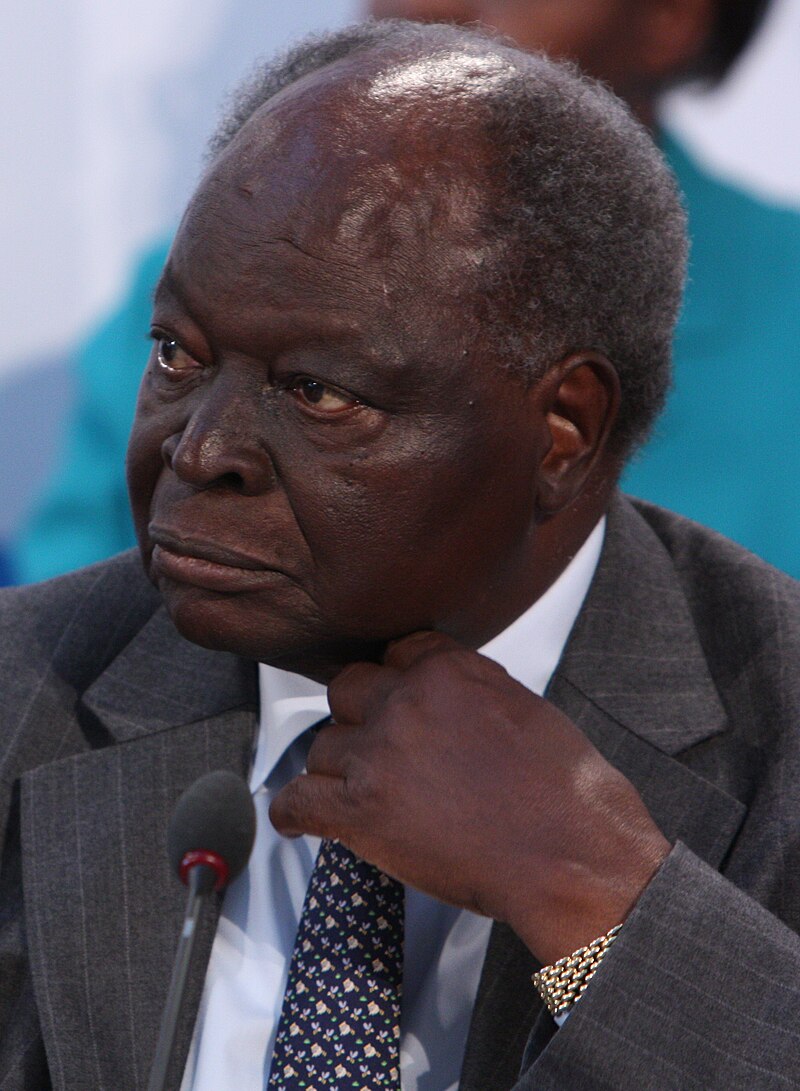
In a historic moment for Kenya, Mwai Kibaki was inaugurated as the third President after defeating Uhuru Kenyatta in the presidential election. Kibaki's victory marked the end of Daniel arap Moi's 24-year rule. The people of Kenya had high hopes for Kibaki's presidency, expecting him to bring about positive change and development to the country which had been plagued by corruption and economic struggles.
Kibaki's inauguration ceremony was attended by thousands of Kenyans, who celebrated the peaceful transition of power. His speech focused on uniting the country and promoting reconciliation among different ethnic groups. He emphasized the need for transparency, accountability, and good governance in order to move Kenya forward.
During his presidency, Kibaki implemented various reforms aimed at improving the economy, infrastructure, and social services in Kenya. His administration made progress in key sectors such as education, healthcare, and agriculture. Infrastructure projects such as roads and railways were also prioritized to boost economic growth.
Kibaki's presidency was not without challenges, as he faced criticism for his handling of corruption scandals and ethnic tensions. However, he was praised for his efforts in promoting peace and stability in the country.
Overall, Mwai Kibaki's inauguration as the third President of Kenya marked a significant moment in the country's history. His leadership brought about positive changes and laid the foundation for Kenya's development in the years to come. #MwaiKibaki #KenyaPresident #InaugurationDay
View detailsIn Kenya, the General Election marked a significant political shift as the National Rainbow Coalition, led by Mwai Kibaki, emerged victorious, putting an end to the 39-year rule of the Kenya African National Union. The election not only brought about a change in leadership but also symbolized hope for a more inclusive and democratic political landscape in the country.
The Kenya African National Union, under the leadership of Daniel arap Moi, had been in power since the country gained independence. However, dissatisfaction with the government's policies, allegations of corruption, and a desire for change had been brewing among the Kenyan population. Mwai Kibaki, a seasoned politician who had previously served as vice president, garnered widespread support by promising to tackle corruption, improve the economy, and implement political reforms.
The National Rainbow Coalition's victory in the election marked a turning point in Kenya's political history. The peaceful transition of power from the long-standing ruling party to the opposition demonstrated the country's commitment to democracy. Mwai Kibaki's inauguration heralded a new era of governance characterized by transparency, accountability, and inclusivity.
The impact of the election was not only felt within Kenya but also resonated across the African continent and beyond. It served as a beacon of hope for other nations grappling with authoritarian regimes and entrenched political dynasties. The successful transition of power in Kenya inspired aspirations for democratic change in other parts of the world.
Overall, the National Rainbow Coalition's victory in the General Election reshaped Kenya's political landscape, ushering in a period of political transformation and renewal. The event underscored the power of democracy and the will of the people to institute change through peaceful and democratic means.
#Kenya #Election #PoliticalChange #Democracy
View details2000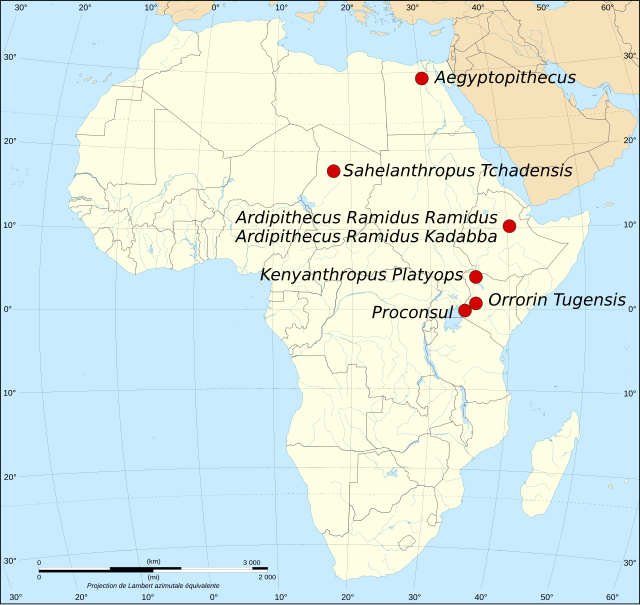
In the Tugen Hills, Kenya, a team led by Brigitte Senut and Martin Pickford made a groundbreaking discovery. They unearthed Orrorin tugenensis, an ancient hominid species that roamed the Earth around 6 million years ago. This finding shed light on the early stages of human evolution, challenging previous notions and providing valuable insights into our ancestors.
Orrorin tugenensis is considered one of the earliest species on the human family tree, offering clues about the bipedalism that eventually became a defining characteristic of humans. The discovery of this ancient hominid in the Kenyan region added to the rich tapestry of archaeological finds in the area, reinforcing its significance in the study of human evolution.
The team's discovery of Orrorin tugenensis opened up new avenues for researchers and scientists to delve deeper into the complexities of our evolutionary history. By piecing together the puzzle of human origins, they contributed to a better understanding of how early hominids lived, adapted, and eventually evolved into the species we are today.
This finding not only expanded the timeline of human evolution but also highlighted the importance of continuous exploration and discovery in the field of paleoanthropology. The implications of uncovering such a significant species reverberated throughout the scientific community, sparking further research and discussions about our shared ancestry.
The discovery of Orrorin tugenensis in the Tugen Hills stands as a testament to the rich history of human evolution in Kenya and the invaluable contributions of dedicated researchers like Brigitte Senut and Martin Pickford. Their work serves as a reminder of the intricate journey that led to the development of modern humans, inspiring future generations to continue unraveling the mysteries of our origins. #HumanEvolution #AncientHominids #KenyanDiscovery
View detailsOff the coast of Ivory Coast, Kenya Airways Flight 431, with 179 people on board, crashed into the Atlantic Ocean. The flight was en route from Abidjan, Ivory Coast, to Nairobi, Kenya. The crash resulted in the deaths of 169 passengers and crew members, with only 10 survivors rescued from the wreckage.
The aircraft went down shortly after takeoff, plunging into the waters off the coast, leaving debris scattered across the ocean's surface. Search and rescue teams were deployed to locate and retrieve the victims and recover the airplane's black box to investigate the cause of the crash. The tragic incident sent shockwaves through Kenya and the global aviation community, raising concerns about flight safety and security measures.
The crash of Kenya Airways Flight 431 had a profound impact on the families and loved ones of the victims, as well as on the airline and the aviation industry as a whole. The loss of lives and the sudden disappearance of the plane left many questions unanswered and highlighted the risks associated with air travel.
In the aftermath of the crash, investigations were launched to determine the factors that led to the tragedy. Issues such as mechanical failure, pilot error, and adverse weather conditions were examined to prevent similar incidents in the future. The findings of the investigation would be instrumental in improving aviation safety standards and procedures.
The memory of Kenya Airways Flight 431 and the lives lost in the crash serve as a reminder of the dangers inherent in air travel and the importance of upholding stringent safety protocols. The incident sparked a renewed emphasis on ensuring passenger safety and enhancing security measures in the aviation industry, aiming to prevent such tragedies from occurring again. #KenyaAirways #AviationSafety #AirlineTragedy
View details
1991
In the early 1990s, Kenya experienced a significant shift in its political landscape with the start of multi-party politics. This break from the single-party system that had been in place since independence marked a crucial turning point in the country's history.
The background to this shift can be traced back to growing calls for political reform and greater democracy in the country. Pressure from both internal and external sources, including civil society groups and the international community, pushed for the opening up of political space in Kenya.
Under mounting pressure, then President Daniel arap Moi reluctantly agreed to repeal laws that restricted the formation of political parties. This decision paved the way for the registration of multiple political parties, allowing for a more diverse political landscape.
The impact of the start of multi-party politics in Kenya was profound. It opened up avenues for increased political participation and representation, giving voice to a wider range of opinions and ideologies. It also sparked renewed interest in politics among the populace, leading to greater engagement in the democratic process.
The introduction of multi-party politics also brought about challenges, including increased political competition and tensions. However, it ultimately laid the foundation for a more pluralistic and inclusive political system in Kenya.
To this day, the legacy of the start of multi-party politics in Kenya continues to shape the country's political landscape, with multiple parties vying for power and representing a diverse array of interests.
#Kenya #MultiPartyPolitics #PoliticalReform #Democracy
View details1974
In 1974, Kenya achieved a milestone with the introduction of free primary education. This initiative was a significant step towards addressing the issue of access to education in the country. Prior to this policy, many children, especially those from low-income families, were unable to attend school due to the financial burden placed on parents to pay for tuition fees. The introduction of free primary education aimed to eliminate this barrier and ensure that all children had the opportunity to receive a basic education.
The impact of the introduction of free primary education in Kenya was profound. It led to a significant increase in the enrollment of children in primary schools across the country. This resulted in more children, including those from marginalized communities, gaining access to education and the opportunity to build a better future for themselves. The policy also contributed to a more literate population, which in turn has had positive effects on various aspects of Kenyan society, including economic development and social progress.
The introduction of free primary education in Kenya was a strategic move towards achieving the government's goal of promoting education for all. By removing the financial barrier that prevented many children from attending school, the policy helped to promote inclusivity and equal opportunity in the education system. It also set a precedent for future education policies and initiatives aimed at improving access to quality education for all Kenyan children.
Overall, the introduction of free primary education in Kenya marked a significant turning point in the country's education system. It opened doors for thousands of children who would have otherwise been excluded from the formal education system. This policy continues to have a lasting impact on the lives of many individuals and the development of the nation as a whole.
#Kenya #FreePrimaryEducation #EducationForAll
View details1965
In 1966, Kenya introduced its first national currency, replacing the East African Currency Board notes that had been in circulation. This move marked the country's newfound economic independence following its independence from British colonial rule. The introduction of the Kenyan currency, with images of Jomo Kenyatta, the first President of Kenya, represented a significant step towards asserting the nation's identity and sovereignty.
The new currency not only reflected Kenya's national pride but also aimed to streamline the country's monetary system and foster economic development. With the issuance of its own currency, Kenya gained more control over its monetary policies, paving the way for greater financial stability and growth.
The transition to a national currency had a profound impact on the daily lives of Kenyan citizens. It instilled a sense of patriotism and unity, as people across the country embraced the new notes and coins as symbols of their nation. The widespread acceptance of the Kenyan currency facilitated domestic trade and transactions, fueling economic activities and commerce.
Moreover, the introduction of the Kenyan currency bolstered the country's international standing, as it strengthened Kenya's economic sovereignty and autonomy. The distinctive design of the currency highlighted Kenya's rich cultural heritage and natural diversity, showcasing the country's unique identity to the world.
Overall, the introduction of the first Kenyan currency in 1966 was a pivotal moment in the nation's history, symbolizing its transition to a sovereign state and setting the stage for economic progress and prosperity in the years to come.
#Kenya #Currency #Independence #EconomicDevelopment
View details1964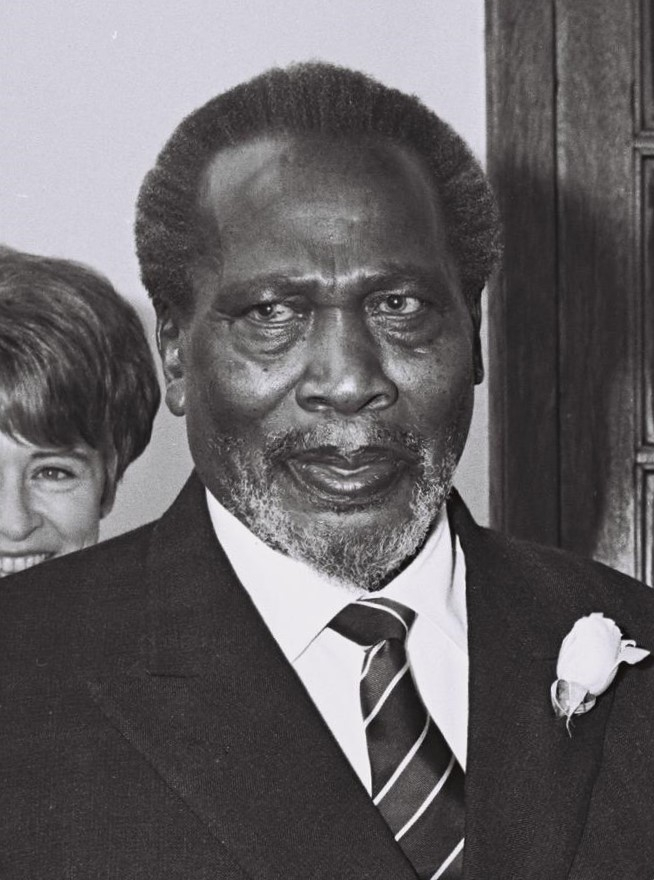
Jomo Kenyatta's inauguration as the first President of Kenya marked a significant milestone in the country's history. Throughout the struggle for independence, Kenyatta emerged as a prominent leader, advocating for self-governance and empowerment of the Kenyan people. His political astuteness and unwavering determination played a pivotal role in shaping the nation's future.
Following years of British colonial rule, Kenyatta's presidency heralded a new era of sovereignty and national identity. His leadership embodied the aspirations of a newly independent Kenya, steering the nation towards unity and progress. Kenyatta's vision for a united and prosperous Kenya resonated with citizens, fostering a sense of pride and optimism.
Under Kenyatta's presidency, Kenya embarked on a path of economic development and political stability. His policies aimed at fostering indigenous industries, improving infrastructure, and promoting education paved the way for growth and prosperity. Kenyatta's emphasis on national unity and reconciliation helped mend historical divisions, fostering a sense of belonging and solidarity among Kenyans.
The inauguration of Jomo Kenyatta as Kenya's first President marked a turning point in the country's history. His legacy continues to resonate in Kenya's political landscape and society, serving as a beacon of inspiration for future generations. Kenyatta's commitment to freedom, justice, and progress laid the foundation for a democratic and inclusive Kenya, where diversity is celebrated and unity prevails.
#JomoKenyatta #KenyaIndependence #UnityAndProgress
View detailsIn 1964, Kenya transitioned into a one-party state under the Kenya African National Union (KANU). This move came after the KANU Party won the general elections, granting them full control over the government. The consolidation of power enabled KANU to establish dominance in the political landscape, sidelining opposition parties. This shift towards a one-party system was supported by the government as a means to promote unity and stability post-independence.
Under the one-party state, KANU solidified its authority by implementing policies that centralized power and restricted dissent. Political opposition was suppressed, and freedom of speech and assembly were curtailed. The state-controlled media played a crucial role in promoting the government's agenda while silencing opposing voices. Dissidents faced censorship, arrest, and intimidation, fostering an environment of fear and compliance.
The transition to a one-party state had a profound impact on Kenya's political landscape. It concentrated power in the hands of a single party, limiting pluralism and democratic participation. The lack of political competition stifled accountability and transparency within the government. Despite claims of promoting unity, the one-party system exacerbated divisions among the populace and marginalized alternative viewpoints.
This historical shift marked a significant turning point in Kenya's political history, shaping the country's trajectory for decades to come. The effects of the one-party state under KANU reverberated throughout society, influencing governance, civil liberties, and the overall democratic fabric of the nation. The legacy of this period continues to impact Kenya's political landscape and the ongoing struggle for pluralism and political inclusivity.
#Kenya #KANU #OnePartyState #PoliticalHistory #Democracy
View details1963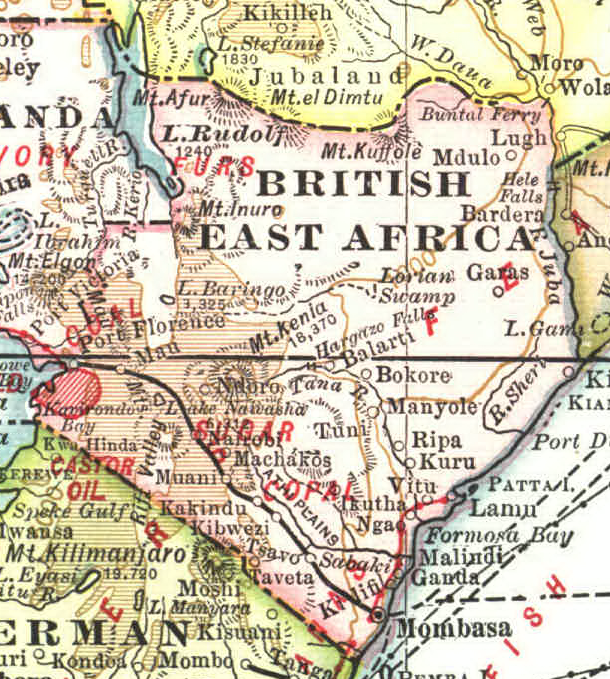
Following years of struggle against British colonial rule, Kenya finally gained independence. The Mau Mau Rebellion, led by local freedom fighters, played a significant role in the fight for independence. The rebellion brought attention to the injustices faced by Kenyans under British rule, leading to increased pressure on the colonial administration to grant independence.
The transition to independence brought about significant changes in Kenya. Jomo Kenyatta, a prominent figure in the fight for independence, became the country's first Prime Minister and later its President. The new government embarked on nation-building efforts, focusing on infrastructure development, education, and healthcare. Kenya's economy also underwent transformations, with a shift towards agriculture and industrialization.
Independence marked a new chapter in Kenya's history, with the country taking control of its own affairs and charting its own course. The end of colonial rule brought about a sense of national pride and unity among the Kenyan people, as they worked together to build a new nation.
The achievement of independence from British colonial rule was a milestone in Kenya's history, paving the way for self-governance and development. The struggles and sacrifices made by the freedom fighters during the fight for independence were not in vain, as Kenya emerged as a sovereign nation ready to tackle the challenges of nation-building.
#KenyaIndependence #MauMauRebellion #JomoKenyatta #NationBuilding
View details1962
The Shifta War erupted in Northern Kenya as secessionists fought against the newly independent Kenyan government. The conflict arose due to tensions between the ethnic Somali population in Northern Kenya and the Kenyan authorities, amidst concerns over potential secession and joining Somalia.
The secessionists, known as Shifta fighters, launched attacks on government forces and infrastructure, seeking to break away from Kenya and unite with Somalia. In response, the Kenyan government deployed its military to counter the insurgency and maintain control over the region.
The Shifta War had a devastating impact on the region, leading to casualties on both sides and causing widespread displacement of civilians. The conflict also disrupted normal life in Northern Kenya, affecting the local economy and creating a humanitarian crisis.
Over time, the Kenyan military, with support from British forces, managed to suppress the secessionist movement. The government implemented various strategies to address the root causes of the conflict, including economic development initiatives and political negotiations with local leaders.
Ultimately, the Shifta War marked a significant chapter in Kenya's history, underscoring the challenges of ethnic diversity and national unity. The conflict highlighted the importance of inclusive governance and equitable resource distribution to prevent further outbreaks of violence.
#ShiftaWar #NorthernKenya #Secessionists #KenyanGovernment #Somalia #EthnicTensions #MilitaryConflict #NationalUnity
View details1957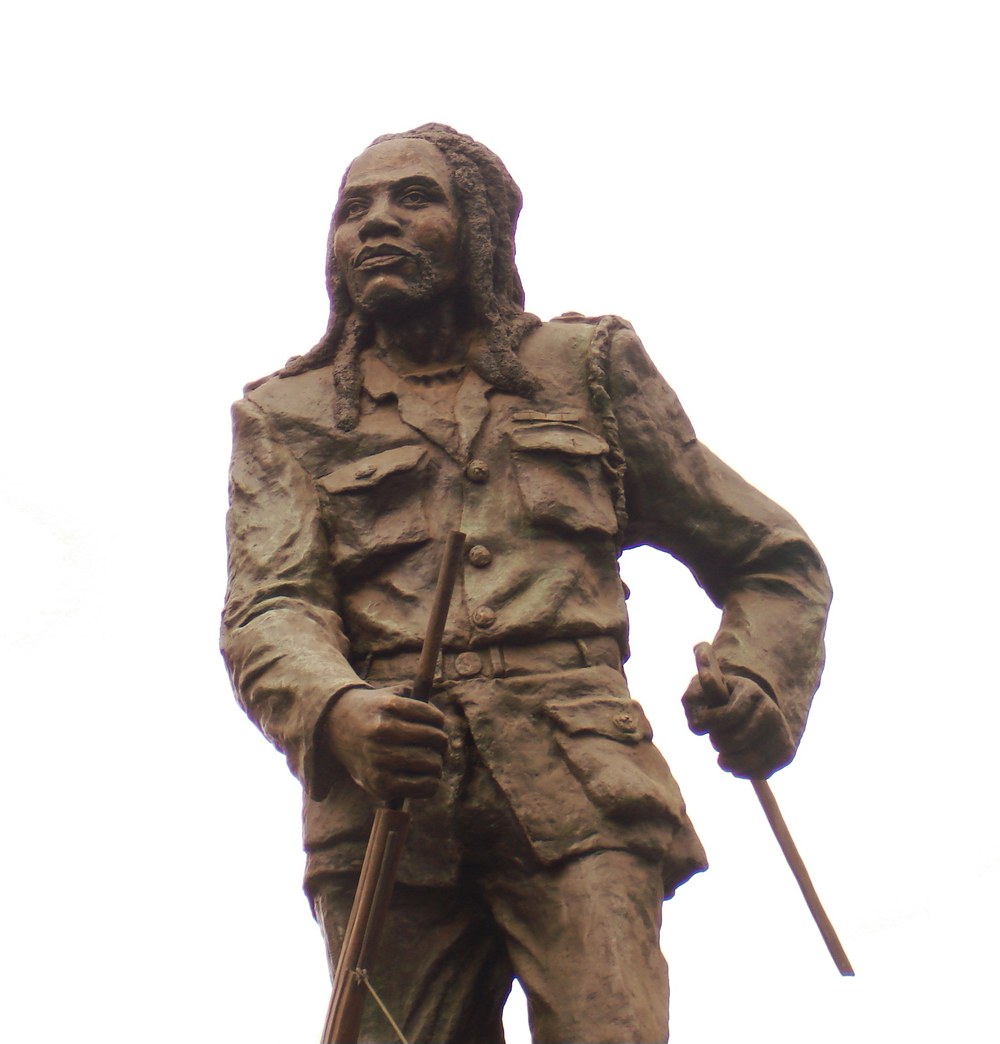
Dedan Kimathi, a prominent figure in Kenya's fight for independence, was executed by hanging under the British colonial government's orders. Kimathi was a key leader in the Mau Mau rebellion against British colonial rule in Kenya. The movement aimed to reclaim land and freedom from British settlers and the colonial government.
Kimathi's execution marked a turning point in Kenya's struggle for independence, amplifying international attention and support for the anti-colonial movement. His steadfast defiance in the face of adversity inspired many to continue fighting for freedom.
The execution of Dedan Kimathi had a profound impact on Kenya's path to independence, strengthening the resolve of the Kenyan people to resist colonial oppression. His legacy lives on as a symbol of courage and resistance against injustice.
#DedanKimathi #KenyaIndependence #MauMauRebellion #ColonialOppression
View details1952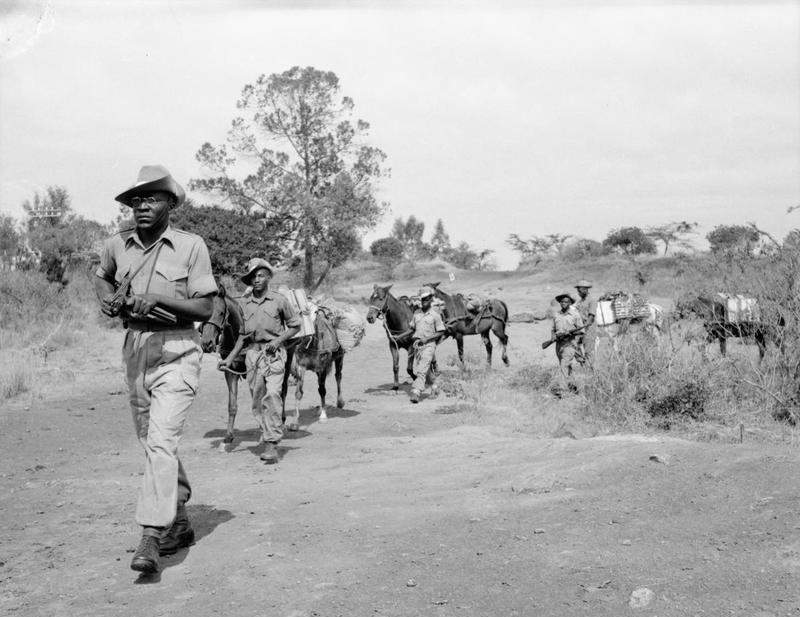
The Mau Mau Uprising was a pivotal movement in Kenya's struggle for independence from British colonial rule. It was sparked by deep-seated grievances among the Kikuyu people, who felt marginalized and oppressed by the colonial government. The brutal response to peaceful protests and land dispossession fueled widespread discontent, leading to the formation of the secret society known as Mau Mau. The Mau Mau aimed to reclaim land, freedom, and dignity through armed resistance.
The uprising began with isolated attacks on white settlers and quickly escalated into a full-blown conflict that lasted for years. The British authorities responded with a heavy hand, declaring a state of emergency and launching a brutal counter-insurgency campaign. Thousands of Mau Mau fighters were killed, captured, or tortured, while many civilians were interned in detention camps where they faced atrocities and abuse.
The impact of the Mau Mau Uprising was profound. It exposed the injustices of colonial rule, galvanized the demand for independence, and united different ethnic groups in the quest for self-determination. Despite the harsh suppression by the British forces, the Mau Mau fighters remained resilient and determined to fight for their rights.
Ultimately, the Mau Mau Uprising paved the way for Kenya's independence in 1963, marking the end of British colonial rule in the country. The legacy of the Mau Mau struggle lives on in Kenya's national consciousness, serving as a symbol of resistance, resilience, and the enduring quest for freedom.
#MauMauUprising #KenyaIndependence #ColonialResistance #SelfDetermination
View details1948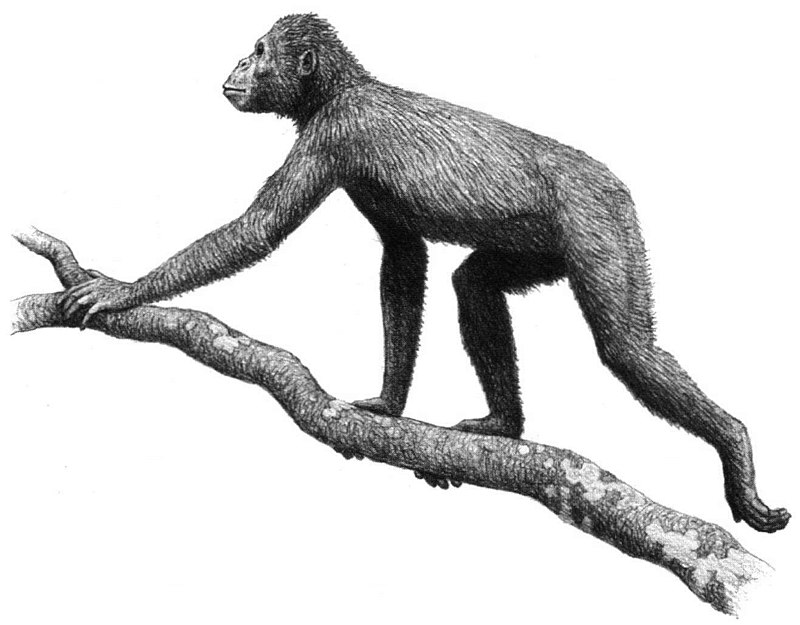
Paleoanthropologist Mary Leakey made a groundbreaking discovery on Rusinga Island, Kenya, finding the first partial fossil skull of Proconsul africanus, an ancestor of modern apes and humans. This momentous finding shed new light on the evolutionary journey of primates.
The discovery of the partial fossil skull of Proconsul africanus by Mary Leakey marked a significant advancement in the field of paleoanthropology. The fossil provided valuable insights into the early stages of primate evolution, offering a glimpse into the common ancestors of apes and humans.
Mary Leakey's discovery on Rusinga Island, Kenya, highlighted the importance of East Africa as a crucial region for understanding human evolution. The find sparked further research and exploration in the area, leading to more discoveries that have since contributed to our understanding of our evolutionary history.
The fossil skull of Proconsul africanus uncovered by Mary Leakey on Rusinga Island, Kenya, remains a crucial piece in the puzzle of human evolution. It serves as a reminder of the rich evolutionary history of primates in Africa and the continuous quest to unravel the mysteries of our origins.
#MaryLeakey #Paleoanthropology #Evolution #RusingaIsland #Kenya #Proconsulafricanus #PrimateEvolution
View details1935
In 1935, the Anglo-German Agreement was signed to delineate the boundaries between Kenya and German East Africa. This event was significant as it aimed to resolve territorial disputes and establish clear borders between the two colonial regions.
The background to this agreement can be traced back to the colonial scramble for Africa in the late 19th and early 20th centuries. Both Britain and Germany sought to expand their empires in East Africa, leading to overlapping claims and tensions over territorial control.
The signing of the Anglo-German Agreement had a lasting impact on the regions involved. By defining precise boundaries, it helped to avoid potential conflicts and promoted stability in the region. The agreement also facilitated future diplomatic relations between the two colonial powers.
One important fact to note is that the agreement was reached through negotiations between British and German officials, highlighting the diplomatic efforts to resolve territorial disputes peacefully. The agreed-upon boundaries were based on geographical features such as rivers and mountains, providing clear markers for the demarcation of the colonial territories.
Overall, the signing of the Anglo-German Agreement in 1935 was a crucial moment in the history of Kenya and German East Africa. It established defined borders, promoted stability, and set the stage for future cooperation between the colonial powers. This event exemplifies the diplomatic efforts to resolve territorial disputes and maintain peaceful relations in the context of European colonial expansion in Africa.
#BoundaryAgreement #ColonialDiplomacy #TerritorialResolution
View details1914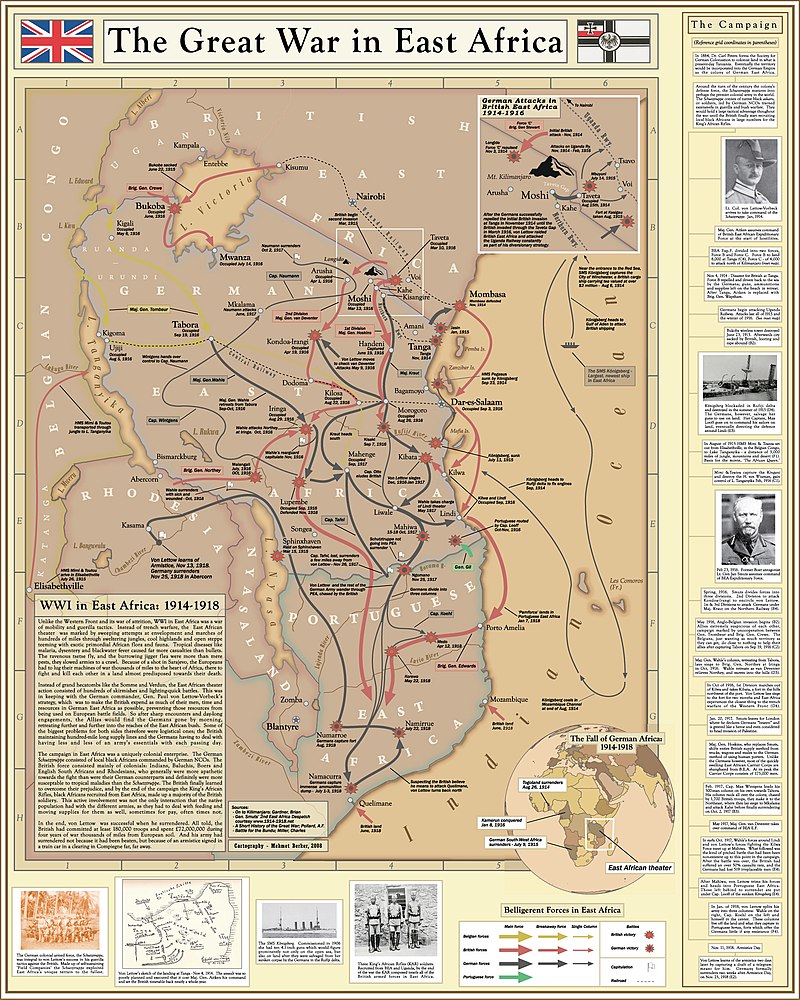
In early August, the outbreak of the East African Campaign during World War I saw the arrival of German forces in Kenya led by Colonel Paul von Lettow-Vorbeck. The campaign was characterized by a series of battles fought across the East African region, including Kenya, between the German forces and the British Empire.
The German forces, heavily outnumbered and lacking in resources, employed guerilla tactics and utilized the challenging terrain of East Africa to their advantage. They successfully evaded British attempts to capture them and inflicted significant casualties on the Allied forces. The British, on the other hand, faced difficulties in navigating the unfamiliar environment and suffered from diseases such as malaria.
The impact of the East African Campaign was profound, with the conflict lasting for the duration of World War I and tying down a significant number of British troops. The campaign also had far-reaching consequences for the local population, as the warfare disrupted the region's economy and led to widespread suffering among civilians.
Despite the challenges faced by both sides, the East African Campaign in Kenya showcased the resilience and adaptability of the forces involved. It was a test of endurance in a harsh and unforgiving environment, where strategic maneuvering and resourcefulness played a crucial role in determining the outcome of battles.
The events of the East African Campaign in Kenya during World War I serve as a reminder of the impact of war on diverse regions and populations, highlighting the complexities and hardships faced by those caught in the midst of armed conflict. The legacy of the campaign continues to be remembered as a significant chapter in Kenya's history, showcasing the courage and sacrifice of those who participated in the conflict.
#EastAfricanCampaign #WorldWarI #KenyaHistory #GuerillaWarfare.
View details