Evolution of Kenyan Currency
Economic Development
Independence
4 min read
Updated By: History Editorial Network (HEN)
Published:
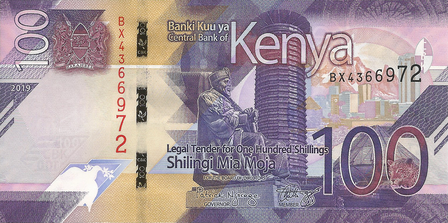
In 1966, Kenya introduced its first national currency, replacing the East African Currency Board notes that had been in circulation. This move marked the country's newfound economic independence following its independence from British colonial rule. The introduction of the Kenyan currency, with images of Jomo Kenyatta, the first President of Kenya, represented a significant step towards asserting the nation's identity and sovereignty.
The new currency not only reflected Kenya's national pride but also aimed to streamline the country's monetary system and foster economic development. With the issuance of its own currency, Kenya gained more control over its monetary policies, paving the way for greater financial stability and growth.
The transition to a national currency had a profound impact on the daily lives of Kenyan citizens. It instilled a sense of patriotism and unity, as people across the country embraced the new notes and coins as symbols of their nation. The widespread acceptance of the Kenyan currency facilitated domestic trade and transactions, fueling economic activities and commerce.
Moreover, the introduction of the Kenyan currency bolstered the country's international standing, as it strengthened Kenya's economic sovereignty and autonomy. The distinctive design of the currency highlighted Kenya's rich cultural heritage and natural diversity, showcasing the country's unique identity to the world.
Overall, the introduction of the first Kenyan currency in 1966 was a pivotal moment in the nation's history, symbolizing its transition to a sovereign state and setting the stage for economic progress and prosperity in the years to come.
#Kenya #Currency #Independence #EconomicDevelopment

Explore the Life Moments of
 AI Twin