
Kenya

The Cradle of Humankind
Related Lives

Ottoman Empire
A global superpower for over 600 years


Gregorian calendar
The New Style calendar

Roman Empire
Imperium Romanum

Chile
Land of poets and penguins.
President of the Italian Republic
Head of State

Ireland
The Emerald Isle

Monarchy of the United Kingdom
The enduring legacy of the Royal Family.

1901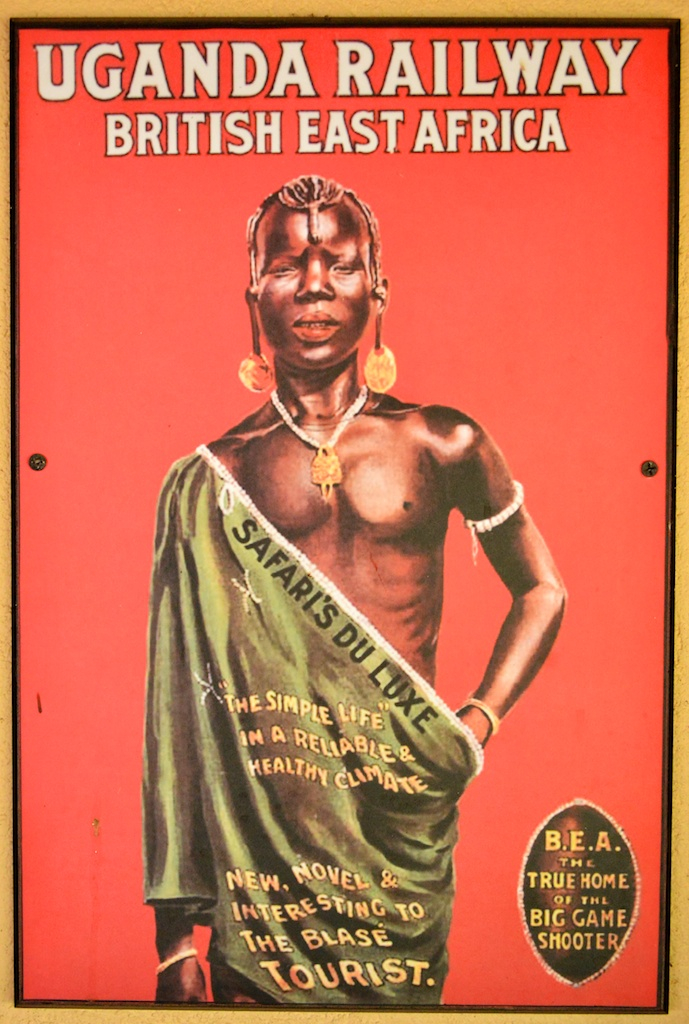
The completion of the Kenya-Uganda Railway marked a pivotal moment in East African history. The railway project, initiated by the British colonial government, aimed to connect the interior of Kenya to the Indian Ocean, facilitating the transportation of goods and people. The construction of the railway was a massive undertaking, involving thousands of laborers, including Indian and African workers.
Stretching from the coastal city of Mombasa to the western border town of Kisumu, the railway provided a vital link between the vast resources of the interior and the international markets. It played a crucial role in the development of Kenya's economy, particularly the export of cash crops such as tea and coffee.
The completion of the railway had a profound impact on the social and political landscape of the region. It facilitated the movement of people within Kenya and beyond, leading to the growth of urban centers along its route. The railway also played a significant role in the colonization of East Africa, as it enabled the British to exert control over the region and exploit its resources more effectively.
Despite the significant contributions of the railway to the economic development of Kenya, its construction was not without controversy. The project faced numerous challenges, including funding shortages, logistical difficulties, and resistance from local communities. The harsh working conditions endured by the laborers, many of whom were forced to work in deplorable conditions, led to protests and strikes.
In conclusion, the completion of the Kenya-Uganda Railway was a milestone in the history of East Africa, connecting the interior of Kenya to the Indian Ocean and shaping the region's future development. It remains a symbol of both the colonial legacy in Kenya and the enduring resilience of its people. #KenyaHistory #EastAfricanRailway #ColonialLegacy
View details1895
In the late 19th century, the British government established the East African Protectorate, encompassing modern-day Kenya. This move aimed to expand British influence in the region, secure trade routes, and counter the growing presence of other European powers. The protectorate was strategically valuable due to its coastal access to the Indian Ocean and its potential for agricultural development.
The creation of the East African Protectorate had a significant impact on the indigenous communities of Kenya. British colonial rule led to the displacement of many local tribes and the imposition of new systems of governance and land ownership. The British aimed to exploit the natural resources of the region, particularly the fertile lands suitable for cash crop cultivation like coffee and tea. This economic exploitation further marginalized the indigenous populations and disrupted their traditional way of life.
The British government implemented policies that favored European settlers, leading to the establishment of large-scale commercial farms owned by British colonizers. This further marginalized the local communities, who were often forced to work as laborers on these farms for minimal wages.
Despite resistance from local communities, the British colonial administration maintained control over the East African Protectorate through a combination of military force, administrative structures, and alliances with selected indigenous leaders. The imposition of British colonial rule brought about a period of significant social, cultural, and economic change in Kenya, laying the groundwork for the country's future development and its struggles for independence.
The legacy of the creation of the East African Protectorate continues to be felt in Kenya today, shaping the country's political landscape, land tenure systems, and economic disparities. The impact of colonialism is still evident in issues of land ownership, ethnic tensions, and social inequalities. #Colonialism #BritishEmpire #KenyanHistory #ImpactOfColonialism
View details1892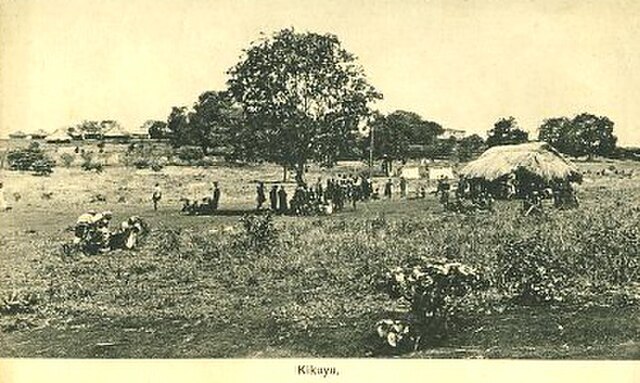
In the early 19th century, the initiation of the construction of Fort Smith marked a crucial development in the region known today as Nairobi, Kenya. The fort was established as a strategic outpost by the British colonial authorities to facilitate trade and secure their interests in the interior of East Africa. Situated along the caravan route connecting the coast to the hinterland, Fort Smith aimed to control the trade of ivory, slaves, and other commodities.
The construction of Fort Smith brought significant changes to the area. It attracted traders, missionaries, and settlers, leading to the gradual establishment of a settlement around the fort. This laid the foundation for the future growth and development of Nairobi as a prominent urban center. The presence of the fort also enhanced security and stability in the region, contributing to the suppression of local conflicts and the establishment of British control over the area.
Over time, Fort Smith became a focal point for British colonial administration and military operations in East Africa. It played a crucial role in shaping the political and economic landscape of the region, setting the stage for the eventual expansion of British influence and the transformation of Nairobi into the capital city of Kenya.
The initiation of the construction of Fort Smith in present-day Nairobi was a watershed moment in the history of the region. It marked the beginning of a new era characterized by colonial rule, urbanization, and socio-economic transformation. The legacy of Fort Smith continues to resonate in the fabric of Nairobi, reminding us of the complex historical forces that have shaped the city and its people. #ColonialHistory #Urbanization #BritishColonialism
View details1888
In the late 19th century, as European powers vied for control over territories in Africa, the British established the Imperial British East Africa Company {IBEAC} to oversee their interests in East Africa. The company was tasked with promoting trade, maintaining order, and advancing British influence in the region.
The IBEAC was granted a royal charter to administer territories in East Africa, including present-day Kenya. With the goal of exploiting the region's resources and expanding British control, the company established trading posts, built infrastructure, and negotiated treaties with local leaders.
The establishment of the IBEAC had a significant impact on the region. It led to the influx of European settlers, the introduction of new technologies and industries, and the imposition of British colonial rule. The company's activities sparked resistance from local communities, leading to conflicts and upheaval in the region.
Despite facing financial difficulties and challenges in governing the vast and diverse East African territories, the IBEAC laid the groundwork for British colonial rule in Kenya. The company's efforts set the stage for the eventual annexation of East Africa by the British government and the establishment of formal colonial administration in the region.
The legacy of the Imperial British East Africa Company {IBEAC} continues to shape Kenya's history and society. The impacts of colonialism, including land dispossession, cultural assimilation, and political divisions, are still felt in the country today. The establishment of the IBEAC marked a pivotal moment in Kenya's history, setting the stage for the country's eventual independence and ongoing struggles for self-determination.
#ImperialBritishEastAfricaCompany #BritishColonialism #KenyanHistory
View details1850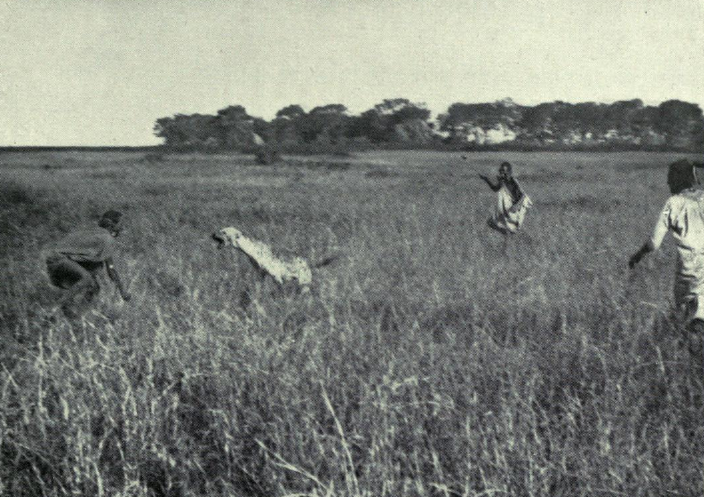
In 1852, the Maasai tribe embarked on a significant territorial expansion in Kenya. The Maasai, renowned for their warrior culture and semi-nomadic lifestyle, sought to increase their grazing land and access to water sources. As a result, they began to move southwards and westwards from their traditional territories in the Great Rift Valley.
The Maasai tribe's expansion had a profound impact on the regions they traversed. They encountered and displaced various indigenous communities, leading to conflicts over land and resources. Their formidable warrior reputation and strategic alliances allowed them to successfully assert their dominance in the newly acquired territories.
The expansion of the Maasai tribe also brought about cultural exchanges and influences with other ethnic groups. They introduced their unique customs, language, and livestock management practices to the areas they settled in, leaving a lasting imprint on the local populations.
This event marked a crucial chapter in the history of the Maasai tribe, showcasing their resilience, adaptability, and territorial ambitions. It laid the foundation for the establishment of Maasai dominance in vast swathes of the Kenyan landscape, shaping the socio-political dynamics of the region for generations to come.
#MaasaiTribe #TerritorialExpansion #KenyanHistory #CulturalInfluences
View details1848
Johann Ludwig Krapf, a German explorer, embarked on an expedition to explore Mount Kenya, the second-highest mountain in Africa. His journey was fueled by a deep curiosity about the uncharted territories of East Africa.
Krapf's exploration of Mount Kenya had a significant impact on the geographical knowledge of the region. He meticulously documented the flora, fauna, and indigenous communities he encountered along the way. This valuable information helped to fill in the gaps in European understanding of the African continent.
During his expedition, Krapf faced numerous challenges, including harsh weather conditions, rugged terrain, and unfamiliar wildlife. However, his determination and perseverance allowed him to push forward and make remarkable discoveries about the landscape and people of the area.
Krapf's exploration of Mount Kenya laid the foundation for future expeditions and studies of the region. His detailed accounts provided a wealth of information for researchers, scientists, and geographers to further study and understand the unique ecosystem of the mountain and its surrounding areas.
Overall, Johann Ludwig Krapf's exploration of Mount Kenya was a significant milestone in the history of African exploration. His brave journey into the unknown helped to expand the collective knowledge of the continent and opened up new possibilities for scientific research and cultural understanding.
#JohannLudwigKrapf #MountKenyaExploration #AfricanExploration #GeographicalDiscovery #EastAfricaAdventure #ScientificResearch
View details1843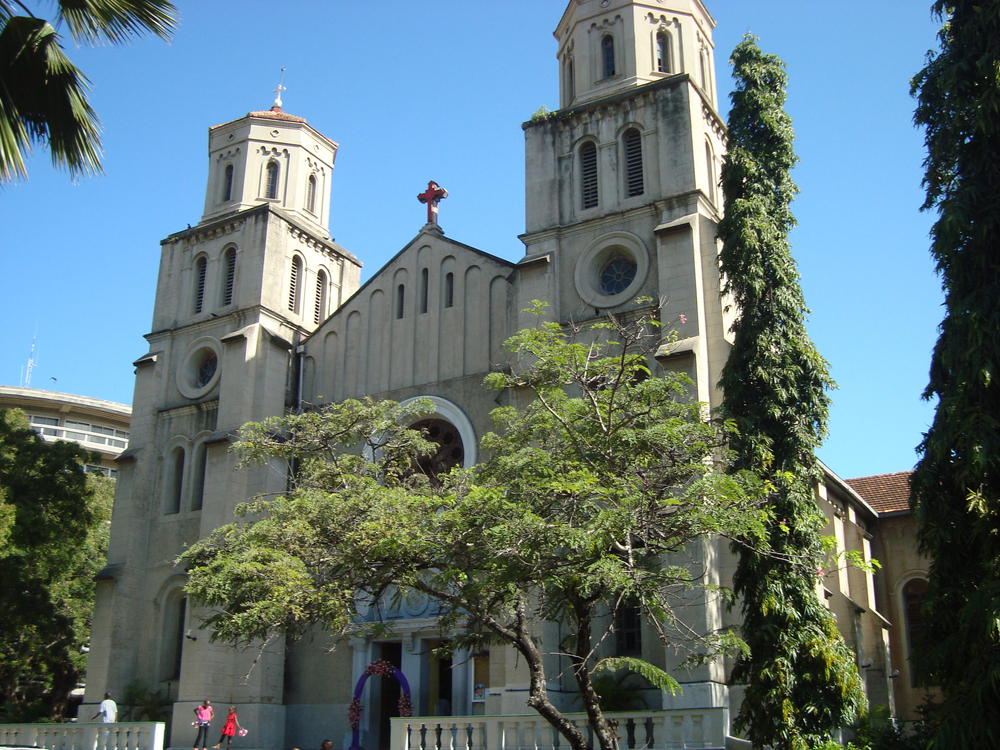
British missionaries arrived in Mombasa, Kenya, aiming to establish the Church of England mission. The mission's primary goal was to spread Christianity and provide education and medical care to the local community. The missionaries faced challenges such as language barriers and resistance to their teachings. Despite this, they persevered and gradually gained the trust of the people.
The establishment of the Church of England mission in Mombasa had a significant impact on the local community. The missionaries set up schools where children could receive a formal education, empowering them with knowledge and skills for the future. They also introduced modern healthcare practices, improving the overall health and wellbeing of the people. Additionally, the mission provided spiritual guidance and support, leading many locals to convert to Christianity.
Over time, the Church of England mission in Mombasa expanded its reach to neighboring regions, further spreading its influence and services. The missionaries played a crucial role in shaping the social fabric of the area, advocating for peace, equality, and justice. Their efforts contributed to the development of Mombasa as a center for education and healthcare in the region.
The legacy of the Church of England mission in Mombasa continues to be felt today, with many institutions and Christian communities tracing their roots back to this pivotal moment in history. The mission not only impacted the lives of the people it directly served but also laid the foundation for future generations to thrive and prosper.
#BritishMissionaries #ChurchOfEngland #MombasaMission #KenyanHistory #EducationAndFaith #CommunityDevelopment
View details1728
In 1728, the Omani Arabs successfully asserted their control over the coastal areas of Kenya. This event marked a significant shift in power dynamics in the region.
The Omani Arabs, led by their Sultan in Zanzibar, sought to expand their influence beyond the island and establish control over the lucrative Indian Ocean trade routes. The coastal areas of Kenya, with their strategic location and thriving trade networks, presented a valuable opportunity for the Omani Arabs.
The conquest of the coastal areas of Kenya by the Omani Arabs had far-reaching consequences. It led to the establishment of Omani dominance in the region, as they imposed their authority over local trade networks and sought to exploit the resources of the area. This resulted in a transformation of the economic and social landscape of the coastal areas, as the Omani Arabs introduced new trading practices and established control over key ports and markets.
The Omani Arab presence in the coastal areas of Kenya also had a lasting impact on the local population. It brought about cultural exchange and integration, as Arab influences began to blend with local traditions, languages, and customs. This fusion of cultures gave rise to a unique Swahili identity that continues to characterize the coastal regions of Kenya to this day.
Overall, the Omani Arabs gaining control over the coastal areas of Kenya in 1728 reshaped the political, economic, and cultural dynamics of the region, laying the foundation for centuries of interaction and exchange between the Arab and African worlds.
#OmaniArabs #CoastalAreas #Kenya #TradeRoutes #CulturalExchange
View details1698
The Maasai tribe, a semi-nomadic people known for their distinct cultural traditions, migrated into present-day Kenya. This migration was part of their historical movement across the Great Rift Valley region in East Africa.
The Maasai tribe is recognized for their strong warrior traditions, cattle-rearing practices, and unique attire, which includes colorful shukas and intricate beaded jewelry. Their arrival in Kenya marked the beginning of their settlement in the Rift Valley and central regions of the country.
The impact of the Maasai migration into Kenya was significant in shaping the cultural landscape of the region. They brought with them their pastoral way of life, which centered around herding cattle and goats. This had a lasting influence on the economic and social structures of the areas they inhabited.
The Maasai tribe also played a role in the resistance against colonial rule in Kenya, fiercely guarding their land and way of life against external influences. Their reputation as fierce warriors and defenders of their territory earned them respect and fear among neighboring communities.
Today, the Maasai tribe continues to uphold their cultural practices and traditions, despite facing challenges such as diminishing land resources and modernization. Efforts are being made to preserve their heritage and ensure the sustainability of their way of life for future generations to come.
#MaasaiTribe #KenyanHistory #CulturalHeritage #EastAfricanTraditions
View details1592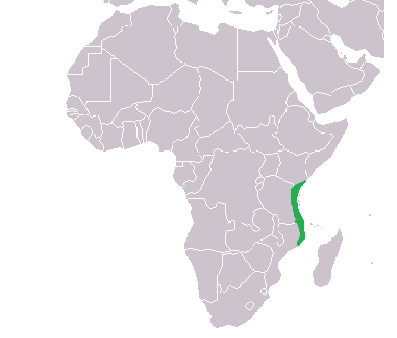
In 1593, the Swahili city-states along the coast of present-day Kenya fell under Portuguese control. This marked a significant shift in the region's trade and political landscape.
The Swahili city-states had been prosperous trading hubs, known for their vibrant cultural exchange and bustling commerce. However, the arrival of the Portuguese disrupted this dynamic. Seeking to dominate the lucrative trade routes of the Indian Ocean, the Portuguese employed military force to establish control over the region.
The impact of Portuguese control was profound. It led to the decline of the Swahili city-states as autonomous entities and the imposition of Portuguese authority over the coastal territories. The Portuguese influence extended beyond just economic realms, encompassing social, cultural, and political spheres as well.
The imposition of Portuguese control brought about changes in trade patterns, with the Portuguese exerting their dominance over existing trade networks. Additionally, the Portuguese implemented policies that favored their own economic interests, often at the expense of the local populations.
Despite facing resistance from the Swahili city-states and other regional powers, the Portuguese were ultimately able to maintain control over the coastal regions for an extended period. This period of Portuguese dominance laid the groundwork for subsequent European colonial expansion in the region.
#SwahiliCityStates #PortugueseControl #KenyanHistory
View detailsThe establishment of Fort Jesus in Mombasa by the Portuguese marked a pivotal point in the history of East Africa. The Portuguese, seeking to control the valuable trade routes along the East African coast, built the fort as a strategic stronghold. Situated along the shore of Mombasa Island, the fort overlooked the Indian Ocean, serving as a military base and a symbol of Portuguese power in the region.
Fort Jesus was designed by Italian architect Giovanni Battista Cairati, incorporating Renaissance elements in its architecture. The fort featured strong defensive walls, cannons, and a well-structured layout, making it a formidable fortress. Over the years, Fort Jesus witnessed numerous battles and changed hands between the Portuguese, Arabs, and British, each leaving their mark on its history.
The establishment of Fort Jesus had a lasting impact on the region's trade dynamics. It facilitated the exchange of goods between Europe, Africa, and Asia, leading to the growth of a vibrant mercantile community in Mombasa. The fort also played a significant role in the spread of Christianity along the Swahili coast, influencing the cultural and religious landscape of the region.
Today, Fort Jesus stands as a UNESCO World Heritage Site, attracting visitors from around the globe to explore its history and cultural significance. The fort's museum displays artifacts, documents, and exhibits that highlight its role in the maritime history of East Africa. The strategic location, historical importance, and architectural beauty of Fort Jesus continue to captivate historians, archaeologists, and tourists alike.
#FortJesus #Portuguese #Mombasa #EastAfrica #TradeRoutes #UNESCOHeritage #MaritimeHistory
View details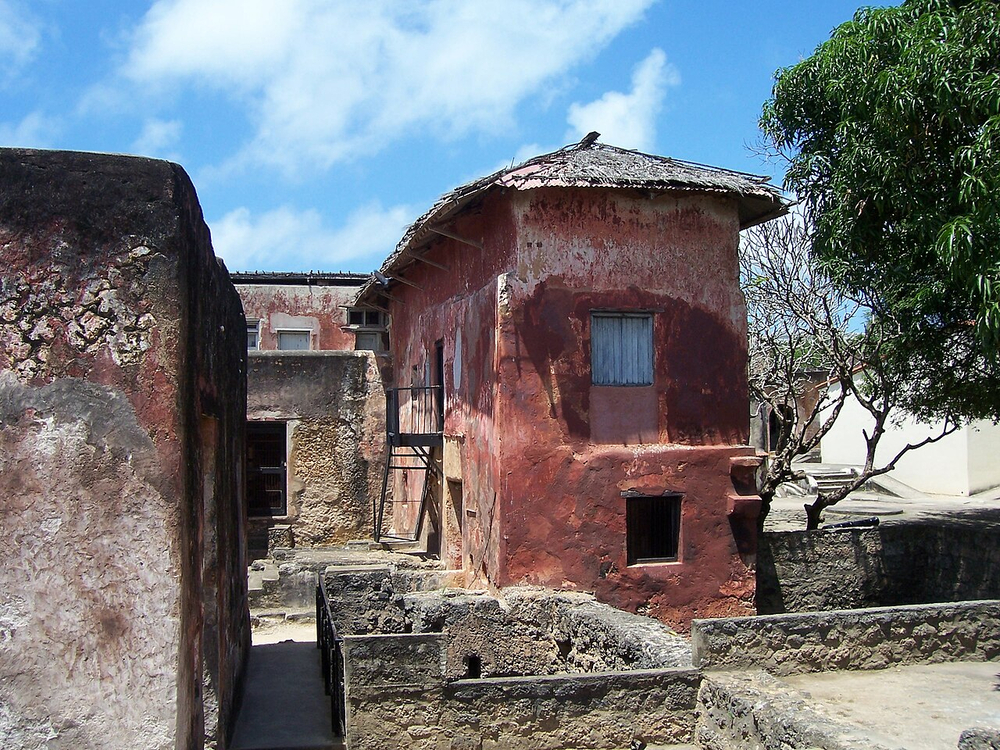
1498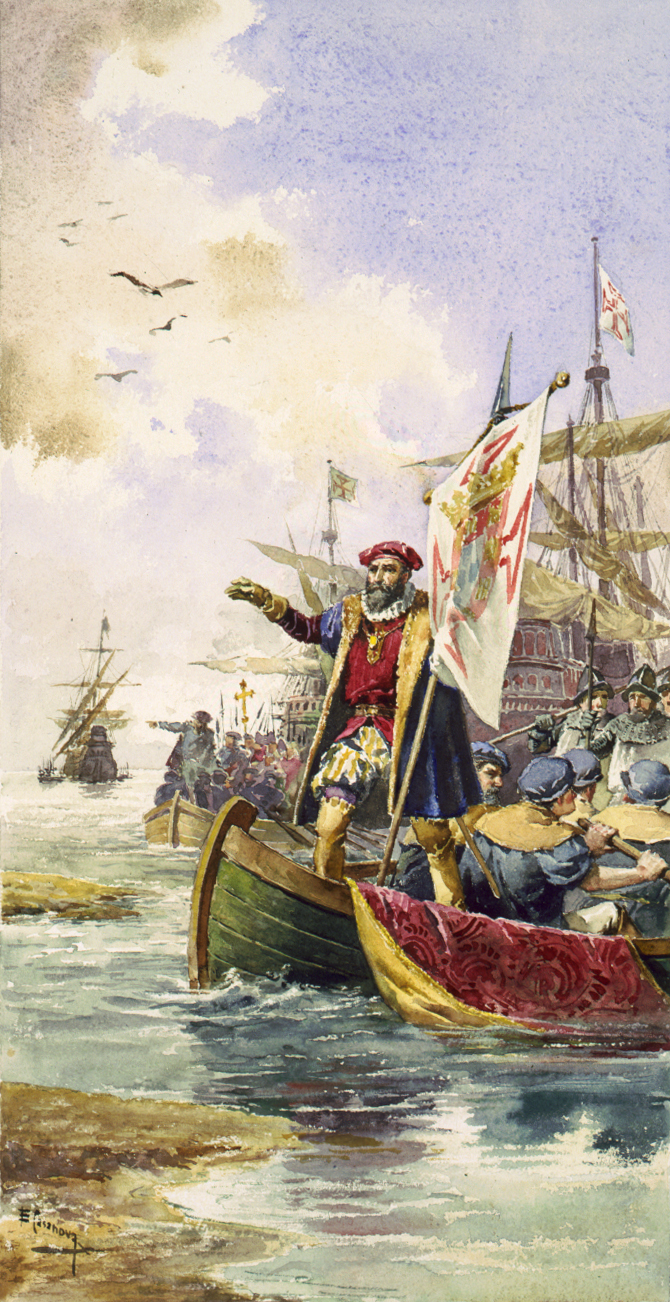
Portuguese explorer Vasco da Gama set sail from Europe in search of a sea route to the lucrative spice markets of the East Indies. After navigating the treacherous waters of the Cape of Good Hope, da Gama's fleet arrived on the Kenyan coast. This marked the first time a European expedition had reached this part of Eastern Africa.
Upon landing, da Gama encountered local Swahili traders who were already engaged in commerce with the Arab world. Despite initial language barriers and cultural differences, da Gama managed to establish trade relations with the Swahili merchants. This encounter opened up new opportunities for the Portuguese to access the valuable spices, ivory, and gold that were abundant in the region.
Da Gama's arrival on the Kenyan coast had a lasting impact on the region. It paved the way for increased European exploration and colonization of East Africa. The Portuguese would later establish trading posts and forts along the coast, leading to significant changes in the local economies and societies.
The expedition also had far-reaching consequences for global trade. The establishment of direct sea routes to the East Indies reduced the reliance on the costly overland caravan routes through the Middle East. This shift in trade routes would later contribute to the decline of traditional trading hubs like Venice and Constantinople.
Overall, Vasco da Gama's arrival on the Kenyan coast was a pivotal moment in the history of European exploration and global commerce. It marked the beginning of a new era of interaction between Europe and East Africa, with lasting implications for trade, culture, and politics.
#VascoDaGama #KenyanCoast #EuropeanExploration #GlobalTrade
View details1331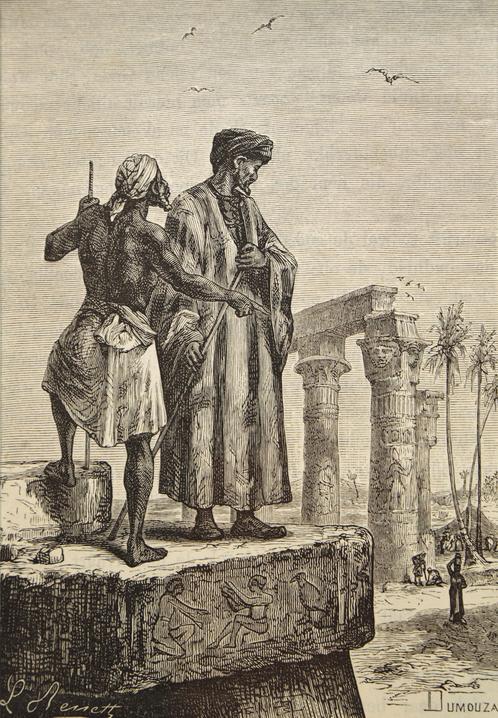
Ibn Battuta, a renowned Moroccan explorer, ventured to the Swahili city-states along the East African coast. During his travels, he meticulously documented the diverse cultures, bustling trade, and striking architecture of the region. His detailed observations provided valuable insights into the thriving commercial networks and rich cultural tapestry of the Swahili coast.
The Swahili city-states were a mosaic of coastal settlements that flourished due to their strategic location along trade routes connecting the Indian Ocean world. Ibn Battuta marveled at the vibrant blend of African, Arab, Persian, and Indian influences that shaped the cities' customs, languages, and architecture. He noted the bustling markets, where goods such as gold, ivory, spices, and slaves exchanged hands, highlighting the region's economic vitality.
The explorer also observed the Swahili people's cosmopolitan lifestyle, characterized by their proficiency in commerce, seafaring, and Islamic scholarship. He remarked on the grand mosques, elegant palaces, and intricately carved wooden doors that adorned the city-states, illustrating the wealth and sophistication of their societies.
Ibn Battuta's accounts of his journey to the Swahili city-states became invaluable historical records, shedding light on a crucial period of interaction and exchange between diverse cultures in the Indian Ocean world. His writings continue to inspire scholars and enthusiasts alike to delve into the fascinating history of East Africa's coastal communities and their enduring legacies.
#IbnBattuta #SwahiliCityStates #EastAfrica #TradeRoutes #CulturalDiversity #HistoricalRecords #IndianOceanWorld #Exploration
View details1000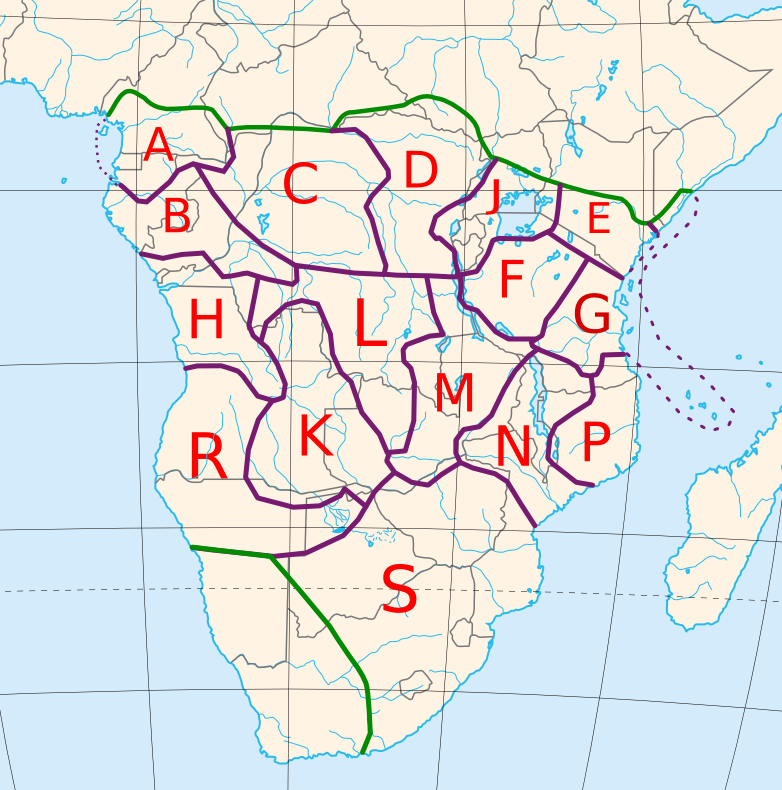
The Bantu migration into the region now known as Kenya commenced, shaping the cultural and linguistic landscape of the area. The Bantu people, hailing from West Africa, gradually made their way south and eastwards, bringing with them their agricultural expertise, ironworking skills, and distinct Bantu languages.
As the Bantu migrants settled in various parts of present-day Kenya, they interacted with and in some cases assimilated local hunter-gatherer communities, such as the Cushitic and Nilotic peoples. This interaction facilitated the exchange of knowledge and practices, enriching the cultural heritage of the region. Agriculture thrived with the introduction of new crops like millet, sorghum, and bananas, contributing to the development of more settled societies.
The Bantu migration also left an enduring mark on the linguistic diversity of Kenya. The Bantu languages, characterized by noun class systems and intricate grammatical structures, became predominant across much of the country. Swahili, a Bantu language with significant Arabic influence, evolved into a lingua franca along the East African coast, facilitating trade and cultural exchange.
The impact of the Bantu migration into Kenya reverberates through the centuries, influencing the country's social organization, economic activities, and communication networks. The fusion of Bantu, Cushitic, and Nilotic elements has contributed to the rich tapestry of cultures that define Kenya today.
#BantuMigration #CulturalInfluence #LinguisticDiversity #KenyanHeritage
View details957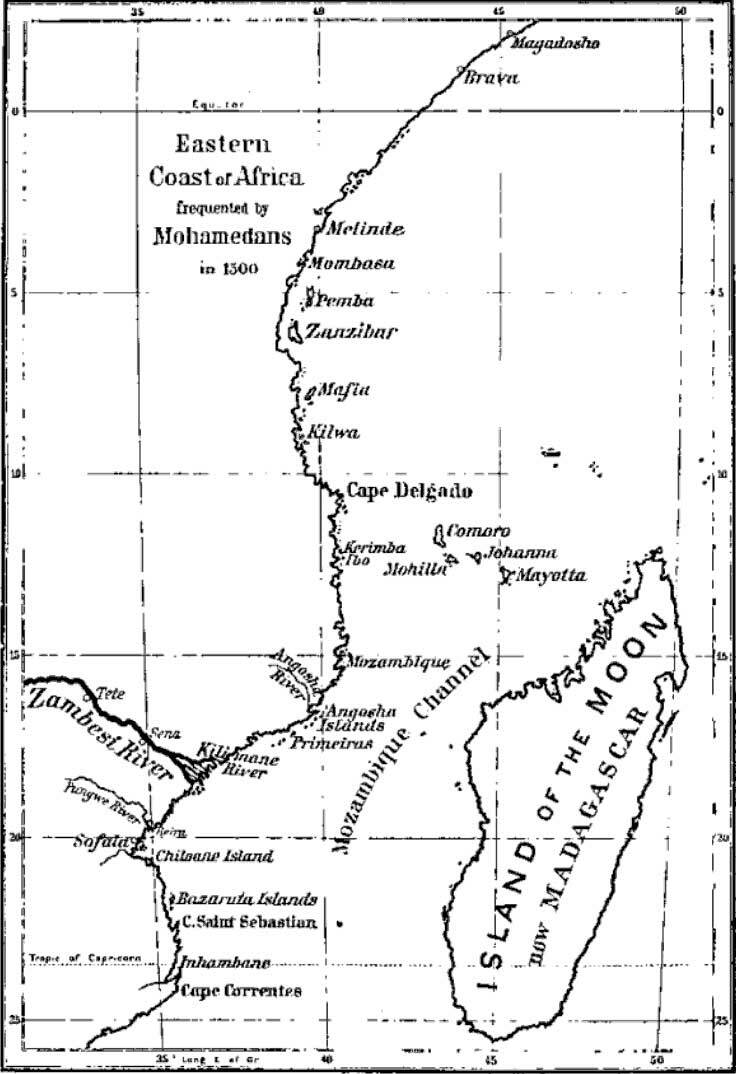
The rise of the Kilwa Sultanate marked a pivotal point in the history of East Africa. Situated along the Swahili Coast, the sultanate strategically positioned itself as a major trading empire, dominating commerce in the region. The wealth and power of Kilwa stemmed from its control over key trade routes, connecting the interior of Africa with the lucrative markets of the Indian Ocean.
The Kilwa Sultanate benefitted from its proximity to the rich gold mines of Great Zimbabwe and the ivory trade of the interior regions. This allowed Kilwa to establish itself as a prominent trading hub, attracting merchants from as far as Arabia, Persia, India, and China. The sultanate's prosperity was further enhanced by its production of highly valued goods such as gold, ivory, copper, and slaves.
Through alliances with other city-states along the Swahili Coast, Kilwa extended its influence and solidified its position as the dominant economic power in the region. The city of Kilwa itself became a bustling center of commerce, characterized by its impressive stone architecture, vibrant markets, and diverse population. The sultanate's control over trade also brought about cultural exchange, with influences from different parts of the world shaping the unique Swahili culture of the region.
The dominance of the Kilwa Sultanate in the Indian Ocean trade network had far-reaching effects on the economy and politics of East Africa. The influx of wealth transformed Kilwa into a cosmopolitan center, fueling advancements in art, architecture, and technology. The sultanate's prosperity also attracted the attention of foreign powers, leading to conflicts over control of the valuable trade routes.
In conclusion, the rise of the Kilwa Sultanate as a major trading empire along the Swahili Coast reshaped the dynamics of commerce in East Africa. Its strategic location, wealth of resources, and alliances with neighboring city-states propelled Kilwa to become a key player in the Indian Ocean trade network, leaving a lasting legacy on the region's history. #KilwaSultanate #SwahiliCoast #TradeEmpire #EastAfrica #CulturalExchange
View details0899
Located along the coast of present-day Kenya, Mombasa was founded as a Swahili settlement around 900. The Swahili people were traders and skilled sailors who established settlements along the East African coast, engaging in trade with distant lands such as Arabia, Persia, and India. Mombasa quickly emerged as a key trading hub due to its strategic location and access to the Indian Ocean.
The founding of Mombasa had a significant impact on the region. It facilitated the exchange of goods, ideas, and cultures between the Swahili people and traders from various parts of the world. This led to the development of a diverse and cosmopolitan society that thrived on commerce and maritime activities.
Mombasa's strategic location made it a target for various foreign powers seeking to control the lucrative trade routes in the Indian Ocean. Over the centuries, the settlement was ruled by different empires, including the Portuguese, Arabs, and British, each leaving their mark on the city's architecture, culture, and traditions.
Today, Mombasa remains an important port city and a melting pot of cultures, reflecting its rich history as a Swahili settlement. Its vibrant markets, historic landmarks, and beautiful beaches attract visitors from around the world, contributing to the city's reputation as a popular tourist destination.
#SwahiliSettlement #Mombasa #EastAfricanTrade #CulturalExchange #TradingHub #DiverseSociety #KenyanHistory #MaritimeActivities #CosmopolitanCity
View details800
Back in 800, Arab traders introduced Islam to the coastal regions of Kenya. The traders arrived via the Indian Ocean, bringing along their Islamic beliefs and culture. This event marked the beginning of Islam's spread in the region.
The coastal communities of Kenya were influenced by the teachings of Islam, leading to the gradual conversion of many locals to the religion. The influx of Islamic beliefs also brought changes in the social, cultural, and economic aspects of the coastal regions. Trade relations with the Arab world flourished, and Swahili culture began to blend with Islamic traditions, creating a unique coastal identity.
The introduction of Islam had a lasting impact on the people of the coastal regions of Kenya. It not only transformed their spiritual beliefs but also influenced their daily practices and societal norms. The coastal towns became centers of Islamic learning, attracting scholars and traders from distant lands.
Today, the coastal regions of Kenya still bear the imprint of the Arab traders who introduced Islam centuries ago. The mosques, madrasas, and intricate Swahili architecture stand as a testament to the fusion of Arab and African cultures. The vibrant culture of the coastal communities continues to reflect the influence of Islam in their way of life.
#ArabTraders #IslamicInfluence #CoastalRegionsKenya #CulturalBlend #SwahiliHeritage
View details