Cannibalism Evidence in 1.45-Million-Year-Old Leg Bone
Science
Anthropology
4 min read
Updated By: History Editorial Network (HEN)
Published:
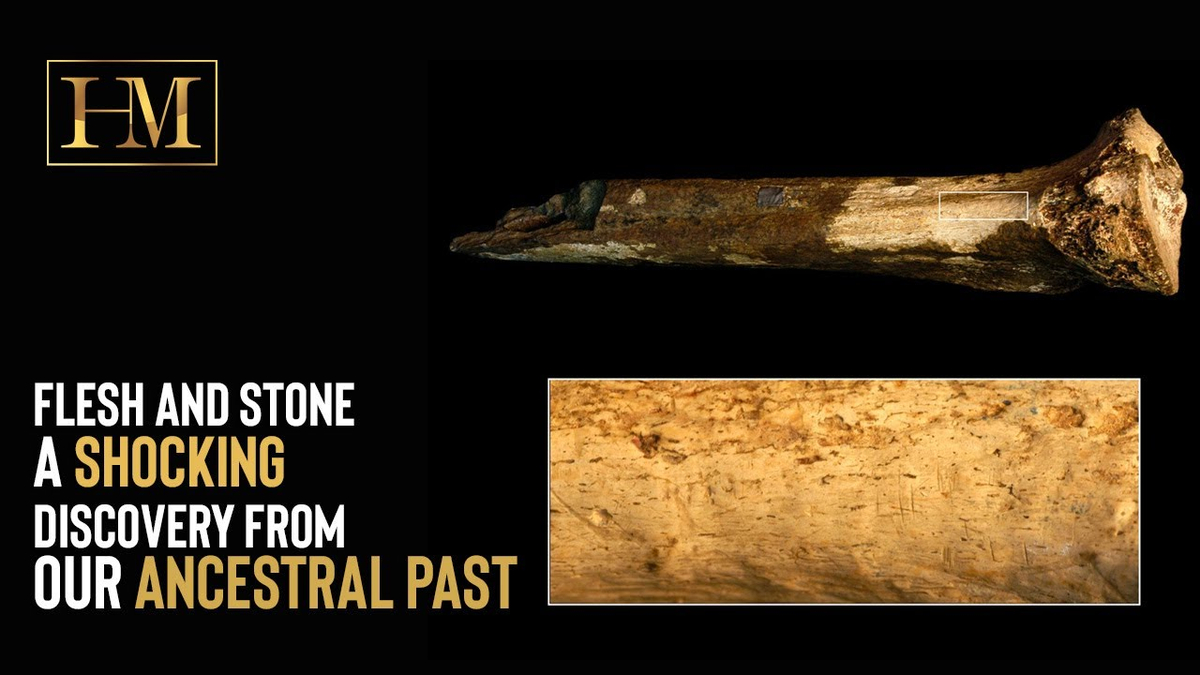
A landmark discovery was made at the National Museums of Kenya in Nairobi, revealing the earliest known evidence of cannibalism. Researchers examined a 1.45-million-year-old fossilized hominin leg bone that bore unmistakable cut marks made by stone tools.
This finding sheds new light on the behaviors of early human ancestors, challenging previous understanding of their dietary practices. The cut marks on the bone indicate that it was defleshed using sharp tools, suggesting that the individual may have been butchered for consumption. The presence of tool marks points to a level of sophistication in early hominin behavior previously unknown.
The significance of this discovery extends beyond anthropological research, offering insights into the social dynamics and nutritional habits of our ancient relatives. It underscores the harsh realities of survival in prehistoric times, where cannibalism may have been a strategy for obtaining essential nutrients or dealing with food scarcity.
By uncovering this evidence of cannibalism, scientists have opened up new avenues for exploring the complexities of early hominin societies and the challenges they faced. This discovery prompts a reevaluation of long-held assumptions about the dietary practices and cultural behaviors of our distant ancestors, inviting further study and analysis.
As this groundbreaking research continues to capture global attention, it serves as a reminder of the rich archaeological heritage found in Kenya and the invaluable contributions of the National Museums of Kenya to our understanding of human evolution.
#CannibalismDiscovery #EarlyHominins #NationalMuseumKenya #StoneToolMarks #AncientDietaryPractices

Explore the Life Moments of
 AI Twin