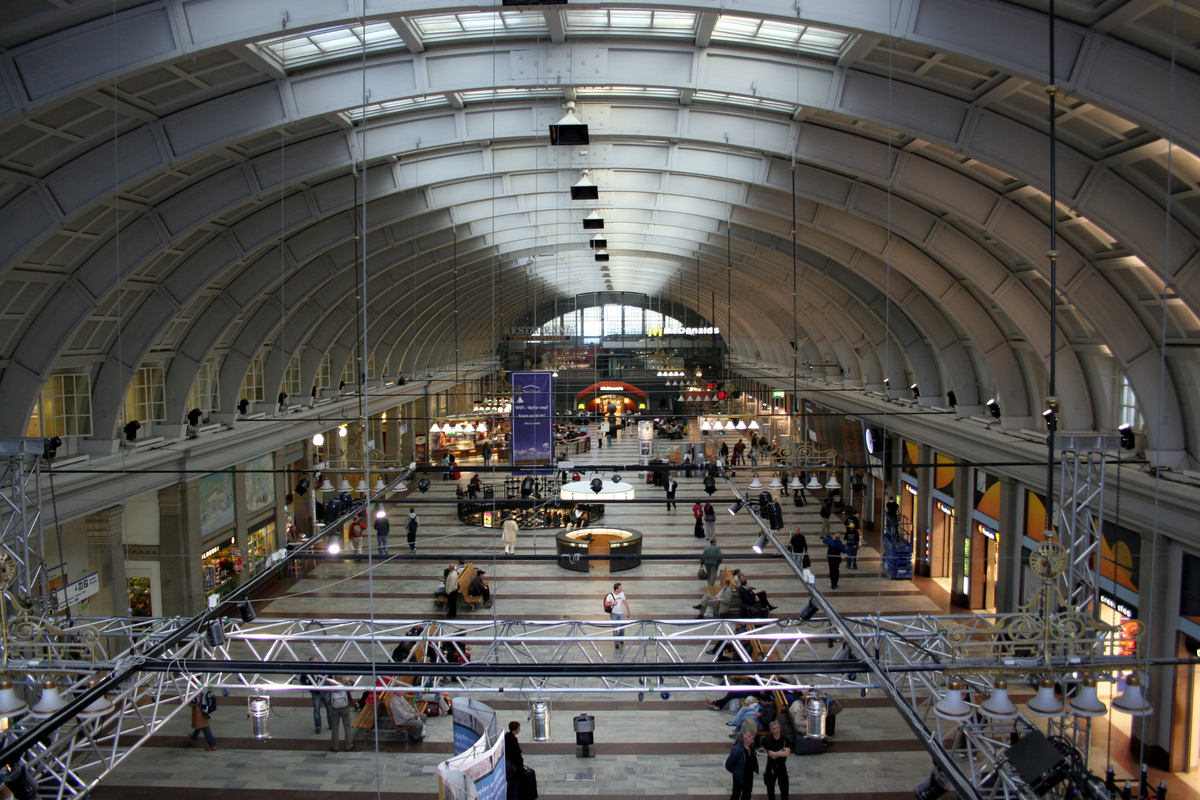
Berlin central station unveils, enhancing transportation connections in the city for commuters and tourists.
Germany
Infrastructure
Tourism
7 min read
Updated By: History Editorial Network (HEN)
Published:
On May 26, 2006, Berlin Central Station (Berlin Hauptbahnhof) was officially unveiled, marking a significant milestone in Germany's transportation infrastructure. This state-of-the-art station, located at the heart of Berlin, transformed the city's connectivity for both commuters and tourists, enhancing the overall efficiency and experience of rail travel in the region.
Background and Construction
The Berlin Hauptbahnhof project was a monumental engineering and architectural endeavor, spearheaded by the renowned architect Meinhard von Gerkan. The construction of the station began in 1995, following the reunification of Germany, with the aim to create a central transportation hub that could handle the increasing flow of passengers and become a symbol of the newly unified Berlin.
The station is built on the site of the former Lehrter Bahnhof, which had been a key transportation hub until it was heavily damaged during World War II and subsequently demolished. The design of the new Hauptbahnhof sought to integrate modern aesthetics with practical functionality, creating a space that was not only a transportation nexus but also an architectural landmark.
Architectural Features
Berlin Hauptbahnhof is an architectural marvel, characterized by its glass facade and intricate steel structures. The station boasts five levels, including two main train levels with tracks for long-distance, regional, and local trains. The upper level features east-west tracks, while the lower level accommodates north-south routes, ensuring seamless connectivity across various parts of Germany and beyond.
One of the most striking features of the station is its vast glass roof, which spans the length of the building, allowing natural light to flood the concourses and platforms. This design not only creates a welcoming atmosphere but also enhances energy efficiency by reducing the need for artificial lighting during the day.
Impact on Transportation
The inauguration of Berlin Hauptbahnhof significantly improved transportation links within Berlin and between the city and other major destinations. It became the central node in Germany's railway network, facilitating efficient travel across Europe. The station serves numerous high-speed ICE (InterCity Express) trains, regional trains, and S-Bahn services, providing comprehensive coverage and frequent service to various destinations.
For commuters, the station offers a convenient and efficient transit point, with easy access to Berlin's extensive public transportation system, including buses, trams, and the U-Bahn (subway). This interconnected network allows seamless transitions between different modes of transport, making daily commutes faster and more comfortable.
Tourist Attraction and Cultural Hub
Beyond its practical functionality, Berlin Hauptbahnhof has also become a notable tourist attraction and cultural hub. The station's central location makes it an ideal starting point for exploring Berlin's numerous historical and cultural landmarks, such as the Brandenburg Gate, Reichstag building, and Museum Island.
The station itself hosts various shops, restaurants, and cafes, offering a wide range of services and amenities to travelers and visitors. It is a bustling center of activity, reflecting the dynamic and cosmopolitan spirit of Berlin.
Hashtags
#MomentsOfLife #MoofLife_Moment #MoofLife #BerlinHauptbahnhof #TransportationHistory #ArchitecturalMarvel #BerlinLandmarks
Primary Reference
Berlin Hauptbahnhof - Wikipedia

Explore the Life Moments of
 AI Twin