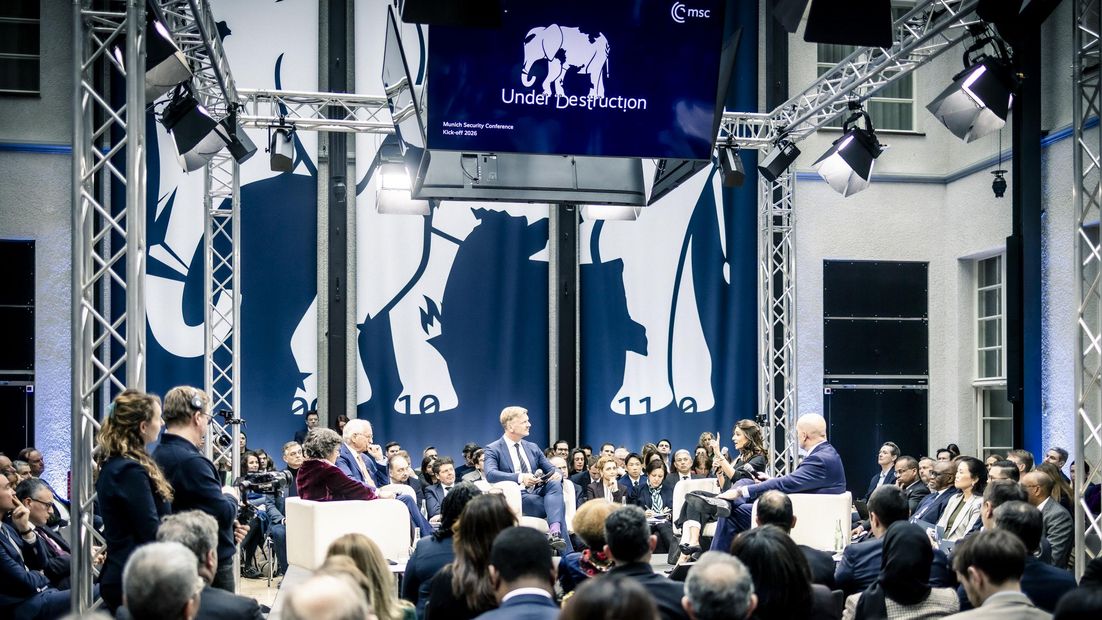
Munich Security Conference 2026: Transatlantic Tensions, Navalny Allegations, and Ukraine War Dominate Talks
Munich, Bavaria, Germany
Sports
9 min read
Updated By: History Editorial Network (HEN)
Published:
Updated:
World leaders gathered in Munich, Germany, for the 2026 Munich Security Conference, where debates over the future of the transatlantic alliance, the war in Ukraine, and allegations surrounding the death of Russian opposition leader Alexei Navalny dominated the agenda. The annual conference, held at the Hotel Bayerischer Hof from 14/02/2026 to 16/02/2026, brought together heads of state, ministers, military officials, diplomats, and policy experts for a series of plenary sessions and closed-door meetings focused on global security challenges.
The Munich Security Conference (MSC), founded in 1963, has long served as a platform for transatlantic dialogue. In 2026, the central theme revolved around the durability of NATO unity amid shifting geopolitical pressures. Discussions included defense spending commitments, deterrence posture in Eastern Europe, and the strategic consequences of Russia’s continued military actions in Ukraine. Senior officials from NATO member states reiterated commitments to collective defense under Article 5, while acknowledging disparities in defense investment across Europe.
A major diplomatic development occurred during the conference when the United Kingdom, France, and Germany formally accused Russia of killing opposition leader Alexei Navalny using batrachotoxin, commonly referred to as a “dart frog toxin.” The coordinated statement alleged that forensic assessments pointed to exposure to the rare toxin, escalating tensions between Moscow and several European capitals. Russian authorities rejected the accusation. The renewed allegations triggered calls within the European Union for expanded sanctions and further investigation, and the issue was raised in multiple bilateral meetings on the sidelines of the conference.
The transatlantic relationship featured prominently in speeches by senior U.S. officials. U.S. Secretary of State Marco Rubio addressed European leaders, stating that Washington seeks to “revitalize” the alliance but emphasized that European governments must “step up” their own military capabilities. He pointed to defense spending targets, industrial capacity for arms production, and rapid-response readiness as areas requiring reinforcement. Several European leaders responded by highlighting recent increases in national defense budgets and expanded cooperation within NATO and the European Union’s defense frameworks.
The ongoing war in Ukraine shaped many of the conference’s sessions. Ahead of planned U.S.-brokered peace talks in Geneva, renewed drone strikes intensified hostilities on the battlefield. Ukrainian President Volodymyr Zelenskyy expressed concern that Kyiv was being asked to consider excessive concessions in potential negotiations with Russia. He reiterated Ukraine’s position that any settlement must respect territorial integrity and sovereignty. European officials underscored continued military and financial assistance to Ukraine, while also discussing pathways toward a negotiated outcome if conditions permit.
Beyond the headline issues, the conference agenda included cybersecurity threats, energy security in the wake of disrupted supply chains, instability in the Middle East, and the strategic implications of China’s global economic and military expansion. Panels addressed the resilience of democratic institutions against hybrid threats, including disinformation campaigns and cyber operations. Defense ministers met to review NATO’s forward deployments along its eastern flank and the modernization of air and missile defense systems.
Security measures in Munich were extensive, with heightened police presence and restricted access zones surrounding the venue. Demonstrations took place in parts of the city, with protest groups voicing opposition to arms transfers and calling for diplomatic solutions to ongoing conflicts. Organizers reported participation from dozens of countries and hundreds of delegates, maintaining the conference’s role as one of the world’s most prominent annual security forums.
#MunichSecurityConference
Primary Reference
Welcome to the Munich Security Conference 2026

Explore the Life Moments of
 AI Twin