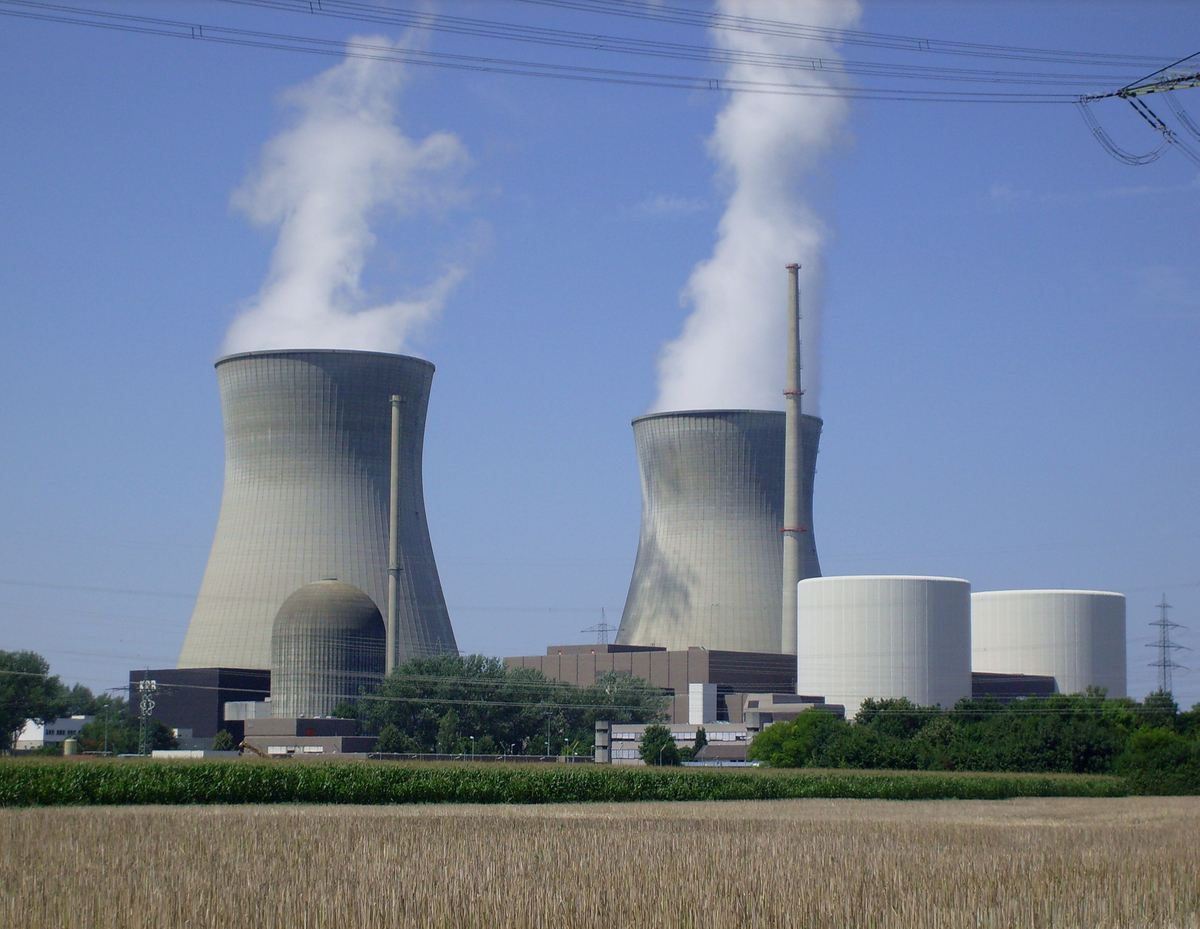
Ending of nuclear power plants in Germany: a comprehensive phase-out.
Germany

Environmental
Energy
3 min read
Updated By: History Editorial Network (HEN)
Published:
Germany made a strategic decision to phase out all of its nuclear power plants, marking a significant shift in the country's energy policy. This decision was driven by public concerns over safety and environmental impact, as well as the increasing focus on renewable energy sources. The phase-out plan had been in motion for years, with the government gradually reducing its reliance on nuclear power.
The closure of the nuclear power plants had a profound impact on Germany's energy landscape, requiring a greater emphasis on alternative sources such as wind, solar, and hydroelectric power. The country's transition to renewable energy sources was accelerated as a result of this move, positioning Germany as a global leader in sustainable energy practices.
The decision to phase out nuclear power plants also had economic implications, as the country had to invest in new infrastructure and technologies to support the transition. Despite the challenges, Germany saw this as a crucial step towards achieving its climate goals and reducing its carbon footprint.
Overall, Germany's decision to phase out all nuclear power plants was a significant milestone in its efforts to prioritize safety, sustainability, and innovation in the energy sector. #Germany #NuclearPhaseOut #RenewableEnergy #Sustainability
Primary Reference
The Nuclear Phase-Out in Germany

Explore the Life Moments of
 AI Twin