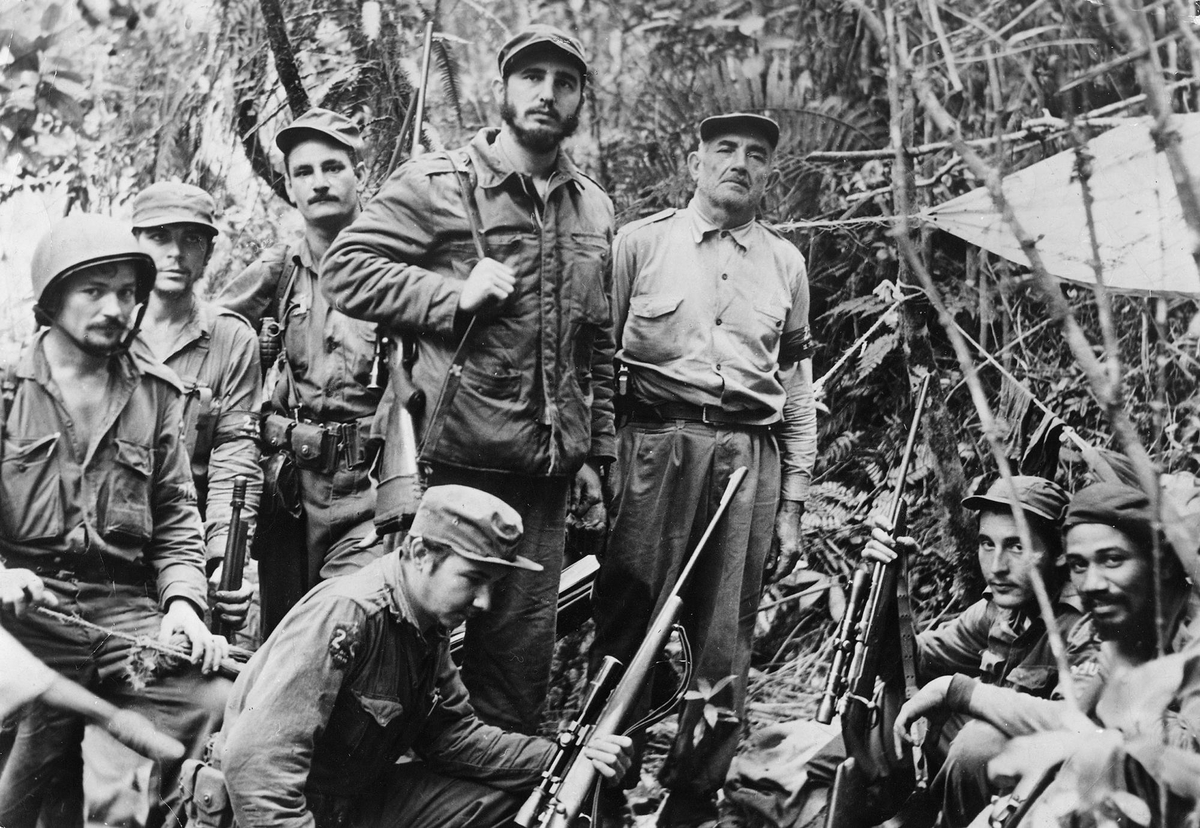
Fidel Castro's rise to power
Cuba
Political
Social
3 min read
Updated By: History Editorial Network (HEN)
Published:
After the Cuban Revolution, Fidel Castro rose to power and became the Prime Minister of Cuba. Leading a guerilla campaign against the previous regime, Castro's forces overthrew the government, leading to a significant shift in Cuban politics. With a focus on social reforms and anti-imperialist policies, Castro nationalized industries and redistributed land, aiming to reduce social inequality on the island.
As Prime Minister, Castro implemented sweeping changes, including the establishment of diplomatic relations with the Soviet Union and the nationalization of American-owned businesses. These actions had a profound impact on Cuba's economy and foreign relations, leading to tensions with the United States and eventually the Cuban Missile Crisis.
Castro's leadership polarized opinion, with supporters lauding his socialist agenda while critics condemned his authoritarian rule and suppression of dissent. Nevertheless, his tenure as Prime Minister marked a turning point in Cuban history, shaping the island's trajectory for decades to come.
#FidelCastro #CubanRevolution #SocialReforms #ForeignRelations #Nationalization #Cuba #PrimeMinister
Explore the Life Moments of
 AI Twin