Cuban-American Treaty of Relations of 1934
Cuba
Political
Economic Downturn
6 min read
Updated By: History Editorial Network (HEN)
Published:
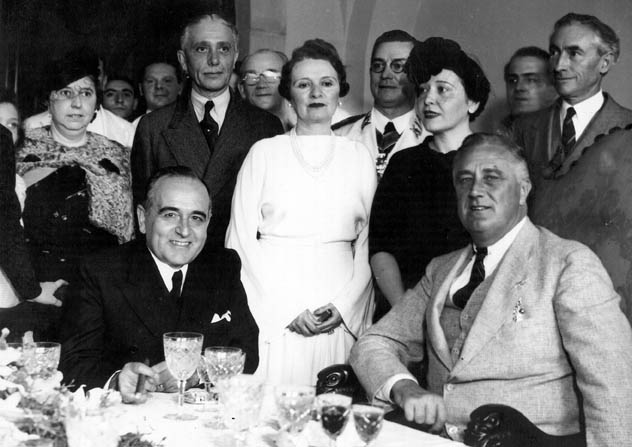
The Cuban-American Treaty of Relations of 1934 was a key element of President Franklin D. Roosevelt's Good Neighbor Policy, designed to improve relations with Latin American countries, particularly Cuba. This treaty represented a significant departure from the United States' previous interventionist approach and sought to foster a more equal and respectful partnership with its southern neighbor.
The Good Neighbor Policy
Upon taking office in 1933, President Franklin D. Roosevelt introduced the Good Neighbor Policy, which aimed to improve relations with Latin American countries by reducing direct intervention and promoting mutual respect and cooperation. This policy was a strategic shift from the previous "Big Stick" diplomacy and was intended to counteract growing nationalist and anti-American sentiments in the region.
Economic and Diplomatic Relations Post-Treaty
In the years following the treaty, the economic and diplomatic relations between Cuba and the United States improved, albeit within a framework of continued economic dependency. The United States remained Cuba's primary trading partner, and American businesses continued to have a substantial presence on the island. However, the political landscape was more balanced, allowing Cuban leaders greater autonomy in domestic governance.
Long-term Consequences
While the 1934 treaty marked a positive shift, it did not completely eliminate U.S. influence in Cuba. The continued economic dependency on American markets and investments, coupled with the presence of Guantanamo Bay, meant that the relationship remained complex and occasionally fraught. Nonetheless, the treaty laid the groundwork for a more balanced and respectful partnership.
The nationalist sentiments and aspirations for complete sovereignty that were bolstered by the treaty would later contribute to the revolutionary fervor that culminated in the Cuban Revolution of 1959, led by Fidel Castro. This revolution radically transformed U.S.-Cuban relations, leading to a new era of confrontation and conflict.
The Cuban-American Treaty of Relations of 1934 was a pivotal moment in the history of U.S.-Cuban relations and a cornerstone of Roosevelt’s Good Neighbor Policy. By abrogating the Platt Amendment, the treaty restored significant aspects of Cuban sovereignty and marked a shift towards more equitable and respectful international relations. While challenges and complexities.
#CubanAmericanRelations #TreatyOfRelations1934 #PlattAmendment #GoodNeighborPolicy #FDR #CubanHistory #USHistory #Sovereignty #Diplomacy #MomentsOfLife #MoofLife_Moment #MoofLife
Primary Reference
A Guide to Emergency Powers and Their Use | Brennan Center for ...
Explore the Life Moments of
 AI Twin