The Cuban Missile Crisis: A World on the Brink
Cuba

Political
Global Trade
3 min read
Updated By: History Editorial Network (HEN)
Published:
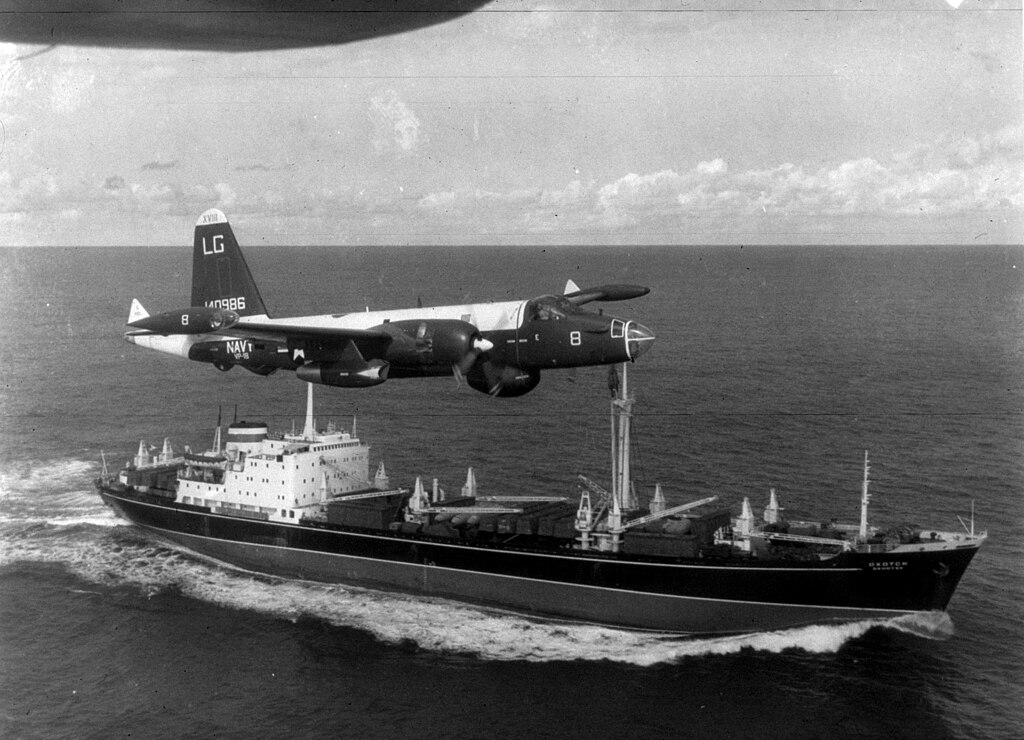
In October 1962, the world found itself on the brink of nuclear war during the Cuban Missile Crisis. The tension between the United States and the Soviet Union had been escalating for years, with the Cold War causing a constant power struggle. The Soviet Union decided to secretly place nuclear missiles in Cuba, just 90 miles off the coast of the United States, in response to American missiles placed in Turkey.
When U.S. intelligence discovered the missile sites in Cuba, President John F. Kennedy demanded their removal and announced a naval blockade of the island. For nearly two weeks, the world held its breath as the two superpowers engaged in intense negotiations, with the threat of nuclear war looming large.
Ultimately, the crisis was defused when Soviet Premier Nikita Khrushchev agreed to remove the missiles in exchange for a U.S. pledge not to invade Cuba and secretly remove American missiles from Turkey. The Cuban Missile Crisis was a defining moment of the Cold War, highlighting the catastrophic consequences of nuclear conflict and the importance of communication and diplomacy in times of crisis.
#CubanMissileCrisis #ColdWar #NuclearWar #Diplomacy #Tension
Primary Reference
Cuban Missile Crisis | JFK Library
Explore the Life Moments of
 AI Twin