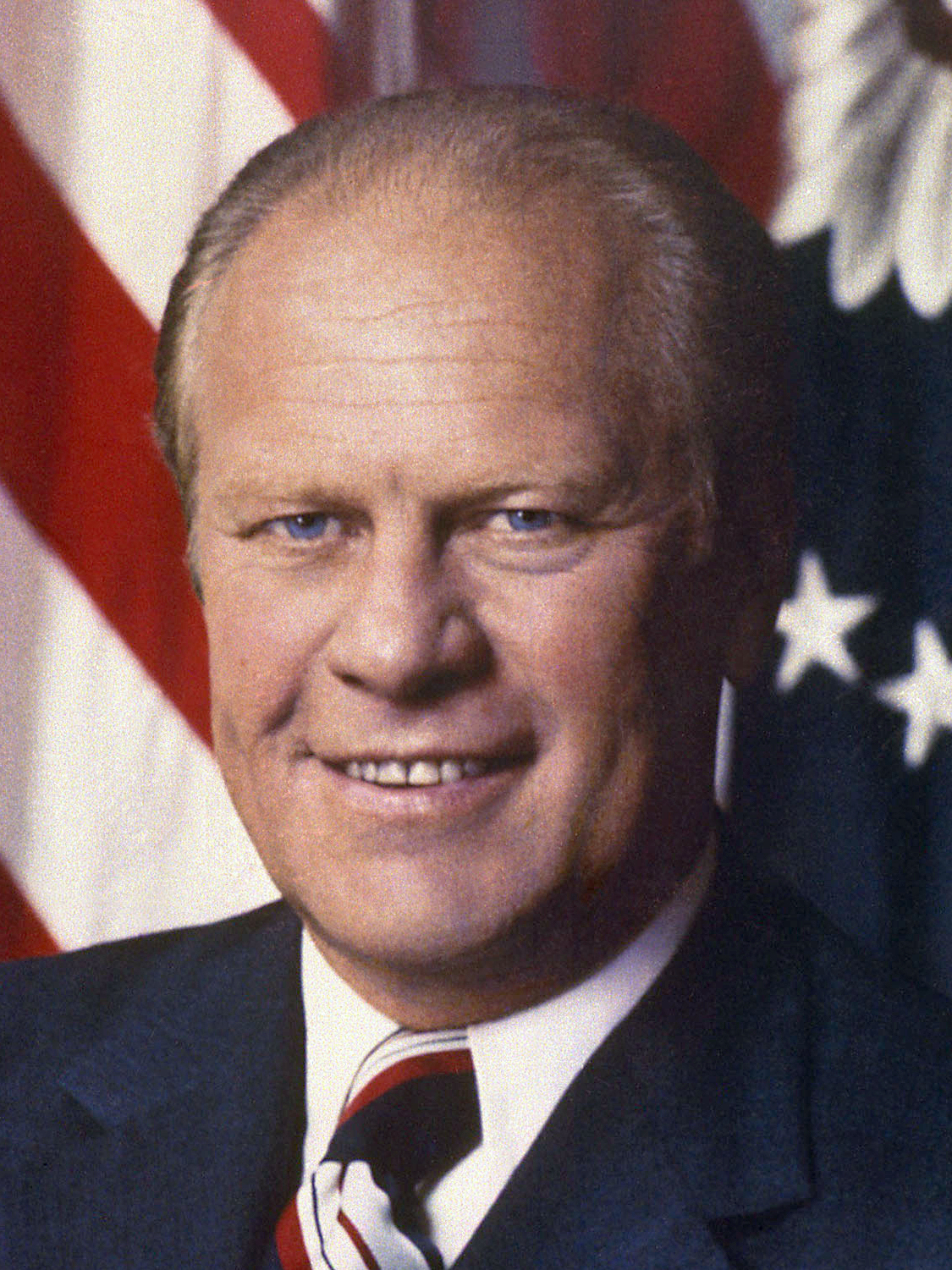
US President Gerald Ford declares an end to the "Vietnam Era".
Vietnam
8 min read
Updated By: History Editorial Network (HEN)
Published:
On May 7, 1975, U.S. President Gerald Ford declared an official end to the "Vietnam Era," marking a significant moment in American history and bringing closure to a conflict that had deeply divided the nation. This announcement came just days after the fall of Saigon on April 30, 1975, which effectively ended the Vietnam War with the victory of North Vietnamese forces and the unification of Vietnam under communist control.
Context and Background
The Vietnam War, which spanned from November 1, 1955, to April 30, 1975, was a protracted conflict that pitted the communist forces of North Vietnam and their allies in the Viet Cong against South Vietnam and its principal ally, the United States. The war was part of the broader context of the Cold War, wherein the U.S. aimed to prevent the spread of communism through its policy of containment.
The U.S. involvement in Vietnam escalated significantly in the 1960s, leading to widespread anti-war sentiment, social unrest, and political turmoil within the United States. The war saw significant casualties, with millions of Vietnamese and over 58,000 American soldiers losing their lives. The conflict also left a lasting impact on American society, politics, and foreign policy.
The Fall of Saigon
On April 30, 1975, the capital of South Vietnam, Saigon, fell to North Vietnamese forces. This event marked the collapse of the South Vietnamese government and the end of the war. The iconic images of helicopters evacuating Americans and Vietnamese from the U.S. embassy rooftop in Saigon became symbols of the chaotic end to America's involvement in Vietnam.
President Ford's Declaration
In his address on May 7, 1975, President Gerald Ford stated, "The Vietnam era is ended. The war is over." This declaration was part of a broader effort to heal the nation and move forward from the divisive and traumatic experiences of the Vietnam War.
Ford's statement came during a time when the United States was grappling with the aftermath of the war, including the challenges faced by returning veterans, the social and political divisions it had caused, and the need to rebuild both domestic and international confidence in American leadership.
Implications and Aftermath
Veterans and Healing: President Ford's declaration was an acknowledgment of the sacrifices made by American soldiers and a step towards addressing the needs of Vietnam War veterans. Many veterans faced physical, emotional, and psychological challenges, including post-traumatic stress disorder (PTSD), and struggled with reintegration into civilian life.
Political and Social Impact: The end of the Vietnam War marked a significant shift in American politics and society. The war had eroded trust in government institutions, leading to increased skepticism and a more questioning attitude towards U.S. foreign policy decisions. It also contributed to the rise of various social movements and changes in public attitudes towards war and military intervention.
Foreign Policy Reevaluation: The Vietnam War prompted a reevaluation of U.S. foreign policy. The concept of the "Vietnam Syndrome" emerged, describing the reluctance of the United States to engage in military interventions abroad due to the fear of becoming entangled in another protracted and unpopular conflict. This influenced U.S. foreign policy for years to come, emphasizing a more cautious and strategic approach to international engagements.
Vietnam and Southeast Asia: For Vietnam, the end of the war meant reunification under communist rule and the beginning of a long period of reconstruction and reconciliation. The war had left the country devastated, with significant human, economic, and infrastructural losses. Over time, Vietnam began to rebuild and eventually opened up to economic reforms and international integration.
#MomentsOfLife #MoofLife_Moment #MoofLife #VietnamWar #EndOfVietnamWar #GeraldFord #VietnamEra #ColdWarHistory #AmericanHistory #USForeignPolicy
Explore the Life Moments of
 AI Twin