Adoption of Doi Moi Economic Reforms
Vietnam
Economic Transformation
Global Trade
4 min read
Updated By: History Editorial Network (HEN)
Published:
The Doi Moi economic reforms marked a pivotal moment in Vietnam's history. Initiated in response to the country's struggling economy and inefficient centralized planning, these reforms aimed to transition Vietnam towards a socialist-oriented market economy.
The background leading up to the Doi Moi reforms was characterized by economic stagnation and scarcity resulting from years of war and misguided policies. The Vietnamese government recognized the need for change and began implementing measures to liberalize the economy, encourage private enterprise, and attract foreign investment.
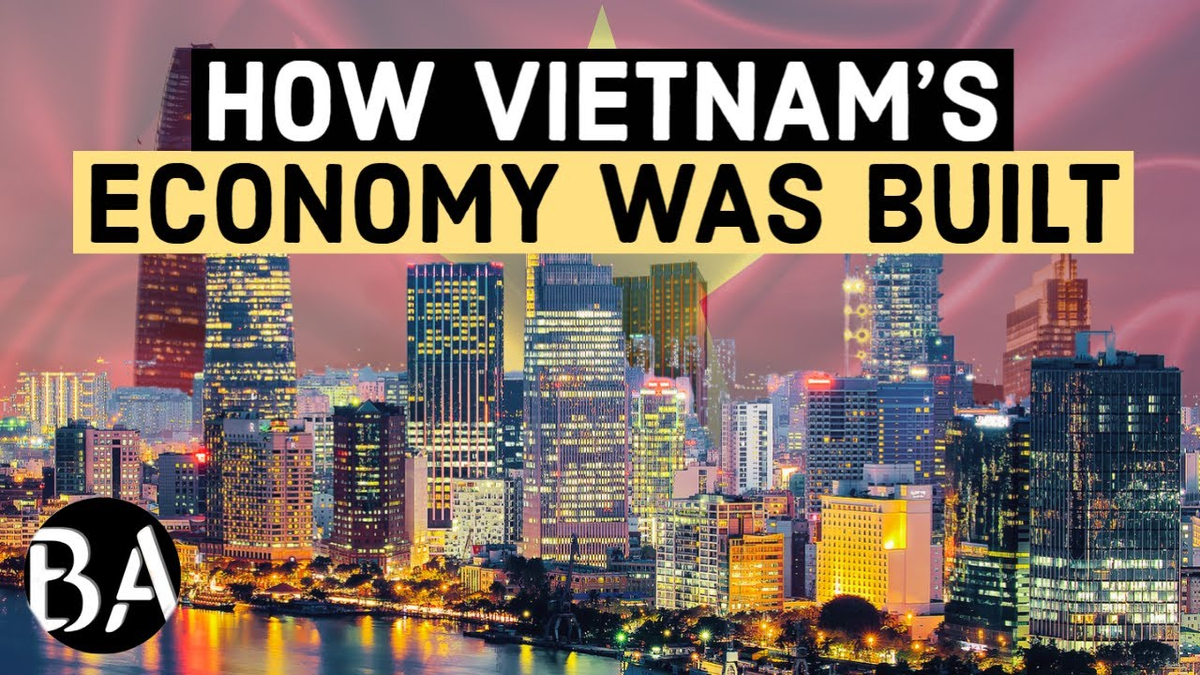
The impact of the Doi Moi reforms was substantial, leading to significant growth in Vietnam's GDP, expansion of trade and investment, and poverty reduction. These reforms transformed Vietnam into one of the fastest-growing economies in the region, attracting foreign companies eager to capitalize on the country's potential.
Key facts about the Doi Moi reforms include the introduction of market-oriented policies, decentralization of economic decision-making, and the establishment of special economic zones to promote foreign investment. These changes spurred rapid industrialization and urbanization, propelling Vietnam towards becoming a dynamic emerging market.
The Doi Moi economic reforms revolutionized Vietnam's economy, creating new opportunities for growth and development. Despite challenges and inequalities that arose as a result of these reforms, Vietnam's transformation into a market-oriented economy has been largely successful, positioning the country as a key player in the global economy.
#Vietnam #DoiMoi #EconomicReforms #MarketOriented #Growth

Explore the Life Moments of
 AI Twin