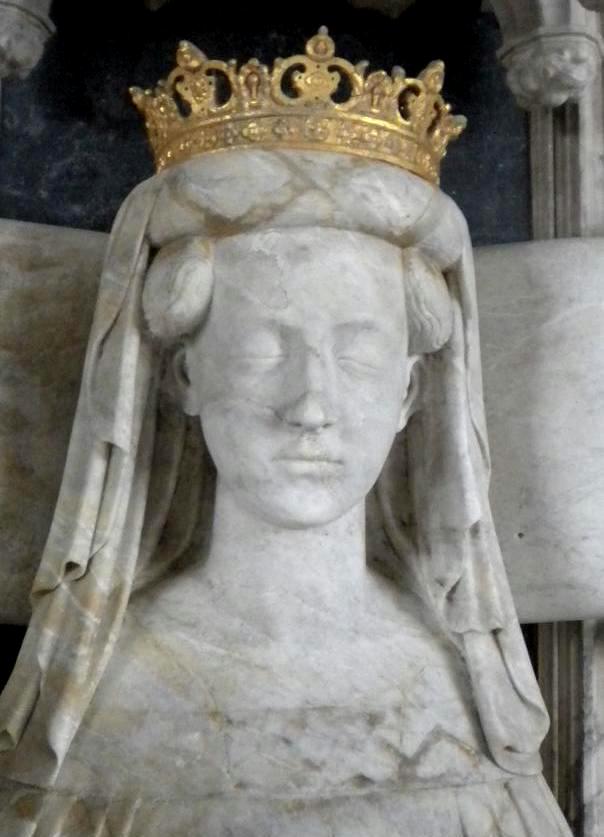
Queen Margaret I ascends to power in Sweden under the Kalmar Union agreement.
Sweden

Political
3 min read
Updated By: History Editorial Network (HEN)
Published:
Amidst the dynamics of medieval Scandinavian politics, Queen Margaret I of Denmark ascended to power in Sweden following the establishment of the Kalmar Union agreement. This union aimed to consolidate the three Nordic kingdoms of Denmark, Norway, and Sweden under a single monarch to promote unity and cooperation. Margaret's rise to rule Sweden was a strategic move to exert Danish influence over the region and strengthen the union's political stability.
Queen Margaret's rule marked a significant shift in power dynamics in the region, as she centralized authority and implemented reforms to harmonize governance across the three kingdoms. Her assertive leadership style and diplomatic prowess enabled her to navigate complex rivalries and establish a more cohesive union. The Kalmar Union facilitated economic growth, improved security, and promoted cultural exchange among the member states.
The union faced challenges, including resistance from local nobles and periodic conflicts, yet it endured for several centuries before its eventual dissolution. Queen Margaret's legacy as a shrewd and influential ruler in medieval Scandinavia is a testament to her lasting impact on the region's political landscape.
#QueenMargaret #KalmarUnion #MedievalScandinavia #PoliticalUnity
Primary Reference
Kalmar Union - Wikipedia

Explore the Life Moments of
 AI Twin