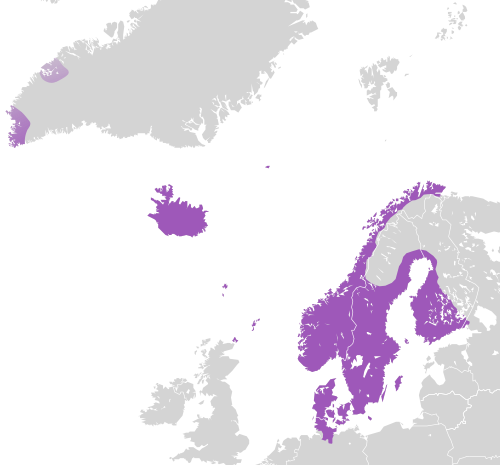
Union of Kalmar: Centuries under a Single Monarch - Denmark, Norway, Iceland united.
Sweden

Political
3 min read
Updated By: History Editorial Network (HEN)
Published:
Updated:
In 1397, the Union of Kalmar brought together Denmark, Norway, and Iceland under one monarch for an extended period. This union aimed to strengthen the political control over the territories and enhance economic and military cooperation. Margrete I, the Queen of Denmark, played a pivotal role in the formation of this union, which lasted for centuries.
The Union of Kalmar had a significant impact on the territories involved. It allowed for more centralized governance and facilitated trade and cultural exchange among the regions. However, tensions arose over time due to the unequal treatment of the constituent countries and power struggles within the union.
One of the most notable outcomes of the Union of Kalmar was the eventual separation of Sweden from the union in 1523, leading to the dissolution of the once-united territories. This event marked a turning point in the history of Scandinavia, as it paved the way for the emergence of independent nation-states in the region.
The legacy of the Union of Kalmar continues to influence the historical narratives of Denmark, Norway, Iceland, and Sweden, highlighting the complexities of political alliances and the challenges of maintaining unity among diverse regions. #UnionofKalmar #ScandinavianHistory #MonarchicalUnion #RegionalIntegration
Primary Reference
Kalmar Union - Wikipedia

Explore the Life Moments of
 AI Twin