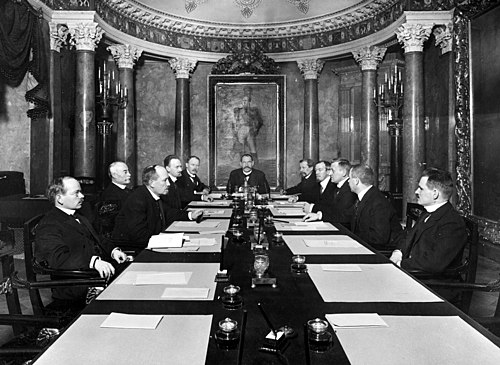
Finland gains independence, ending shared history with Sweden in historical milestone.
Sweden
Political
Global Trade
3 min read
Updated By: History Editorial Network (HEN)
Published:
Updated:
In 1917, Finland achieved independence from Sweden, marking the end of centuries of shared history between the two nations. The relationship between Finland and Sweden dated back to the Middle Ages when Finland was a part of the Swedish kingdom. Over the years, Finland had gained increasing autonomy but remained within the Swedish realm.
The move towards independence was propelled by a combination of factors, including internal political shifts within Finland and the broader geopolitical changes surrounding World War I. The Finnish people asserted their national identity and desire for self-governance, leading to the declaration of independence.
The gaining of independence had a profound impact on both countries. Finland embarked on a journey of nation-building and establishing itself as a sovereign state. On the other hand, Sweden lost a significant part of its historical territory.
The event marked a turning point in the history of both nations, reshaping their relationship and setting the course for their future interactions as independent states. It symbolized Finland's emergence as an independent player on the global stage while reaffirming Sweden's distinct identity.
#FinlandIndependence #SharedHistory #SwedenFinlandRelations
Primary Reference
The history of the Nordic Region | Nordic cooperation

Explore the Life Moments of
 AI Twin