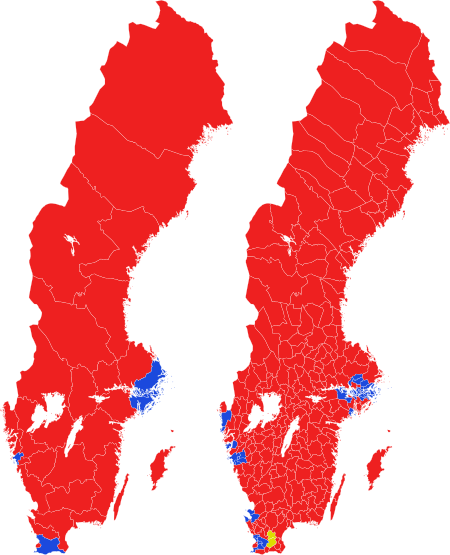
Löfven becomes Prime Minister after winning national elections.
Sweden

Political
Social Welfare
3 min read
Updated By: History Editorial Network (HEN)
Published:
Updated:
After national elections, Stefan Löfven was appointed Prime Minister of Sweden. As leader of the Social Democratic Party, Löfven's appointment followed weeks of negotiations to form a coalition government. His leadership marked a return to power for the Social Democrats after a period of center-right governance.
Löfven faced the challenge of addressing economic issues, unemployment rates, and social welfare policies. His government worked to implement reforms focusing on education, healthcare, and the environment, aiming to promote sustainable development and maintain Sweden's welfare state model.
Internationally, Löfven advocated for issues such as climate change, human rights, and gender equality. He aimed to strengthen Sweden's position in the European Union and enhance cooperation within the Nordic region.
Löfven's tenure as Prime Minister was marked by both successes and challenges, with political opposition and shifting coalition dynamics influencing policy-making decisions. Despite facing criticism on certain fronts, he remained a key figure in Swedish politics for several years.
#StefanLöfven #Sweden #PrimeMinister #SocialDemocrats #CoalitionGovernment #WelfareState #Sustainability #EU #NordicCooperation #PolicyMaking

Explore the Life Moments of
 AI Twin