The Rise of Mapungubwe Kingdom

BusinessLegacy
4 min read
Updated By: History Editorial Network (HEN)
Published:
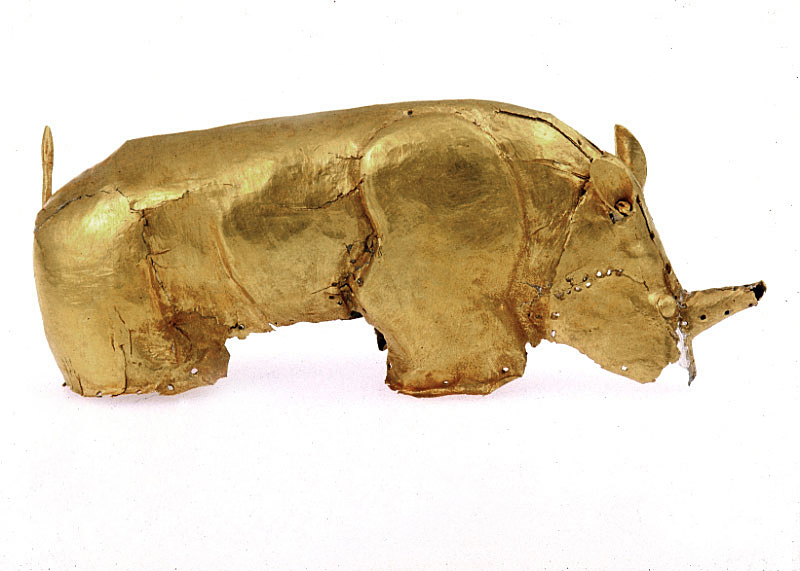
In the early 13th century, the Mapungubwe Kingdom emerged in Southern Africa. Situated at the confluence of the Limpopo and Shashe rivers, Mapungubwe quickly established itself as a powerful trade hub due to its strategic location along well-traveled trade routes. The kingdom was renowned for its production of gold, ivory, and copper, which were highly sought after commodities in the region.
Mapungubwe's rise as a prominent trade center brought great wealth and prosperity to the kingdom. The elite ruling class amassed significant power and influence through their control of trade networks, which extended across present-day South Africa, Zimbabwe, and Botswana. This newfound wealth allowed the kingdom to flourish economically and culturally, leading to the development of advanced social structures and artistic expressions.
The Kingdom of Mapungubwe reached its zenith as a dominant force in Southern Africa during this time, attracting traders from distant lands and establishing diplomatic relations with neighboring states. The kingdom's success in trade not only bolstered its economy but also facilitated cultural exchange and technological advancements in agriculture and metallurgy.
The legacy of the Mapungubwe Kingdom as a powerful trade center continues to be felt in Southern Africa to this day. Its influence on regional trade routes and cultural development laid the foundation for future kingdoms and states in the region. The archaeological remains of Mapungubwe serve as a reminder of the kingdom's once-thriving civilization and its significant contributions to the history of Southern Africa.
#MapungubweKingdom #TradeCenter #SouthernAfrica #CulturalExchange #EconomicProsperity #HistoricalLegacy

Explore the Life Moments of
 AI Twin