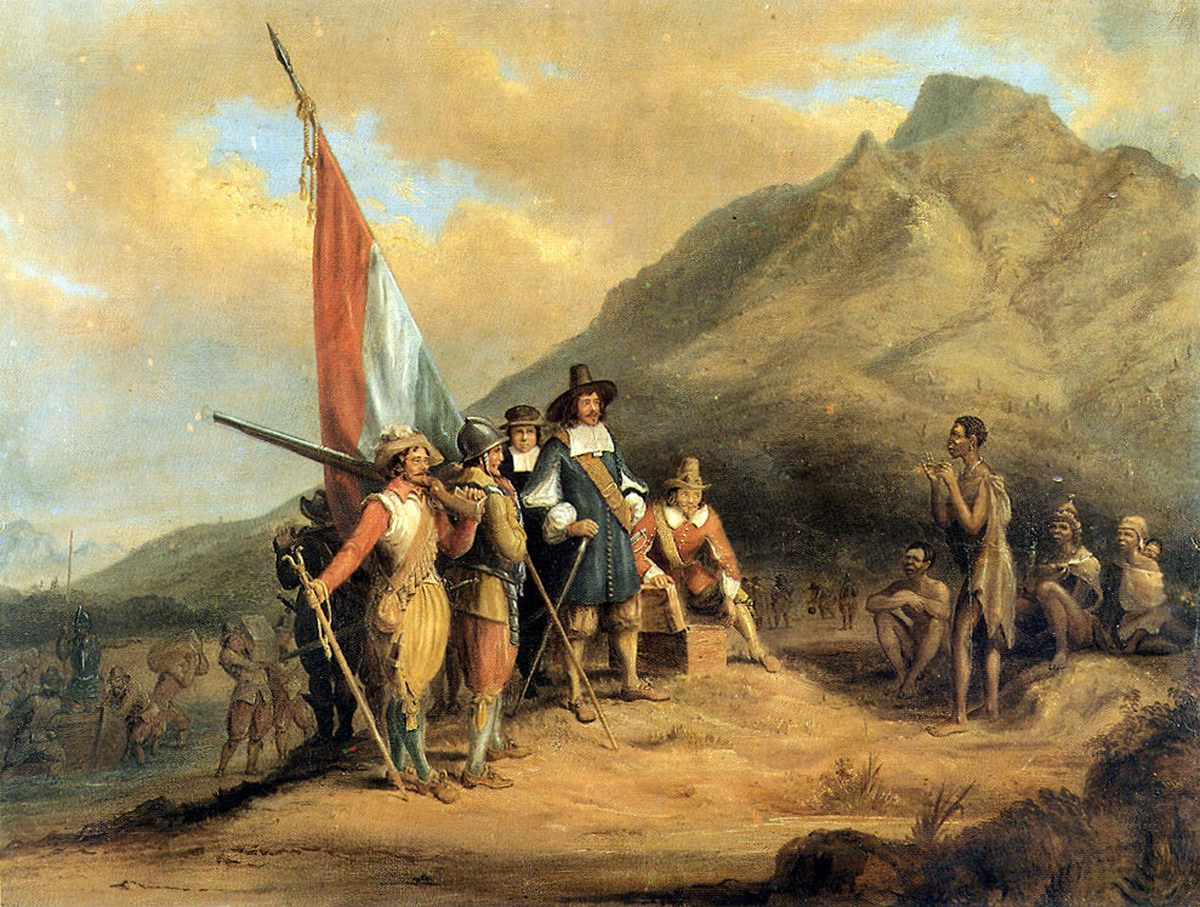
Dutch settlement at Cape Town under Jan van Riebeeck
Cultural
4 min read
Updated By: History Editorial Network (HEN)
Published:
The settlement at Cape Town by the Dutch under Jan van Riebeeck marked the beginning of European colonization in South Africa. The Dutch East India Company aimed to establish a refreshment station for ships traveling to the East Indies, where they could restock on supplies and provisions. Jan van Riebeeck was appointed as the commander of the Cape Colony, leading a small expedition to set up the settlement.
Upon arrival, a suitable site was chosen at the Cape of Good Hope due to its strategic location along the sea route to the East. The Dutch built a fort, gardens, and houses to sustain their presence in the region. They also introduced agriculture, importing seeds and livestock to cultivate the land and provide for the growing settlement.
The establishment of the Cape Town settlement had significant implications for the region. It led to increased interactions between the Dutch settlers and the indigenous Khoikhoi people, shaping the cultural and social dynamics of the area. The Dutch presence also laid the foundation for future European colonization and the eventual establishment of the apartheid system in South Africa.
Over time, Cape Town grew into a bustling hub of trade and commerce, attracting settlers from Europe, Asia, and other parts of Africa. The legacy of Jan van Riebeeck and the Dutch settlement is still visible in Cape Town's architecture, language, and traditions.
Today, Cape Town stands as a vibrant multicultural city, reflecting its complex history of colonization and resistance. The establishment of the settlement at Cape Town by the Dutch under Jan van Riebeeck continues to influence South Africa's political and social landscape.
#DutchColonization #CapeTownSettlement #JanvanRiebeeck #EuropeanExpansion #CulturalInteraction

Explore the Life Moments of
 AI Twin