
Romania

The Gateway to the Balkans
Related Lives

Nepal
The Land of Himalayas

Mayan Civilization
Masters of Time and Stone
Azerbaijan
The Land of Fire

Saint Lucia
The Gem of the Caribbean.

Georgia
The Crossroads of Europe and Asia

Thailand
Land of Smiles

Mauritius
Island Rythms

Benin
The Jewel of West African Culture.

1877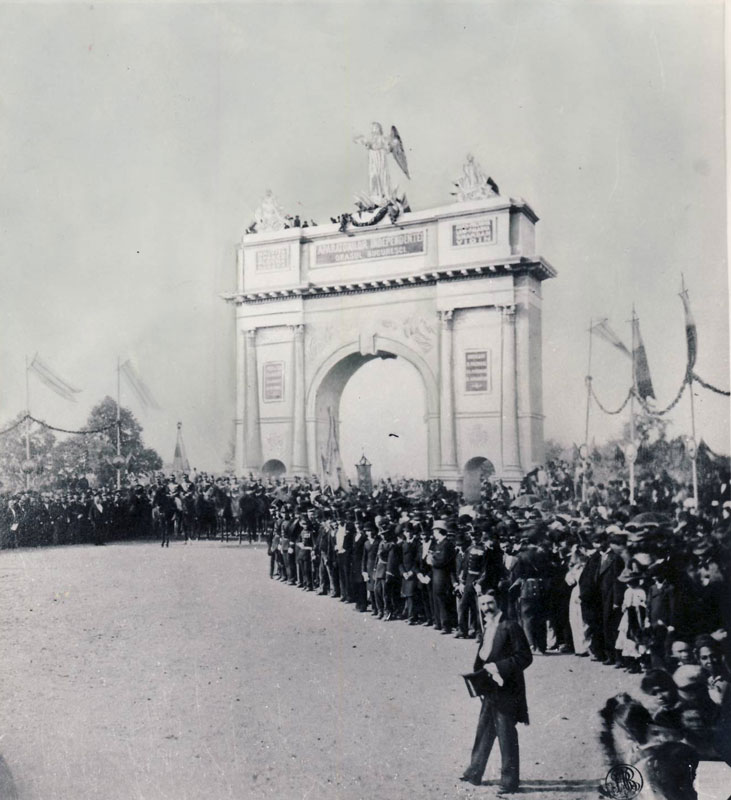
Amidst growing nationalist sentiments in Romania, a crucial turning point transpired when the Romanian War of Independence erupted against the Ottoman Empire. The conflict was instigated by Romania's aspiration for autonomy and liberation from Ottoman control.
The Romanian army, heavily supported by Russia, engaged in fierce battles against the Ottoman forces. The war showcased Romania's unwavering determination for independence, as its troops displayed remarkable courage and resilience on the battlefield.
Following a series of decisive victories, the Treaty of Berlin was signed, formally recognizing Romania's independence. This monumental achievement marked the culmination of years of struggle and marked a significant milestone in Romania's history.
The recognition of Romania's independence not only secured the nation's autonomy but also bolstered its international standing. Romania was now viewed as a sovereign state, capable of charting its own course and shaping its future.
The aftermath of the war brought about a newfound sense of national identity and unity among the Romanian people. The war of independence solidified Romania's place on the world stage and paved the way for further development and progress.
The legacy of the Romanian War of Independence continues to resonate in the collective memory of the Romanian people, serving as a testament to their enduring spirit and resilience in the face of adversity.
#RomanianWarofIndependence #OttomanEmpire #Independence #NationalIdentity #Sovereignty
View details1863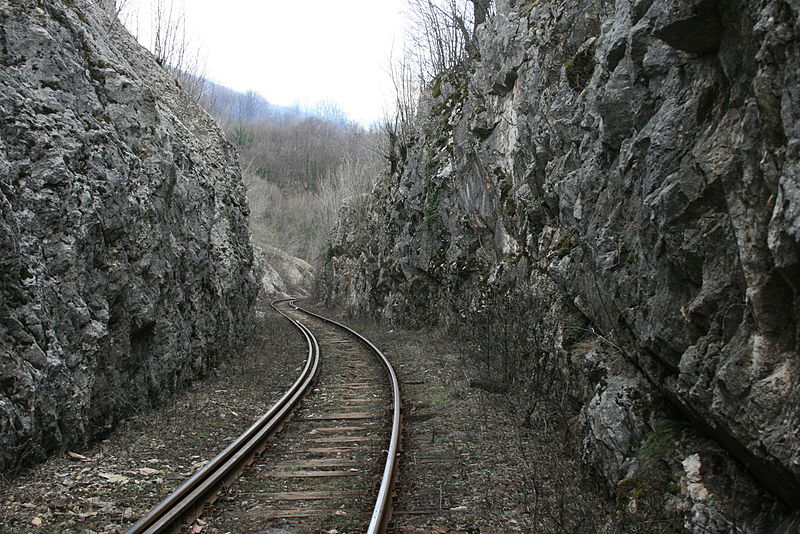
In history, Romania witnessed the inauguration of the Anina-Oravita mountain railway. This engineering feat allowed for the efficient transportation of goods and people between the two towns, revolutionizing connectivity in the region. Spanning over rugged terrain and challenging landscapes, this railway provided a crucial link for the local economy, enabling the transportation of resources and fostering trade opportunities.
The construction of the Anina-Oravita railway marked a significant milestone in Romania's industrial development, showcasing the country's ambition and capability to overcome geographical obstacles. The railway facilitated the movement of coal, timber, and other goods, stimulating economic growth and enhancing accessibility to remote areas. Additionally, it played a vital role in connecting communities and improving communication networks in the region.
The impact of the Anina-Oravita railway was profound, contributing to the modernization of Romania's transportation infrastructure. This project not only supported the industrial sector but also created employment opportunities for the local population. The railway's inauguration represented a symbol of progress and innovation, demonstrating Romania's commitment to advancement and connectivity.
Today, the Anina-Oravita mountain railway stands as a testament to Romania's engineering prowess and historical legacy. It serves as a reminder of the country's rich industrial heritage and its determination to overcome challenges through ingenuity and perseverance. The railway continues to attract tourists and enthusiasts, offering a unique and scenic journey through Romania's picturesque landscapes.
#Romania #RailwayInauguration #IndustrialDevelopment #Connectivity #HistoricalLegacy
View details1860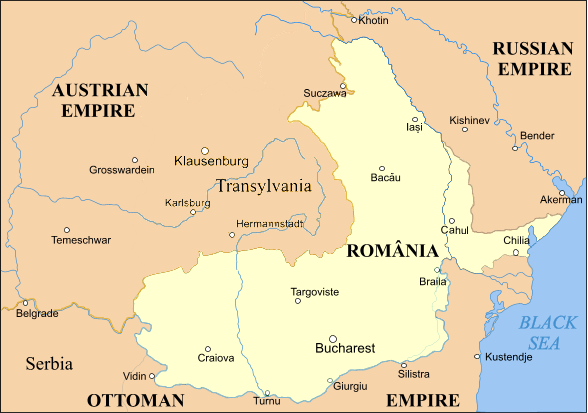
The United Principalities of Moldavia and Wallachia was a significant political development in the history of Romania's unification. Previously, Wallachia and Moldavia were two separate principalities under Ottoman suzerainty. However, in response to growing calls for independence and unity among Romanians living in both regions, the Great Powers of Europe officially recognized the United Principalities.
This recognition marked a crucial step towards Romanian unity and autonomy. The new state had a common government, army, and flag, symbolizing the merging of the two historical regions. The capital was established in Bucharest, a neutral choice between the former capitals of Iași in Moldavia and Târgoviște in Wallachia.
The union brought economic and administrative advantages, fostering improved infrastructure, trade relations, and cultural exchange between the two regions. It also laid the foundation for the eventual creation of modern-day Romania, which would later occur after further political developments.
The United Principalities of Moldavia and Wallachia faced challenges following the union, including political tensions and external pressures. However, the recognition by the Great Powers solidified the legitimacy of the new state and bolstered its position on the international stage.
Overall, the unification of Moldavia and Wallachia into the United Principalities was a pivotal moment in Romanian history, setting the stage for future nation-building efforts and shaping the country's political landscape for years to come.
#RomanianHistory #UnionofPrincipalities #RegionalUnity
View details1812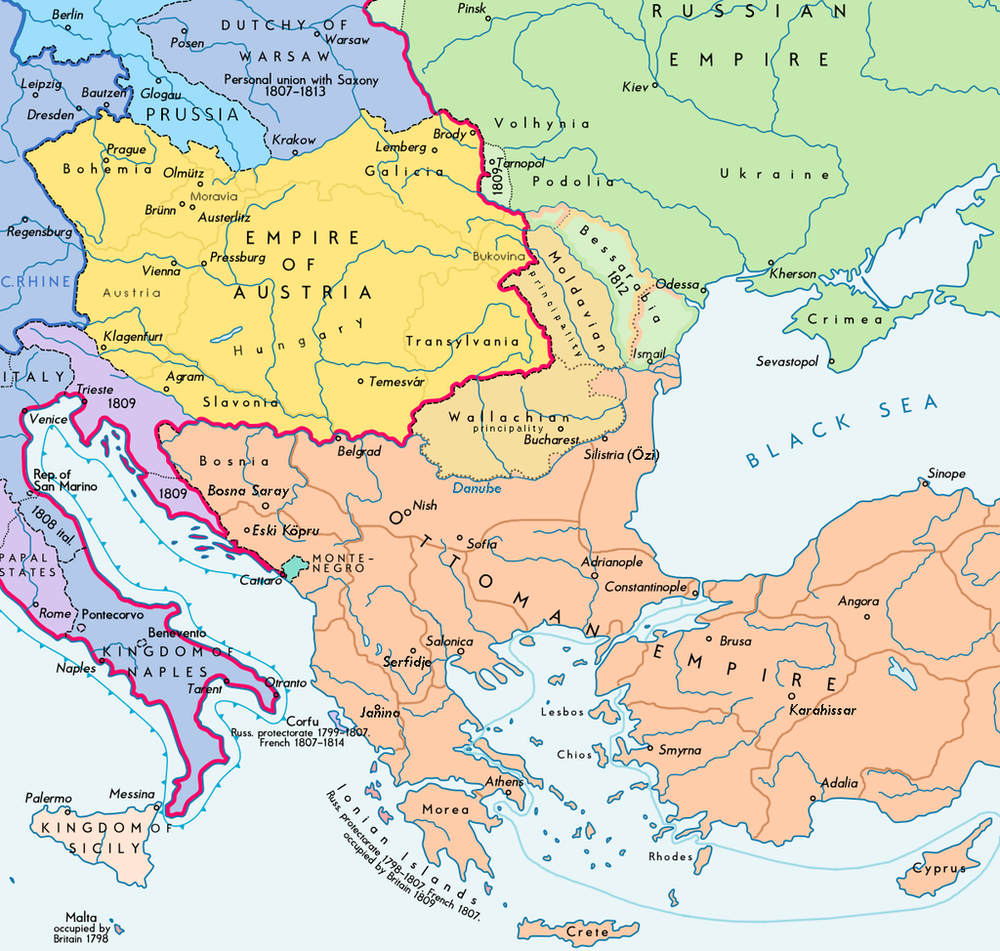
In 1812, the Russo-Turkish War came to an end with the signing of the Treaty of Bucharest. The conflict arose from longstanding territorial disputes and competition for influence in Eastern Europe between the Russian and Ottoman Empires. The war had severe consequences for both sides, with battles fought across the region.
After several years of fighting, the Treaty of Bucharest was negotiated and signed, resulting in territorial concessions to Russia. The Ottoman Empire ceded parts of Bessarabia to Russia, marking a significant gain for the expanding Russian Empire. The treaty also included provisions for prisoner exchanges and the establishment of diplomatic relations between the two powers.
The signing of the Treaty of Bucharest had a lasting impact on the region. It solidified Russia's position as a major power in Eastern Europe and set the stage for further territorial expansion in the following decades. The concessions granted to Russia reshaped the borders in the region and contributed to ongoing tensions between the Russian and Ottoman Empires.
The signing of the Treaty of Bucharest was a pivotal moment in the history of Eastern Europe, marking the end of a conflict that had far-reaching implications for the region. The negotiations and outcomes of the treaty continue to be studied by historians and analysts interested in the geopolitics of the era.
#RussoTurkishWar #TreatyofBucharest #TerritorialConcessions #Russia #OttomanEmpire #EasternEurope
View details1718
In the aftermath of the Treaty of Passarowitz, the Austrian Empire successfully expanded its territory to gain control over Banat. This region, strategically located in southeastern Europe, had been previously under Ottoman rule. The treaty, negotiated between the Ottomans and the Holy League, led by Austria, brought an end to the lengthy conflict in the region.
The acquisition of Banat was a significant win for the Austrian Empire, as it provided access to important trade routes and natural resources. With this expansion, Austria strengthened its position as a major power in the region and solidified its influence in southeastern Europe. The Treaty of Passarowitz marked a turning point in the balance of power in the region, shifting it away from the Ottoman Empire towards the Austrian Empire.
The control over Banat had lasting consequences for the region's demographics, economy, and culture. The Austrian administration brought about changes in governance, infrastructure, and trade policies that would shape the development of Banat in the following years. The region saw an influx of settlers and investments, leading to economic growth and urban development.
The Treaty of Passarowitz and the Austrian Empire's control over Banat are important chapters in the history of southeastern Europe. They reflect the complex dynamics of power and diplomacy in the region during this period and highlight the impact of territorial changes on the lives of the people living in these areas.
#AustrianEmpire #TreatyofPassarowitz #BanatControl #SoutheasternEurope #OttomanEmpire #HistoricalSignificance
View details1699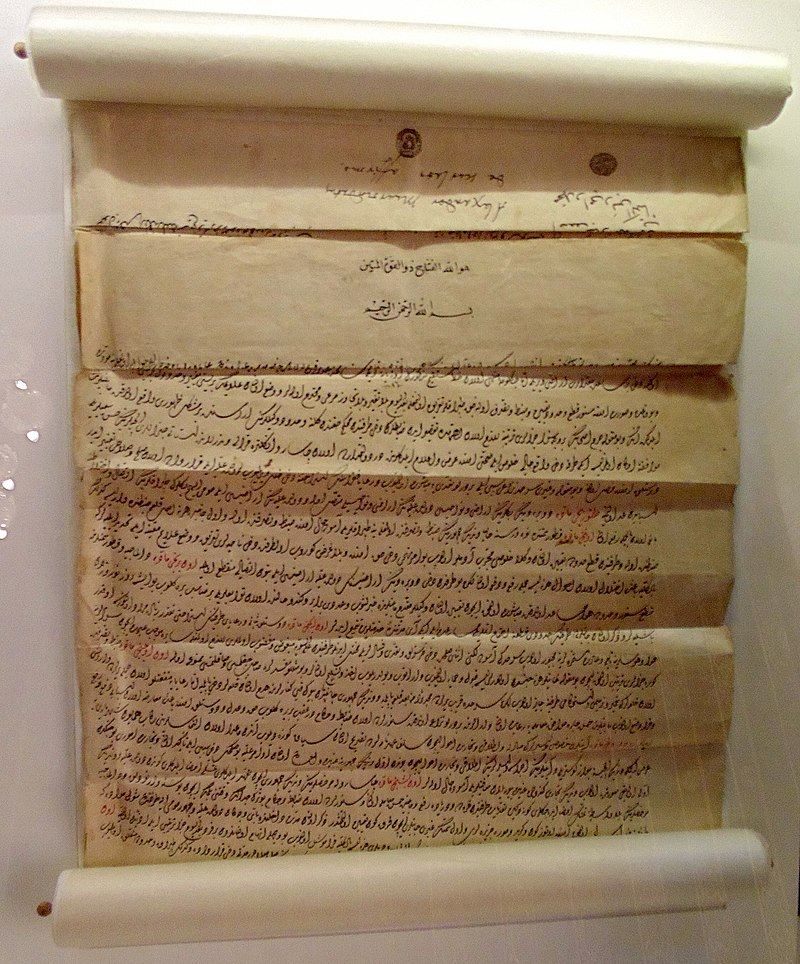
The Treaty of Karlowitz concluded the Austro-Ottoman Wars, resulting in the Habsburgs gaining control of Transylvania. The conflict began due to Ottoman expansion into Central Europe, threatening Habsburg territories. With the decisive Battle of Zenta in 1697, the Habsburgs secured a pivotal victory. This success paved the way for negotiations leading to the Treaty of Karlowitz.
The treaty marked a significant shift in power dynamics in the region, as the Ottomans ceded significant territories to the Habsburg Monarchy. Transylvania, a historic region with a diverse population, became a vital part of the Habsburg-controlled territories. This event solidified Habsburg influence in Central Europe while limiting Ottoman expansion.
The Treaty of Karlowitz had lasting implications for the region. It not only ended decades of conflict between the Habsburgs and Ottomans but also reshaped political boundaries in Southeastern Europe. The agreement brought stability to the region and allowed for cultural and economic exchanges to flourish under Habsburg rule.
The treaty's impact on Transylvania was profound. The region experienced a transition from Ottoman to Habsburg administration, bringing changes to governance, society, and culture. Under Habsburg rule, Transylvania saw developments in infrastructure, education, and trade, contributing to its integration into the Habsburg Monarchy.
Overall, the Treaty of Karlowitz was a watershed moment in the history of Southeastern Europe. It marked the end of the Austro-Ottoman Wars, secured Transylvania under Habsburg rule, and reshaped the geopolitical landscape of the region for years to come.
#TreatyofKarlowitz #AustroOttomanWars #Transylvania #HabsburgMonarchy #SoutheasternEurope
View details1672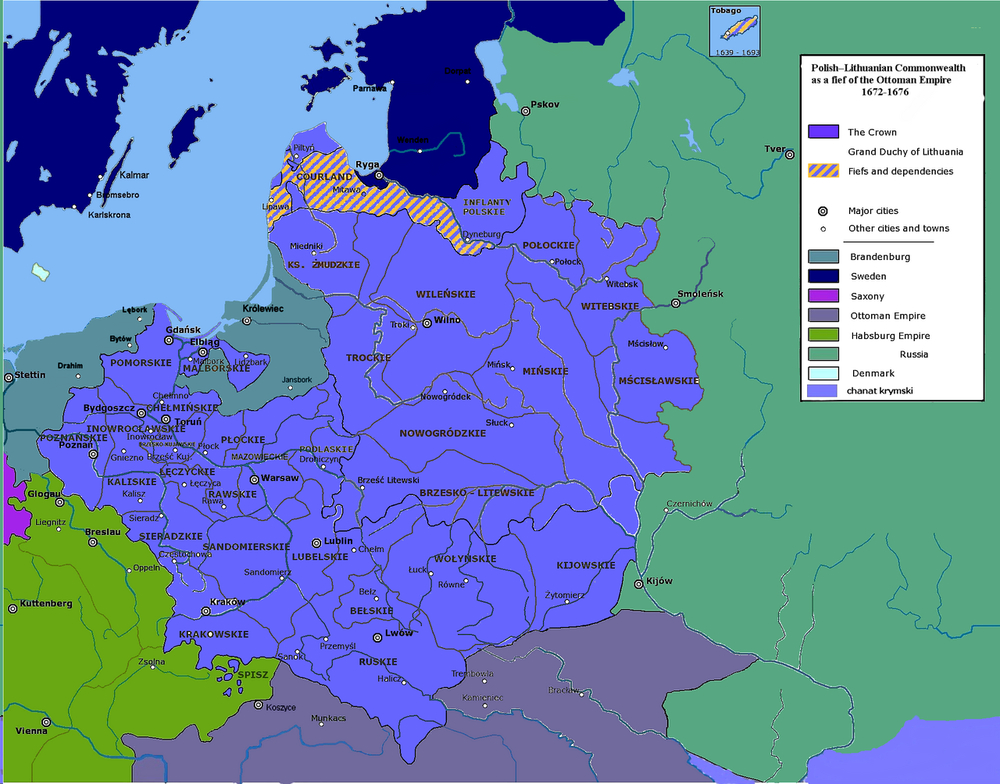
The Treaty of Buchach was an agreement between the Ottoman Empire and Poland that had a lasting impact on the territories of Moldavia. Prior to this treaty, the region had been embroiled in conflict and power struggles between the two major empires. The Ottomans, seeking to expand their influence in Eastern Europe, had been engaged in a series of wars with Poland over control of Moldavia.
The treaty marked a turning point in the power dynamics of the region. With the signing of the agreement, the Ottomans recognized Polish control over Moldavia, effectively ending their attempts to dominate the territory. This shift in power had significant consequences for the people of Moldavia, as they now found themselves under Polish rule.
The treaty also established new borders and boundaries in the region, solidifying the control of the two empires over their respective territories. This had a lasting impact on the political landscape of Eastern Europe and set the stage for future conflicts and alliances in the region.
In the aftermath of the Treaty of Buchach, Moldavia saw changes in governance, administration, and cultural influences as Poland exerted its authority over the territory. The treaty served as a reminder of the ever-shifting alliances and power struggles that characterized the region during this period.
Overall, the Treaty of Buchach was a significant event that reshaped the geopolitical landscape of Eastern Europe and had lasting effects on the territories of Moldavia. It marked a crucial moment in the history of the region and set the stage for future developments in the centuries to come.
#TreatyofBuchach #OttomanEmpire #Poland #Moldavia #EasternEurope #Geopolitics
View details1599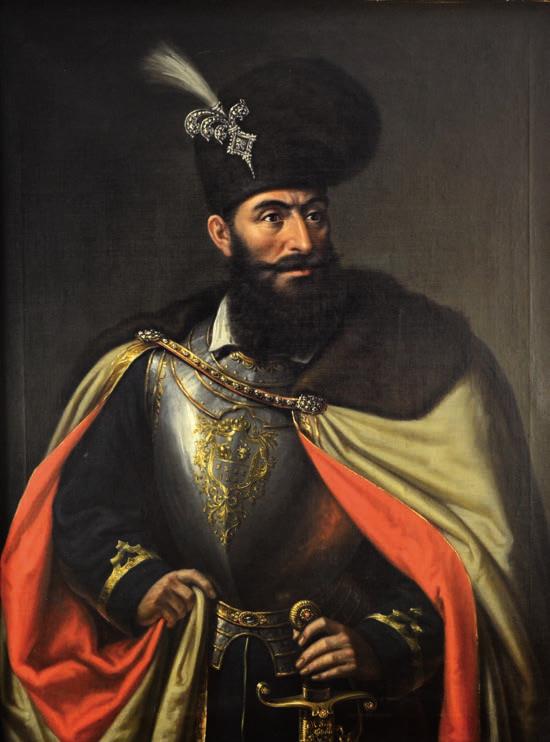
Michael the Brave, a skilled military commander, orchestrated the unification of Wallachia, Transylvania, and Moldavia, aiming to repel foreign powers and establish a united front against invading forces. His strategic acumen and charismatic leadership were pivotal in rallying these regions under his rule.
Prior to Michael's unification, these territories were fragmented, susceptible to external influence and conflicts. By consolidating their strengths, he sought to enhance their defenses and bolster their independence. This move not only challenged the dominance of the Ottoman and Habsburg empires in the region but also paved the way for a stronger, more cohesive Romanian entity.
The amalgamation of Wallachia, Transylvania, and Moldavia under Michael's leadership had far-reaching consequences. It symbolized a fervent aspiration for sovereignty and self-determination among the Romanian people. Moreover, it marked a significant shift in the geopolitical dynamics of Eastern Europe, challenging the established power structures and fostering a sense of national identity among the diverse population of the region.
Michael's reign, albeit brief, left a lasting legacy. His efforts to unite these territories laid the groundwork for future endeavors towards Romanian unification. Despite facing numerous challenges and betrayals, his steadfast commitment to his vision of a united Romania inspired generations to come.
The unification of Wallachia, Transylvania, and Moldavia under Michael the Brave exemplifies a pivotal moment in Romanian history, signifying resilience, determination, and the pursuit of national unity. It stands as a beacon of hope and inspiration for the Romanian people, underscoring the enduring quest for sovereignty and solidarity.
#MichaeltheBrave #RomanianUnity #GeopoliticalShift #NationalIdentity.
View details1595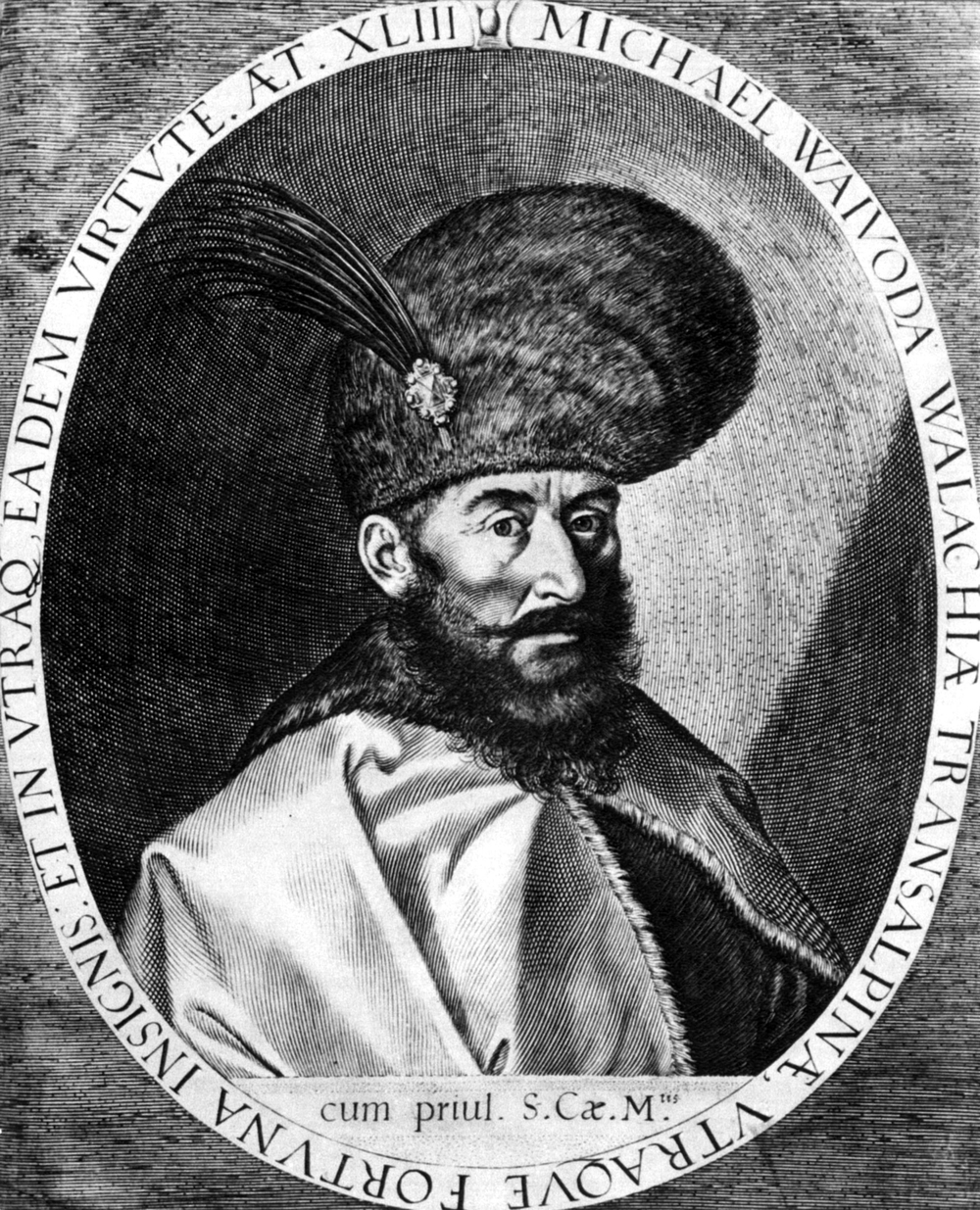
In the Renaissance era, Wallachia, a region under Ottoman rule, witnessed a pivotal uprising led by Michael the Brave. The event unfolded as a culmination of years of tension between the Wallachian people and their Ottoman rulers, fueled by oppressive policies and exploitation. Michael, a skilled tactician and leader, emerged as the face of resistance against Ottoman dominance.
The Wallachian uprising marked a turning point in the struggle for independence, galvanizing the local population and instilling a sense of national identity. Michael's strategic maneuvers and alliances with neighboring powers bolstered the rebellion, leading to several decisive victories against the Ottoman forces. The uprising reverberated across the region, inspiring other oppressed communities to challenge their overlords.
Despite facing overwhelming odds, Michael's forces displayed remarkable resilience and courage, inflicting significant losses on the Ottoman army. The conflict culminated in a series of fierce battles, with both sides vying for control over Wallachia. Ultimately, the uprising showcased the strength of the Wallachian people's will and their determination to break free from foreign domination.
The legacy of the Wallachian uprising against the Ottoman rule led by Michael the Brave endures as a symbol of defiance and unity. It serves as a reminder of the sacrifices made in the pursuit of freedom and self-determination. The events of that period continue to inspire generations of Romanians to uphold their national heritage and protect their sovereignty.
#Wallachia #OttomanRule #MichaelTheBrave #RomanianHistory #Independence #Resistance #NationalIdentity
View details1591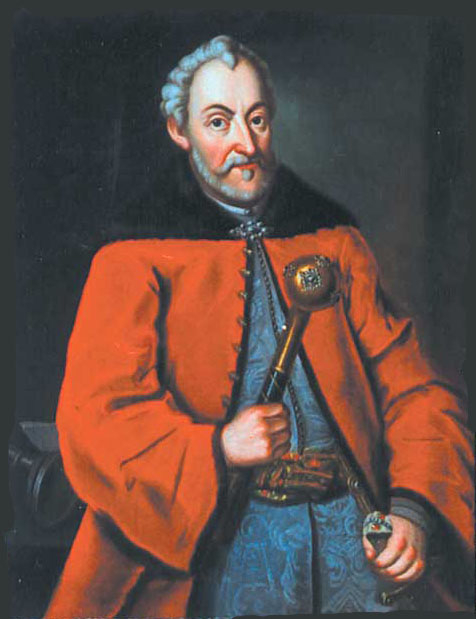
In the late 16th century, Moldavia found itself embroiled in a significant conflict with the Ottoman Empire. The Moldavian magnates, led by their voivode, rebelled against the Ottoman rule that had been imposed on their region. This uprising was motivated by a desire to regain autonomy and resist the economic and political pressures exerted by the Ottoman Empire.
The Moldavian magnate revolt against the Ottoman Empire had far-reaching consequences for the region. It not only challenged the authority of the Ottomans but also inspired other territories under Ottoman control to consider similar rebellions. The revolt highlighted the deep-seated discontent and resistance that existed within the subjected populations of the Ottoman Empire.
The rebellion was marked by fierce battles and strategic maneuvers on both sides. The Moldavian magnates, leveraging their knowledge of the local terrain, posed a formidable challenge to the Ottoman forces. Despite facing superior military might, the rebels managed to hold their ground and inflict significant losses on the Ottoman troops.
The Moldavian magnate revolt against the Ottoman Empire represents a pivotal moment in the history of Romania, embodying the struggle for independence and self-determination. It serves as a testament to the resilience and courage of the Moldavian people in the face of oppressive foreign rule.
#MoldavianMagnates #OttomanEmpire #Rebellion #Autonomy #Romania #History
View details1566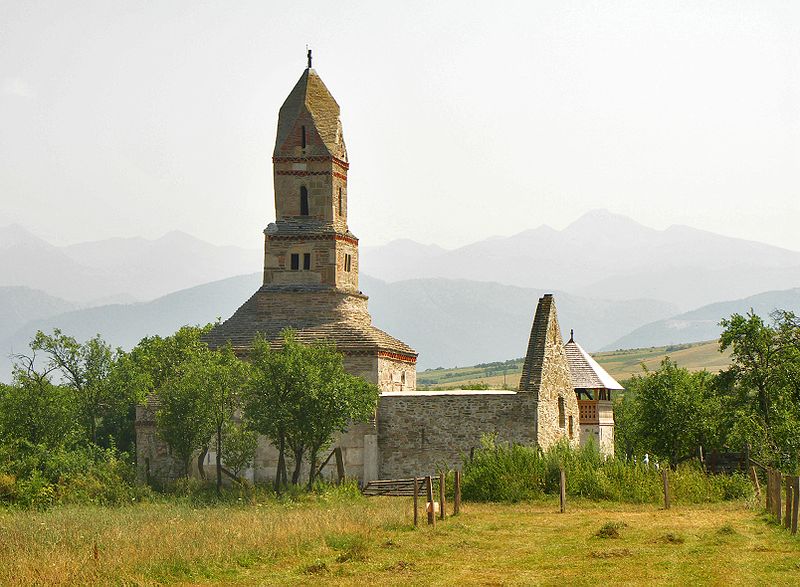
The construction of the Church of Saint Nicholas in Câmpulung marked a pivotal moment in Romanian history. The church, built in 1062, stands as one of the oldest churches in the country. Its construction was initiated during a period of cultural and religious growth in Romania, reflecting the significance of Christianity in the region.
The Church of Saint Nicholas in Câmpulung served as a center for religious activities and played a key role in the spiritual life of the community. Its architectural style, characterized by Byzantine influences, showcases the artistic and cultural exchanges that occurred during that time. The church's design and decorations are a testament to the craftsmanship and dedication of the builders.
The establishment of the Church of Saint Nicholas in Câmpulung contributed to the development of the region, attracting pilgrims and fostering a sense of unity among believers. The church became a symbol of faith and tradition, enduring through centuries as a cultural landmark in Romania.
Today, the Church of Saint Nicholas in Câmpulung continues to be a place of worship and a tourist attraction, drawing visitors from all over the world. Its historical significance and architectural beauty make it a must-see destination for those interested in Romania's rich cultural heritage.
#ChurchOfSaintNicholas #Câmpulung #RomanianHistory #ReligiousHeritage
View details1526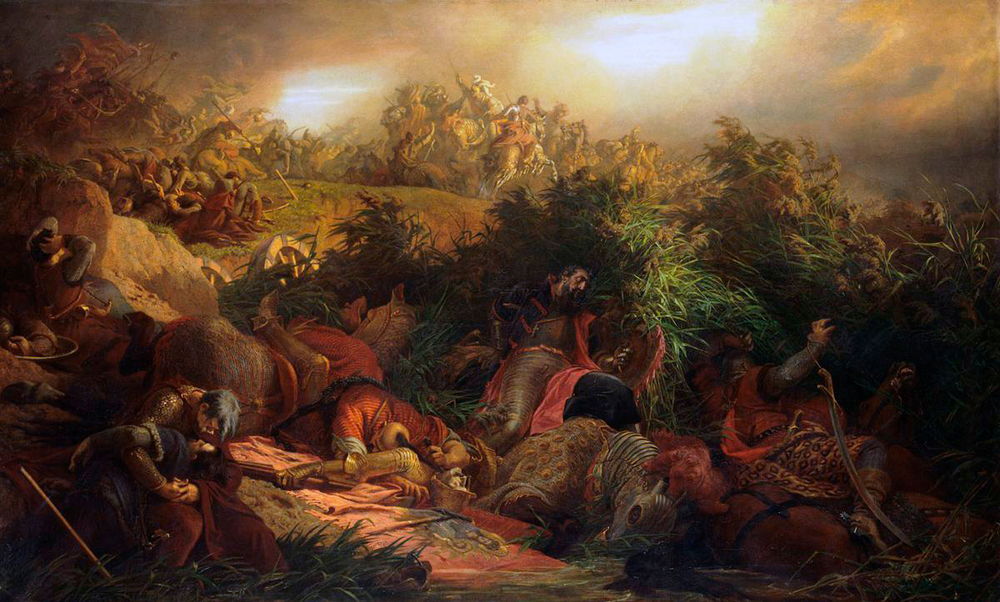
The Battle of Mohács was a pivotal event that led to the division of Hungary, ultimately resulting in Transylvania becoming an independent principality. The battle took place between the forces of the Kingdom of Hungary led by King Louis II and the Ottoman Empire under the command of Suleiman the Magnificent.
The conflict arose due to the Ottoman Empire's expansionist ambitions in Europe and Hungary's strategic importance as a buffer zone against Ottoman advances. The two sides clashed near Mohács, Hungary, in a fierce and bloody confrontation. The Hungarian forces were decisively defeated, and King Louis II perished on the battlefield, leading to political chaos and instability in the kingdom.
In the aftermath of the battle, the Ottoman Empire annexed a large portion of Hungary, while Transylvania emerged as a semi-independent principality under Ottoman suzerainty. This division of Hungary had far-reaching consequences, as it altered the political landscape of the region and reshaped power dynamics in Eastern Europe.
Transylvania's newfound autonomy allowed for a degree of self-governance and cultural development, fostering a unique blend of Hungarian, Romanian, and other ethnic influences. The principality became a melting pot of diverse traditions and identities, laying the groundwork for its multicultural heritage that endures to this day.
The Battle of Mohács left an indelible mark on the history of Hungary and Transylvania, highlighting the complex interplay of political, military, and cultural forces in shaping the destiny of nations. The division of Hungary and the establishment of Transylvania as an independent principality marked a watershed moment in the region's history, with lasting repercussions that continue to resonate in the present day.
#BattleOfMohács #Transylvania #Independence #OttomanEmpire #HungarianHistory
View details1511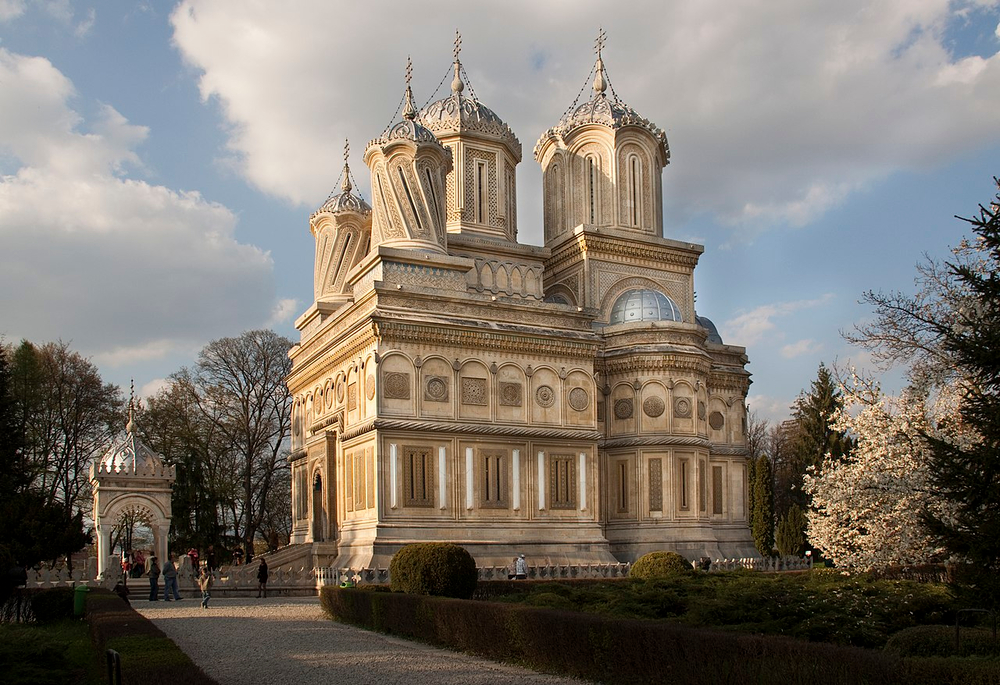
The construction project for the Church of the Theotokos in Curtea de Argeș commenced in 1012, showcasing an exemplary Byzantine architectural style. This masterpiece was initiated by the ruling family of the time, but its exact purpose remains speculative. However, it is widely believed to serve as a mausoleum for noble members of the ruling family. The church's intricate design and elaborate decorations, including geometric patterns and sculptural elements, reflect the artistic and cultural influences of the Byzantine Empire.
The Church of the Theotokos holds historical significance as it represents the fusion of Byzantine architectural traditions with local craftsmanship. The construction process utilized a mix of stone and brick materials, showcasing the technical prowess of the builders of that era. The church's ornate façade and detailed reliefs on the exterior walls display a high level of craftsmanship and attention to detail. Additionally, the church's interior features intricate frescoes that depict religious scenes and figures, providing a glimpse into the religious beliefs and artistic practices of the time.
The completion of the Church of the Theotokos in Curtea de Argeș marked a milestone in the architectural history of the region, leaving a lasting legacy for future generations. The church's architectural style and design have influenced subsequent religious structures in Romania and beyond, serving as a prototype for Byzantine-influenced churches in the region. Today, the Church of the Theotokos stands as a testament to the rich cultural heritage and artistic achievements of the Byzantine era, attracting visitors and scholars from around the world.
#ByzantineArchitecture #CulturalHeritage #ArtisticLegacy #ReligiousHistory
View details1476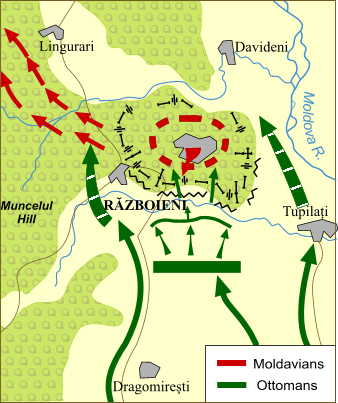
In the Battle of Valea Albă, Stephen the Great of Moldavia emerged victorious against the Ottoman Empire. The conflict arose due to the Ottoman desire to expand their territory into Moldavia, a region strategically located between Europe and Asia. Sensing the threat, Stephen mobilized his forces to defend his land and maintain the independence of Moldavia.
The battle was fierce, with both sides sustaining heavy casualties. The Moldavian army, led by Stephen himself, displayed exceptional tactical skills and resilience, ultimately outmaneuvering the Ottoman forces. The victory at Valea Albă was a significant achievement for Stephen and his people, as it not only repelled the Ottoman invasion but also boosted the morale of the Moldavian troops.
The outcome of the battle had far-reaching consequences. It solidified Stephen's reputation as a skilled military leader and a defender of Moldavia's sovereignty. The Ottomans, on the other hand, faced a setback in their expansionist ambitions in Eastern Europe. The Battle of Valea Albă marked a turning point in the power dynamics of the region and underscored the importance of strategic alliances and military prowess in safeguarding independence.
Legacy of this historic event can still be seen in present-day Romania, where Stephen the Great is revered as a national hero and his victory at Valea Albă is commemorated as a symbol of courage and defiance against foreign aggression. The battle remains a testament to the resilience and determination of the Moldavian people in the face of adversity.
#StephenTheGreat #BattleOfValeaAlbă #Moldavia #OttomanEmpire #Independence #MilitaryVictory #RomanianHistory
View details1475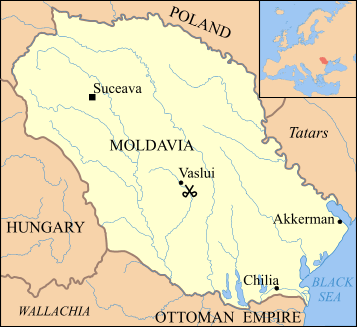
In 1475, the Battle of Vaslui took place between Moldavia, led by Stephen the Great, and the Ottoman Empire, commanded by Mehmed II. The conflict emerged due to the Ottoman Empire's expansionist ambitions, clashing with Moldavia's desire to maintain its sovereignty. Stephen the Great, known for his cunning tactics and military prowess, strategically positioned his troops near the town of Vaslui to defend against the Ottoman invaders.
The battle commenced with fierce combat as Moldavian forces utilized their knowledge of the terrain to gain an advantage over the larger Ottoman army. Stephen's troops effectively employed guerilla warfare tactics, exploiting the dense forests and marshy terrain to disrupt the enemy's advances. Despite being outnumbered, the Moldavian warriors fought with unmatched bravery and determination.
As the battle raged on, the Ottoman forces faced significant losses, struggling to combat the resilient Moldavian defense. Stephen the Great's strategic brilliance and the unwavering commitment of his soldiers ultimately led to a decisive victory for Moldavia. The Ottoman Empire suffered heavy casualties, forcing Mehmed II to retreat and abandon his campaign to conquer Moldavia.
The Battle of Vaslui marked a significant turning point in the regional power dynamics of Southeastern Europe. Moldavia's triumph over the mighty Ottoman Empire solidified its reputation as a formidable adversary and a bulwark against further incursions. Stephen the Great's successful defense of his homeland bolstered Moldavia's independence and secured its position as a key player in the geopolitics of the region.
Today, the Battle of Vaslui stands as a testament to Moldavia's resilience in the face of adversity and Stephen the Great's military acumen. The legacy of this historic battle endures in Romanian history, underscoring the nation's proud heritage of courage and defiance in the face of overwhelming odds. #BattleOfVaslui #Moldavia #OttomanEmpire #StephenTheGreat #MilitaryHistory
View details1456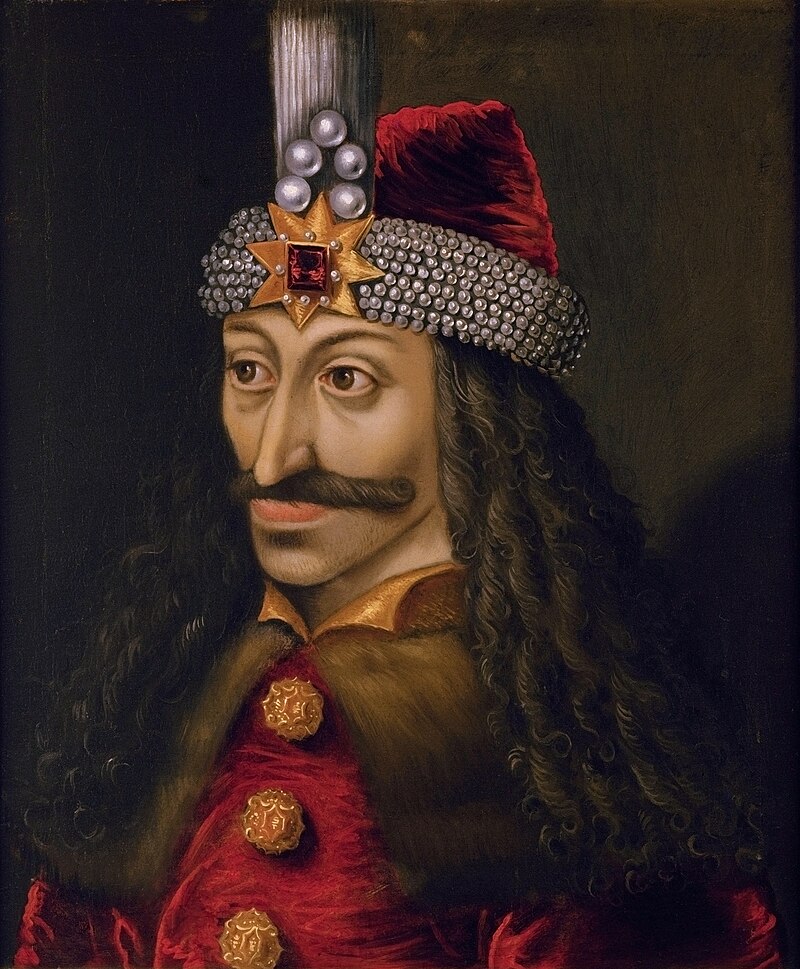
Vlad the Impaler becomes voivode of Wallachia for the second time after a tumultuous period of battles and political intrigue. His first reign was marked by his brutal methods of maintaining order and punishing his enemies. Upon reclaiming his seat of power, Vlad swiftly worked to assert his authority and consolidate his rule over the region.
During his second term, Vlad implemented strict laws to curb crime, corruption, and ensure stability. His reputation for using harsh punishments, particularly impaling his enemies, spread fear among those who dared to oppose him. Vlad's use of violence and intimidation tactics solidified his control over Wallachia, earning him a notorious reputation.
His leadership was not without challenges, as neighboring powers constantly threatened his rule. To fend off external threats, Vlad formed alliances with other European leaders, demonstrating his diplomatic skills and strategic thinking. His ability to navigate the complex political landscape of the time helped Wallachia maintain its independence and sovereignty.
The impact of Vlad's second tenure as voivode of Wallachia reverberated throughout the region. His harsh rule left a lasting legacy, with stories of his brutality passing into legend. Despite his controversial methods, Vlad's leadership played a crucial role in shaping the history of Wallachia and Romania.
In retrospect, Vlad the Impaler's second reign as voivode of Wallachia was a pivotal moment in Romanian history. His uncompromising stance against his enemies and dedication to maintaining order made him a formidable leader. The legacy of his rule continues to fascinate and intrigue historians, shaping perceptions of power and authority in the region. #VladTheImpaler #VoivodeOfWallachia #RomanianHistory
View details1429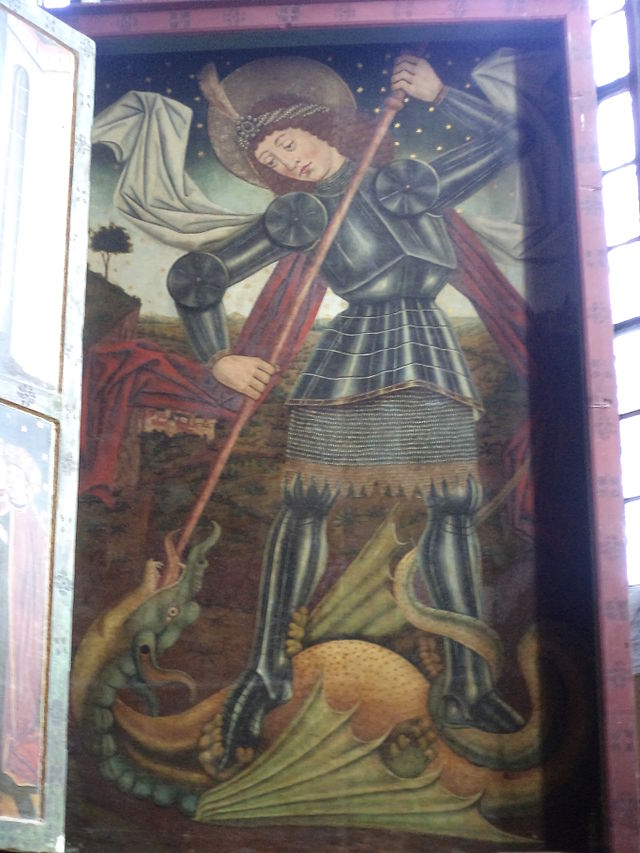
In the town of Sighișoara, in the historical region of Transylvania, Vlad the Impaler, famously known as Dracula, was born. He was born into the noble family of House of Drăculești in Wallachia. Vlad III grew up surrounded by political turmoil and violence, greatly influencing his notorious reputation as a ruler.
Vlad the Impaler was known for his brutal methods of punishing his enemies, with his favorite method being impalement. His cruelty and ruthlessness towards his enemies earned him the nickname 'Vlad the Impaler'. However, he was also remembered for his efforts in fighting off the Ottoman Empire, a threat that loomed over Eastern Europe during his reign.
Despite his gruesome methods of governance, Vlad the Impaler is often seen as a symbol of Romanian resistance against foreign invaders. His legacy as a fierce protector of his people from external threats has made him a legendary figure in Romanian history.
The birth of Vlad the Impaler in Sighișoara marked the beginning of a controversial reign that left a lasting impact on Romanian history. His life has inspired countless stories and myths, turning Dracula into a renowned figure in popular culture.
#VladTheImpaler #Dracula #Sighisoara #Transylvania #RomanianHistory #BrutalRuler #RomanianResistance
View details1415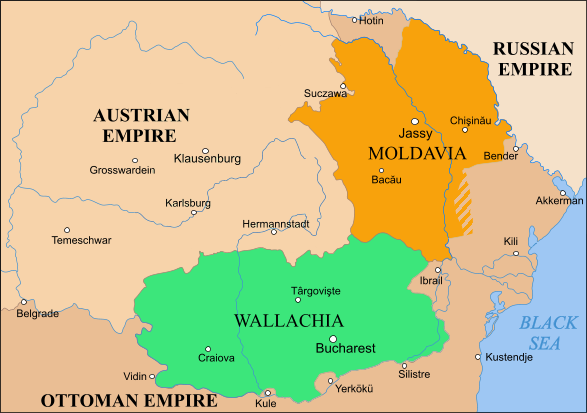
In 1415, the Principality of Wallachia entered into vassalage under the Ottoman Empire, marking a significant shift in the geopolitical landscape of Southeastern Europe. Wallachia, situated strategically between the Danube River and the Carpathian Mountains, had been facing constant threats from neighboring powers. To ensure protection and maintain autonomy, Wallachia's ruler, Radu I, decided to pledge allegiance to the Ottomans.
This decision brought about a period of relative stability for Wallachia, as the Ottomans provided military support against common enemies and guaranteed the principality's territorial integrity. In return, Wallachia had to pay tribute to the Ottoman Empire and provide military assistance when called upon. The arrangement allowed Wallachia to focus on internal development and strengthen its position within the region.
The move also had cultural implications, as Wallachia came into contact with the Islamic culture and administration of the Ottoman Empire. This interaction influenced various aspects of Wallachian society, including governance, architecture, and trade. Over time, the principality incorporated elements of Ottoman culture while maintaining its distinct identity.
The vassalage of Wallachia to the Ottoman Empire had lasting consequences for the region. It shaped the political dynamics of Southeastern Europe and positioned Wallachia as a key player in the Ottoman sphere of influence. The principality's relationship with the Ottomans would fluctuate over the centuries, impacting its foreign policy and internal affairs.
Overall, Wallachia's decision to become a vassal of the Ottoman Empire in 1415 was a defining moment in its history. It altered the principality's trajectory and established a new chapter in its relationship with one of the most powerful empires of the time.
#Wallachia #OttomanEmpire #Vassalage #SoutheasternEurope #Geopolitics
View details1386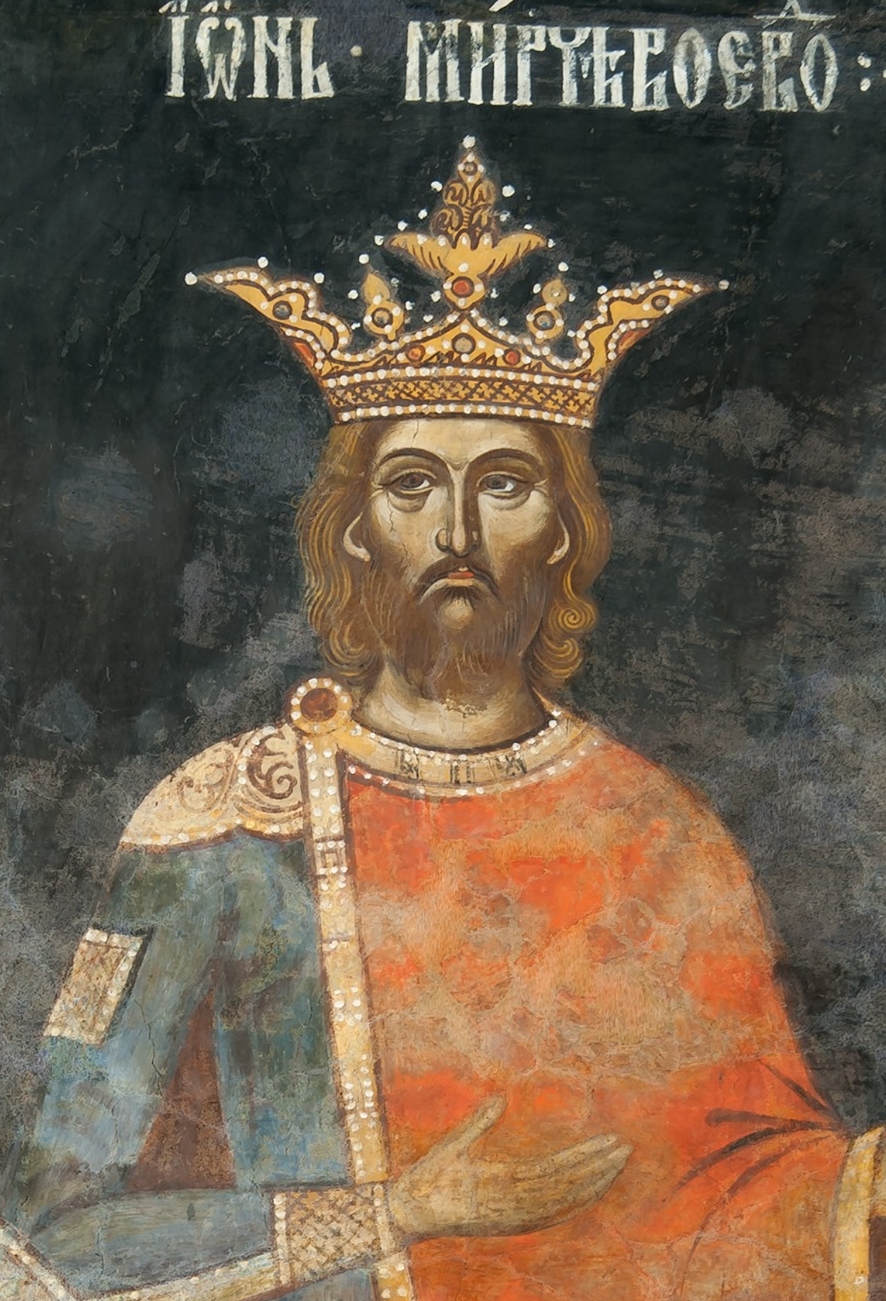
In the late 14th century, Mircea the Elder ascended to power as the voivode of Wallachia, a region in present-day Romania. His rule marked a significant period in Wallachian history, characterized by stability and military achievements. Mircea came from the Basarab dynasty, a prominent ruling family in the region known for their efforts to resist external threats and expand their territory.
Mircea's reign as voivode brought about a period of relative peace and prosperity for Wallachia. He implemented effective governance policies, bolstered the economy through trade agreements, and maintained strong diplomatic relations with neighboring regions. His military tactics were particularly renowned, as he successfully defended Wallachia against invasions from the Ottoman Empire and other neighboring powers.
Under Mircea's leadership, Wallachia experienced a cultural and artistic renaissance, with the voivode himself being a patron of the arts. He supported the construction of churches, monasteries, and fortified citadels, leaving a lasting architectural legacy that still stands today. Mircea's reign also saw advancements in education and the preservation of traditional Romanian folklore and customs.
Mircea the Elder's legacy as the voivode of Wallachia is revered in Romanian history. His strategic leadership, military prowess, and dedication to the well-being of his people have solidified his reputation as one of the greatest rulers of Wallachia. The principles and values he instilled during his reign continue to influence Romanian culture and identity to this day, serving as a reminder of the achievements of this revered historical figure.
#MirceaTheElder #VoivodeOfWallachia #WallachianHistory #RomanianRenaissance
View details1330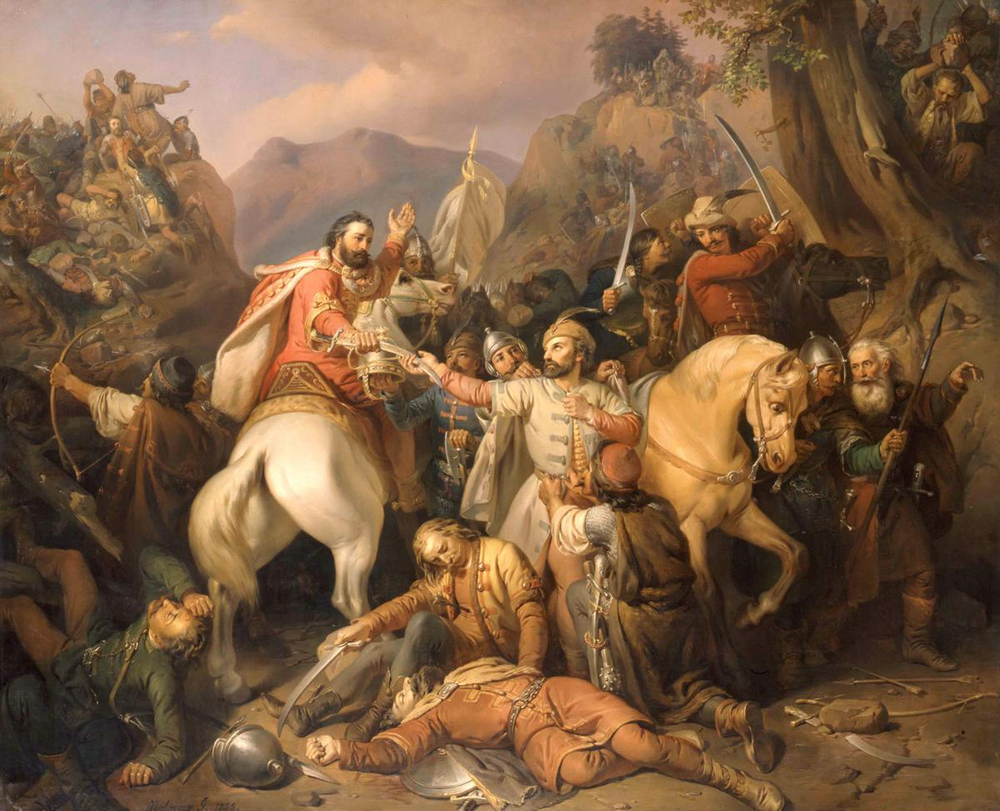
In the early 14th century, Wallachia and Hungary were engaged in territorial disputes over control of the region. The Battle of Posada marked a significant clash between the two powers, where Wallachian forces led by Basarab I secured a decisive victory over the Hungarian army.
Basarab I, a cunning and strategic ruler, was determined to assert Wallachian independence and push back against Hungarian influence. With a smaller army compared to the Hungarian forces, Basarab I employed guerrilla tactics and utilized the difficult terrain to his advantage. The Wallachians launched a surprise attack on the unsuspecting Hungarian troops, catching them off guard and inflicting heavy casualties.
The defeat at Posada was a severe blow to the Hungarian forces, weakening their hold over the region and bolstering Wallachian autonomy. Basarab I emerged as a formidable leader, earning respect for his military prowess and securing greater autonomy for Wallachia.
The Battle of Posada stands as a testament to the resilience and strategic acumen of the Wallachian forces, showcasing their ability to overcome larger and more established powers. The victory solidified Wallachia's position as a significant player in the region and set the stage for future conflicts and alliances.
The legacy of the Battle of Posada reverberates through Romanian history, symbolizing the spirit of resistance against foreign domination and the triumph of determination in the face of adversity. It remains a defining moment in the struggle for independence and self-determination.
#Wallachia #Hungary #Independence #StrategicVictory #MedievalConflict #BasarabI #TerritorialDisputes
View details1310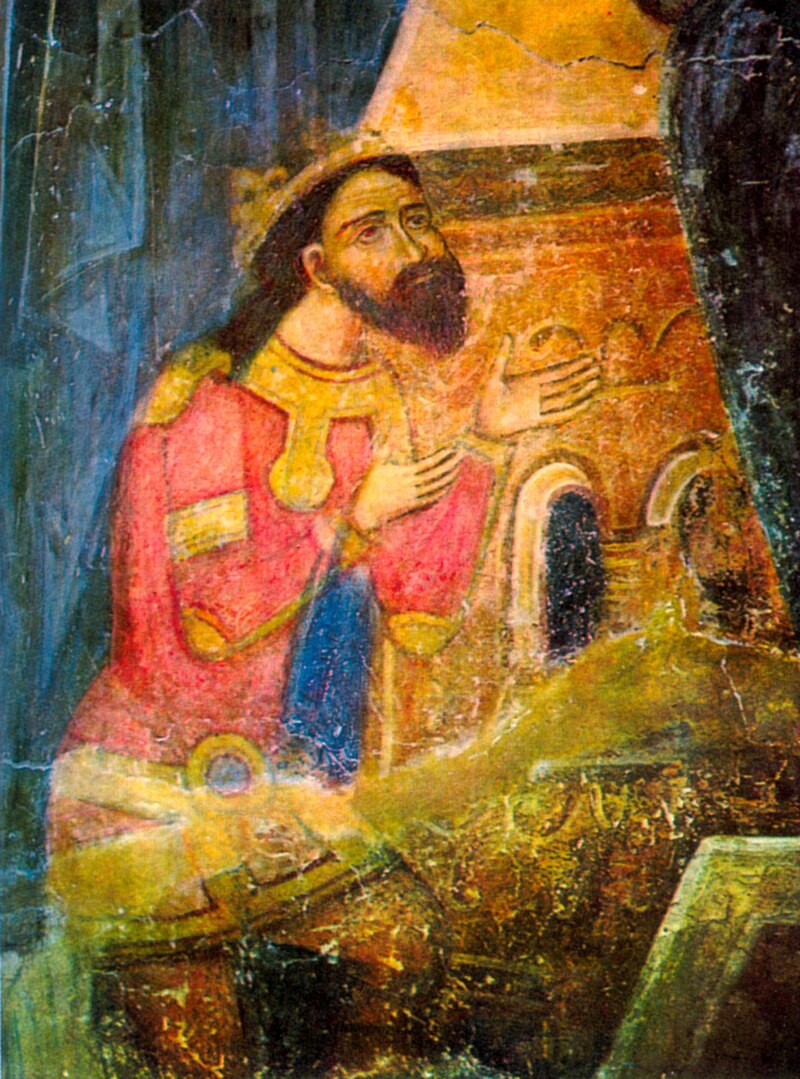
In the early 14th century, Basarab I established himself as the first independent ruler of Wallachia, breaking away from Hungarian influence. This marked a pivotal moment in the region's history, as Wallachia emerged as a distinct entity with its own leader. Basarab I strategically navigated political alliances and conflicts to secure autonomy for his principality.
Under Basarab I's rule, Wallachia experienced a period of growth and stability. He implemented policies that bolstered the economy and strengthened the military, ensuring the security of his realm. Basarab I's reign laid the foundation for Wallachia's independence and set the stage for future rulers to assert their sovereignty over the region.
The establishment of Basarab I as the independent ruler of Wallachia had far-reaching consequences for the geopolitical landscape of Eastern Europe. It challenged the dominance of neighboring powers and affirmed Wallachia's right to self-governance. Basarab I's defiance of external control inspired other regions to pursue independence and shaped the trajectory of Romanian history.
Basarab I's legacy as the first independent ruler of Wallachia endures to this day, serving as a symbol of resistance and resilience. His leadership during a time of political turmoil exemplified the spirit of Romanian nationalism and laid the groundwork for the development of a unique cultural identity.
#BasarabI #Wallachia #Independence #RomanianHistory #Sovereignty
View details1249
In 1250, within Wallachia, a rebellion erupted against the Byzantine Empire, led by the Vlachs and Bulgarians. The Vlachs, a Latin-speaking people, and the Bulgarians, forming a significant part of the population in the region, joined forces to challenge Byzantine rule. The Vlach-Bulgarian rebellion aimed to gain independence, pushing back against the Byzantine influence that had dominated the area.
The uprising was a culmination of years of discontent among the local population, who sought to assert their autonomy and rid themselves of Byzantine authority. The Vlachs and Bulgarians, united by a common goal, organized a resistance movement that spread rapidly across Wallachia, gaining support from various segments of society.
The rebellion posed a significant threat to the Byzantine Empire's control over the region, prompting the emperor to deploy military forces to suppress the uprising. Despite facing fierce resistance from the Vlach-Bulgarian forces, the Byzantines eventually managed to quell the rebellion after a series of brutal confrontations.
The aftermath of the rebellion saw harsh reprisals inflicted on the Vlachs and Bulgarians by the Byzantine authorities, seeking to deter any future uprisings. However, the rebellion had a lasting impact on the region, fueling a sense of national identity and fostering a spirit of resistance against foreign domination among the local populace.
Ultimately, the Vlach-Bulgarian rebellion against the Byzantine Empire in Wallachia served as a pivotal moment in the region's history, highlighting the struggle for independence and self-determination. It laid the groundwork for future uprisings and movements that would shape the political landscape of Wallachia in the centuries to come.
#VlachBulgarianRebellion #ByzantineEmpire #Wallachia #Independence #Resistance #NationalIdentity
View details1185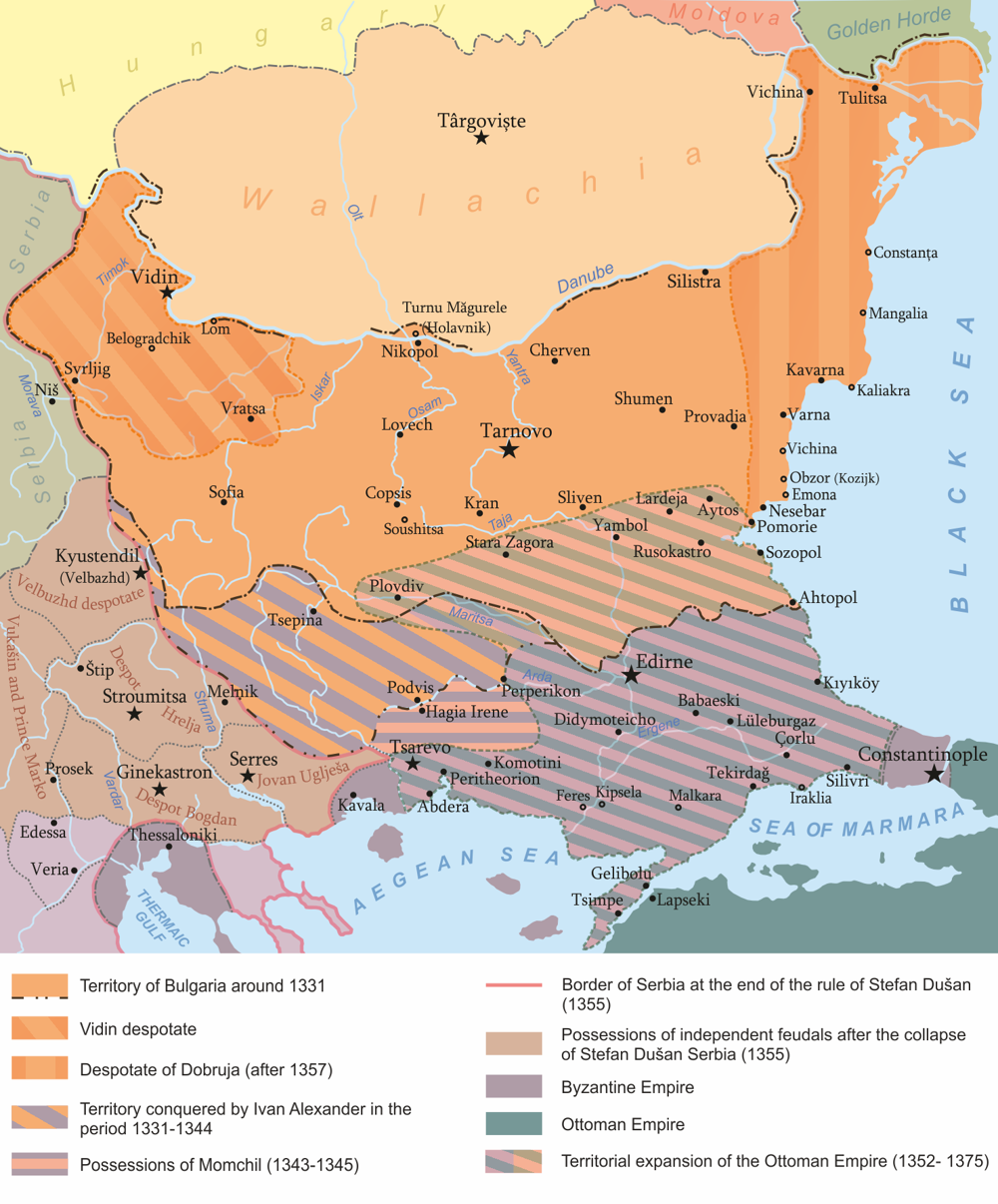
In the late 12th century, the Second Bulgarian Empire expanded its influence, gaining control over parts of Wallachia and Moldavia. This territorial acquisition marked a significant shift in power dynamics within the region. The Bulgarian Empire, under the leadership of Tsar Ivan Asen I, capitalized on internal strife within the Byzantine Empire to assert its dominance over neighboring territories.
The conquest of Wallachia and Moldavia bolstered the Bulgarian Empire's economic resources, as the newly acquired lands were rich in fertile soil and valuable trade routes. This expansion also provided the Bulgarian Empire with strategic advantages, increasing its military strength and further solidifying its position as a formidable regional power.
The incorporation of Wallachia and Moldavia into the Second Bulgarian Empire had lasting implications for the political landscape of Southeastern Europe. It reshaped alliances and rivalries among neighboring states, prompting them to reevaluate their diplomatic strategies in response to Bulgaria's growing influence. The annexation of these territories also fueled cultural exchanges and the spread of Bulgarian influence in the region.
Overall, the Second Bulgarian Empire's control over parts of Wallachia and Moldavia in 1186 was a pivotal moment in the empire's history, demonstrating its ability to expand its territorial holdings and assert its dominance over neighboring regions. This event contributed to the empire's rise to prominence in Southeastern Europe and left a lasting impact on the political and cultural dynamics of the time.
#BulgarianEmpire #Wallachia #Moldavia #RegionalPower #TerritorialExpansion
View details1074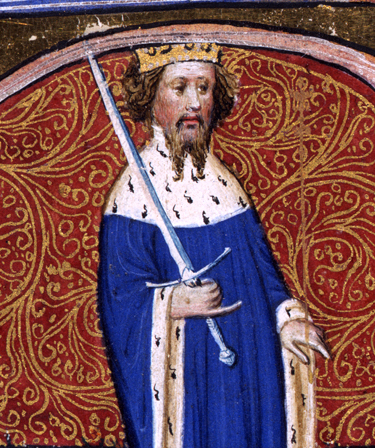
Holy Roman Emperor Henry IV recognized the Hungarian Kingdom's autonomy, encompassing parts of Transylvania, in 1077. This watershed moment stemmed from the empire's acknowledgment of Hungary's growing power and strategic importance in the region. The Hungarian Kingdom, under the rule of its dynamic king, enjoyed increased sovereignty and authority over its lands, bolstering its position in Central Europe.
The decision to grant autonomy to Hungary had far-reaching consequences. It solidified the kingdom's territorial integrity and political independence, paving the way for its future development. The Hungarian rulers could now focus on internal governance and strengthening their hold over Transylvania, a region of cultural and economic significance.
With autonomy granted, Hungary could consolidate its influence in Transylvania, a land of diverse ethnic and cultural heritage. The Hungarian Kingdom's administration in the region was further solidified, shaping the social and political landscape for centuries to come. This move by Emperor Henry IV marked a crucial turning point in the relationship between the Holy Roman Empire and Hungary, setting the stage for mutual respect and cooperation.
The autonomy granted to the Hungarian Kingdom, including parts of Transylvania, in 1077 marked a significant chapter in the region's history. It underscored Hungary's rising stature and affirmed its place among the influential powers of the time. The implications of this decision reverberated through the centuries, shaping the political dynamics and cultural tapestry of the Hungarian Kingdom and Transylvania.
#HungarianAutonomy #TransylvaniaIncorporation #HolyRomanEmpire #CentralEuropeanHistory
View details0893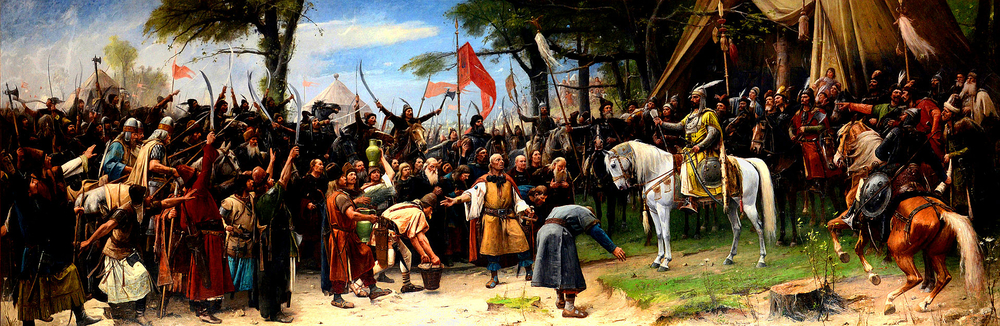
The Magyars, nomadic warriors from the East, launched an invasion into the Carpathian Basin, challenging the existing powers in the region. Known for their exceptional equestrian skills and tactical prowess, the Magyars swiftly conquered the territory, marking the beginning of their settlement in the area that would later become Hungary.
The invasion of the Magyars had a profound impact on the Carpathian Basin and its inhabitants. The local tribes and kingdoms were forced to either submit to the new rulers or face the consequences of resistance. This event reshaped the political landscape of the region, paving the way for the establishment of the Hungarian state and the assimilation of the Magyars with the local populations.
The arrival of the Magyars in the Carpathian Basin brought about cultural exchanges and influences between different ethnic groups. Over time, the Magyars adopted elements of the local customs and traditions, creating a unique blend of identities that would characterize the Hungarian nation. The legacy of this invasion can still be seen in the language, folklore, and traditions of modern Hungarians.
The invasion of the Magyars into the Carpathian Basin was a significant turning point in the history of the region, laying the foundations for the formation of the Hungarian state and shaping the course of its development. The descendants of the Magyars continue to celebrate their heritage and remember the struggles and triumphs of their ancestors, who sought a new homeland in the heart of Europe.
#Magyars #Hungarians #CarpathianBasin #Invasion #CulturalExchange #HistoricalEvent #Romania
View details0400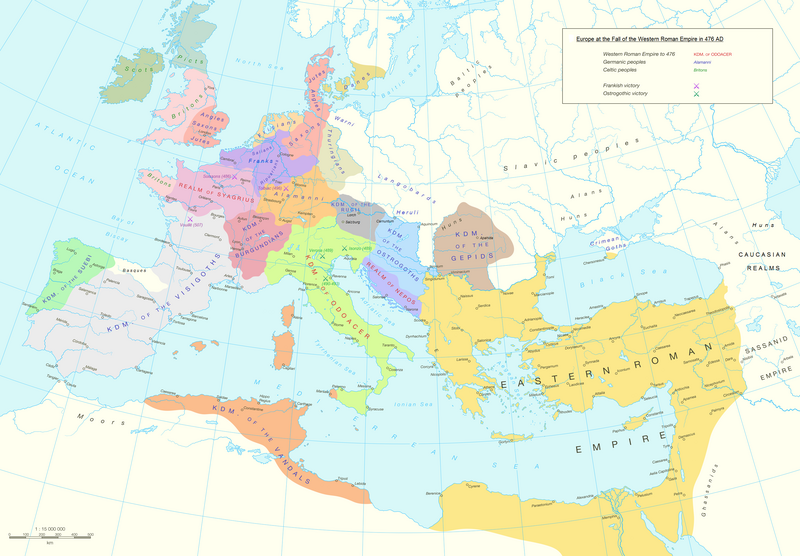
In 401, the Gepids, a Germanic tribe, established their settlement in the region that corresponds to modern-day Romania. This migration marked a significant shift in the demographic landscape of the area, as the Gepids brought with them their unique cultural practices, language, and traditions.
The arrival of the Gepids in Romania had a substantial impact on the region's political and social dynamics. As the tribe settled in the area, they interacted with the existing populations, contributing to the cultural exchange and shaping the local society. Their presence also played a role in the ongoing power struggles and alliances among various tribes and kingdoms in the region.
The Gepids were known for their skilled warriors and strategic prowess, which often made them formidable allies or adversaries. Their settlement in Romania meant that they became key players in the geopolitical scene of the time, influencing the balance of power and shaping the course of events in the region.
Over time, the Gepids' presence in Romania left a lasting imprint on the local customs, traditions, and even the physical landscape. Their legacy can be seen in archaeological findings, historical records, and the cultural heritage of modern-day Romania.
As the Gepids settled in Romania in 401, they set in motion a series of events that would shape the region's history for years to come. Their migration marked a turning point in the cultural and political evolution of the area, leaving behind a legacy that resonates to this day.
#Gepids #GermanicTribe #Romania #CulturalExchange #HistoricalMigration
View details0378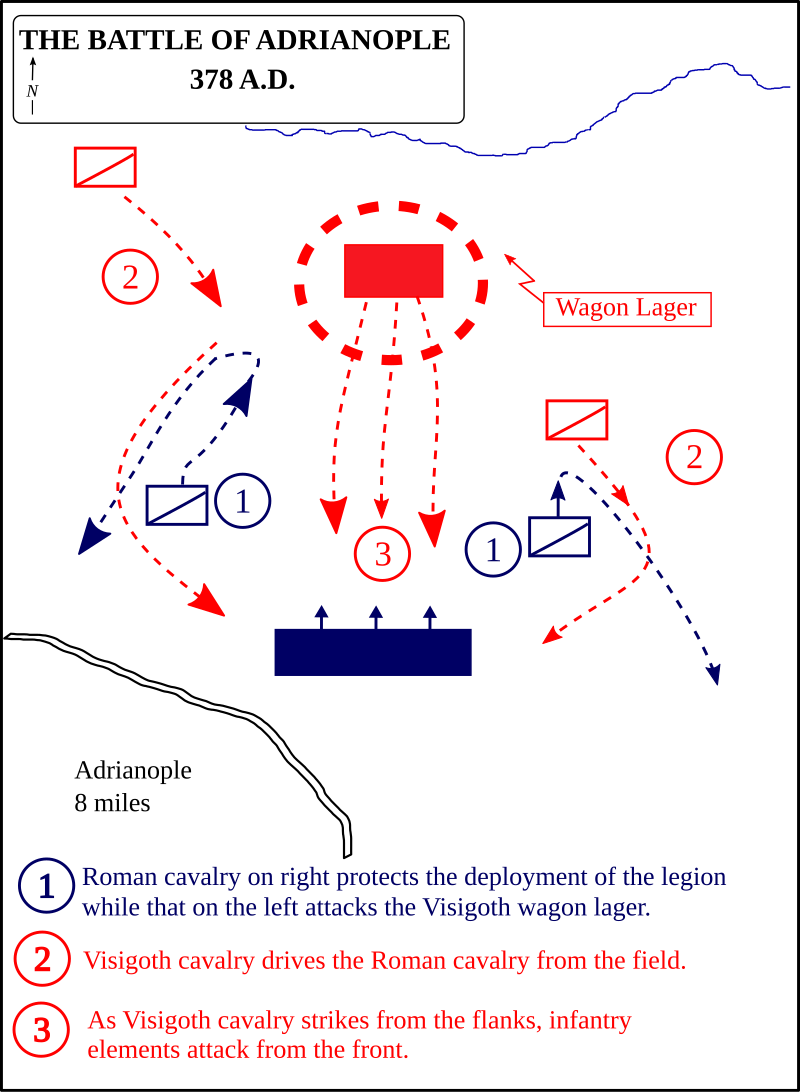
In 378, the Visigoths under Fritigern achieved a decisive victory over the Roman army at the Battle of Adrianople. This clash is regarded as a significant turning point in Roman history, marking the first time a Roman emperor, Valens, was killed in battle by a foreign foe. Prior to the battle, the Visigoths, a Germanic tribe, had been displaced by the aggressive Huns and sought refuge within the borders of the Roman Empire. However, mistreatment and lack of provisions by the Romans led to tensions that culminated in the Visigoths rising against their oppressors.
The Roman army, underestimating the Visigoths' military prowess and facing difficulties in the scorching summer heat, suffered a devastating defeat. Emperor Valens and a significant portion of his troops were killed, ensuring a major blow to Roman military strength in the region. The aftermath of the battle saw the Visigoths looting and pillaging the surrounding areas, further weakening Roman control.
The Battle of Adrianople had profound consequences, hastening the decline of the Western Roman Empire. It exposed the vulnerability of the Roman military against external threats and highlighted the challenges of incorporating foreign tribes within the empire. The Visigothic victory paved the way for their subsequent invasions of the Roman territories, contributing to the disintegration of Roman authority in the region.
Overall, the Battle of Adrianople stands as a watershed moment in the history of the Roman Empire, underscoring the shifting power dynamics and the growing influence of barbarian tribes on the empire's fate.
#Visigoths #RomanEmpire #BattleofAdrianople #Fritigern
View details0374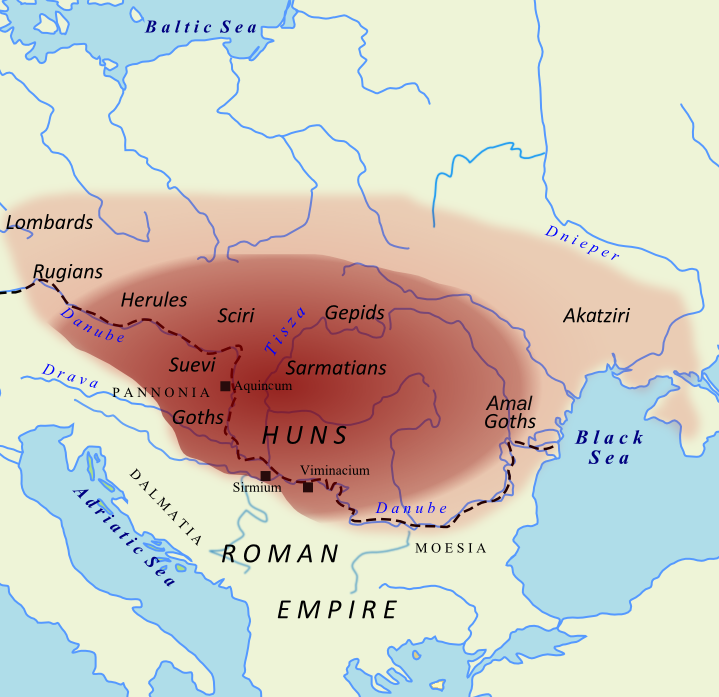
In the year 376, the Huns, a fierce nomadic tribe from Central Asia, invaded the territory of modern-day Romania. The Huns, under the leadership of their famed leader Attila, were known for their exceptional military skills and ruthless tactics.
The invasion of the Huns into Romania had a profound impact on the region. The once peaceful and prosperous lands of Romania were now plunged into chaos and uncertainty. Villages were pillaged, cities were besieged, and many people were forced to flee their homes to escape the brutality of the Hunnic warriors. The Roman authorities in the region were caught off guard and struggled to contain the marauding invaders.
The Huns were relentless in their conquest, pushing further into Romanian territory with each passing day. Their swift and overwhelming attacks struck fear into the hearts of the Romanian people, who had never faced such a formidable foe before. The Huns established their dominance over the region, establishing a new order driven by fear and subjugation.
The invasion of the Huns marked a turning point in the history of Romania. The once thriving province of the Roman Empire was now under the control of a foreign and hostile power. The cultural and social fabric of the region was forever altered by the presence of the Huns, who left a lasting legacy of destruction and despair in their wake.
Today, the invasion of the Huns remains a somber reminder of the brutal realities of war and conquest. It serves as a cautionary tale of the devastating impact that external forces can have on a nation's sovereignty and stability. The scars of the invasion can still be seen in the historical and cultural landscape of modern-day Romania, a testament to the resilience and strength of its people. #HunsInvasion #RomaniaHistory #AttilaTheHun
View details0270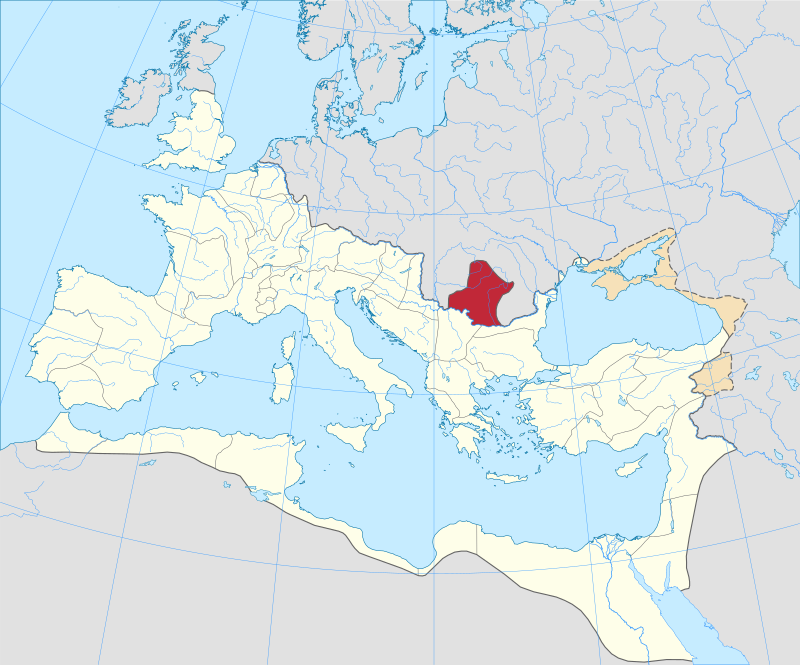
In 271, the Goths launched a momentous invasion into the Roman province of Dacia. The Goths, a Germanic people, sought new lands and riches, leading them to clash with the Roman Empire. The Goths, under the leadership of King Cannabaudes, crossed the Danube River and infiltrated Dacia, a Roman province situated in the region of modern-day Romania.
The Gothic invasion of Dacia had far-reaching consequences. The swift and unexpected attack caught the Romans off guard, causing panic and widespread devastation in the region. The Goths were known for their fierce and skilled warriors, making them formidable opponents for the Roman legions stationed in Dacia. The invasion disrupted trade routes, destabilized the local economy, and forced the Romans to divert resources to defend their territory.
The Roman Empire, under the rule of Emperor Aurelian, responded to the Gothic invasion by mustering its forces and launching counteroffensives to drive the Goths out of Dacia. The ensuing battles were intense and bloody, with both sides sustaining heavy casualties. The conflict dragged on for several years, with neither side able to secure a decisive victory.
The Gothic invasion of Dacia highlighted the vulnerability of the Roman Empire's borders and the constant threats it faced from external foes. The event marked a significant chapter in the ongoing struggle between the Romans and the barbarian tribes at their borders. It also showcased the resilience and determination of both the Goths and the Romans in the face of conflict and adversity.
The legacy of the Gothic invasion of Dacia reverberated throughout the region, influencing future power dynamics and shaping the cultural landscape of the area. The event served as a reminder of the ever-present challenges of maintaining control over vast and diverse territories within the Roman Empire.
#Goths #RomanEmpire #Dacia #Invasion #Conflict #History #Romania
View details0106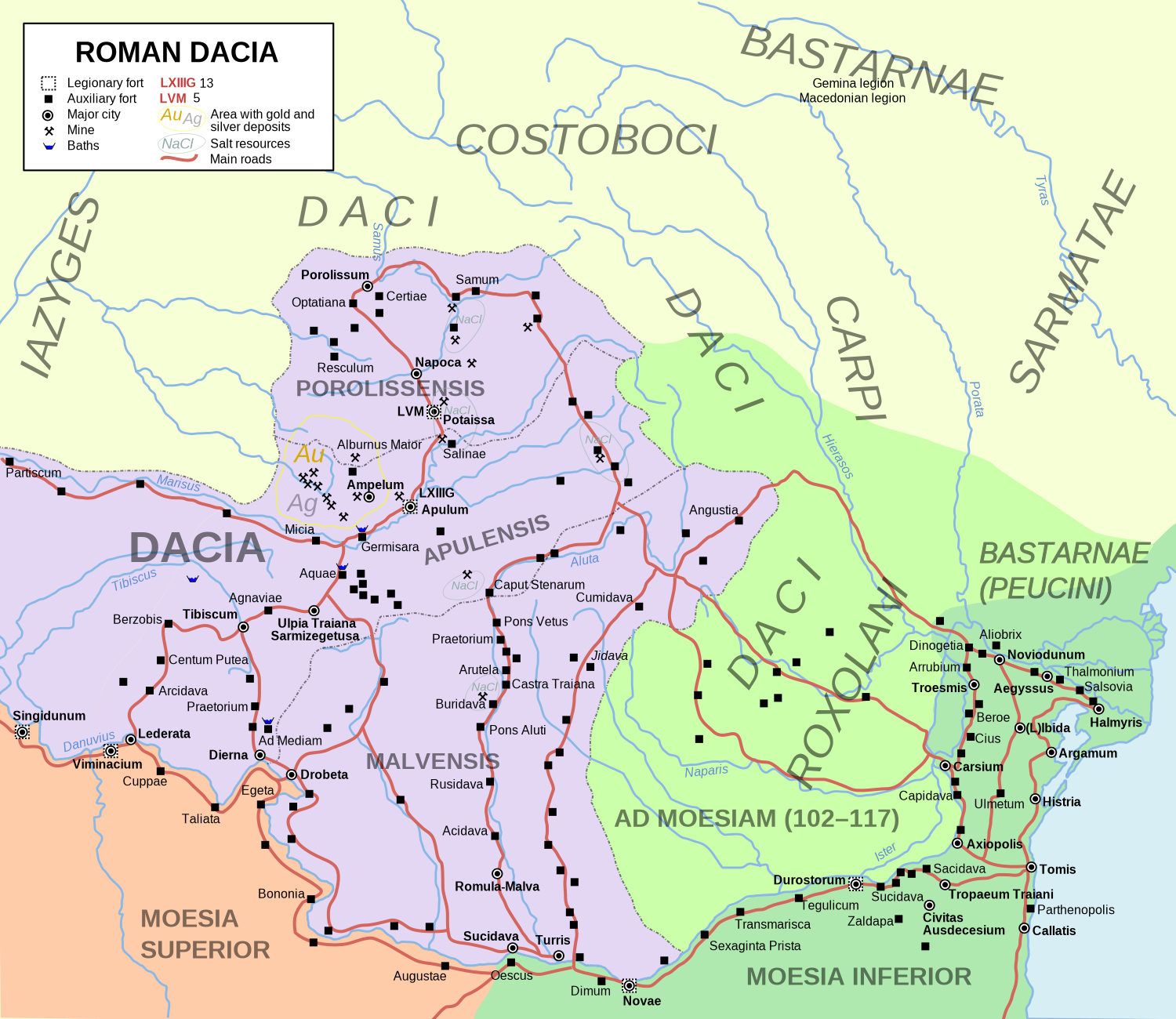
The event of the Roman Empire conquering Dacia marked a pivotal moment in the region's history. Dacia, located in present-day Romania, was a powerful kingdom known for its rich resources and strategic location. The Roman Emperor Trajan saw an opportunity to expand the empire's influence and secure valuable territories.
In 106, Roman legions, led by Trajan, launched a military campaign against Dacia. The Dacian King Decebalus fiercely resisted the invasion, but ultimately, the superior military tactics and resources of the Roman Empire prevailed. After a series of battles, Dacia was conquered, and Trajan established the province of Dacia, incorporating it into the Roman Empire.
The impact of this conquest was profound. The Roman Empire gained access to Dacia's rich gold mines, fertile lands, and strategic position along the Danube River. The region flourished under Roman rule, with new cities, roads, and infrastructure being built. Latin became the official language, and Roman culture spread, leaving a lasting influence on the region.
The conquest of Dacia by the Roman Empire reshaped the political and cultural landscape of the region. It brought stability and prosperity, but also led to the displacement of the Dacian people and the erosion of their cultural identity. The province of Dacia remained an integral part of the Roman Empire for nearly two centuries until its abandonment in the 3rd century due to external pressures and invasions.
Today, the legacy of Roman rule in Dacia can be seen in the archaeological sites, artifacts, and cultural influences that remain in modern-day Romania. The event of the Roman Empire conquering Dacia stands as a testament to the empire's expansionist ambitions and the enduring impact of ancient civilizations on contemporary societies. #RomanEmpire #Dacia #Conquest #Romanization #Legacy
View details