Germanic Tribe, the Gepids Settle in Modern-Day Romania Area
Romania

Migration
Cultural Exchange
4 min read
Updated By: History Editorial Network (HEN)
Published:
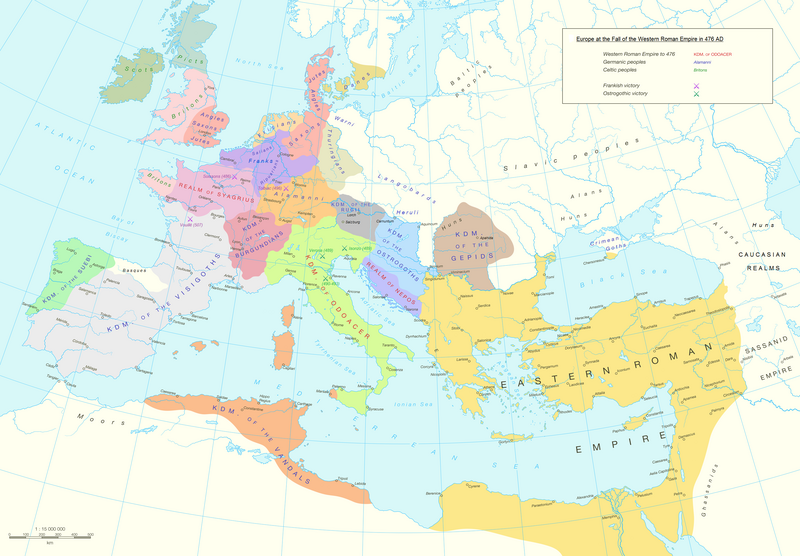
In 401, the Gepids, a Germanic tribe, established their settlement in the region that corresponds to modern-day Romania. This migration marked a significant shift in the demographic landscape of the area, as the Gepids brought with them their unique cultural practices, language, and traditions.
The arrival of the Gepids in Romania had a substantial impact on the region's political and social dynamics. As the tribe settled in the area, they interacted with the existing populations, contributing to the cultural exchange and shaping the local society. Their presence also played a role in the ongoing power struggles and alliances among various tribes and kingdoms in the region.
The Gepids were known for their skilled warriors and strategic prowess, which often made them formidable allies or adversaries. Their settlement in Romania meant that they became key players in the geopolitical scene of the time, influencing the balance of power and shaping the course of events in the region.
Over time, the Gepids' presence in Romania left a lasting imprint on the local customs, traditions, and even the physical landscape. Their legacy can be seen in archaeological findings, historical records, and the cultural heritage of modern-day Romania.
As the Gepids settled in Romania in 401, they set in motion a series of events that would shape the region's history for years to come. Their migration marked a turning point in the cultural and political evolution of the area, leaving behind a legacy that resonates to this day.
#Gepids #GermanicTribe #Romania #CulturalExchange #HistoricalMigration
Primary Reference
https://s3.eu-central-1.amazonaws.com/deepset.ai-f...

Explore the Life Moments of
 AI Twin