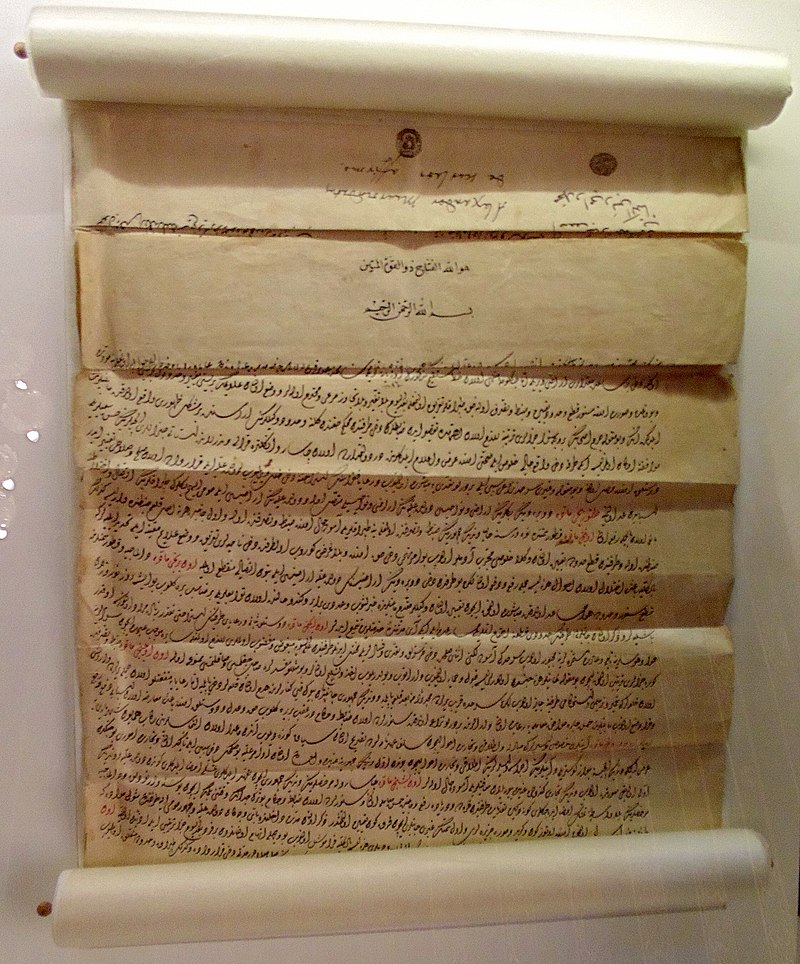
Treaty of Karlowitz: Securing Transylvania under Habsburg rule
Romania
Political
4 min read
Updated By: History Editorial Network (HEN)
Published:
The Treaty of Karlowitz concluded the Austro-Ottoman Wars, resulting in the Habsburgs gaining control of Transylvania. The conflict began due to Ottoman expansion into Central Europe, threatening Habsburg territories. With the decisive Battle of Zenta in 1697, the Habsburgs secured a pivotal victory. This success paved the way for negotiations leading to the Treaty of Karlowitz.
The treaty marked a significant shift in power dynamics in the region, as the Ottomans ceded significant territories to the Habsburg Monarchy. Transylvania, a historic region with a diverse population, became a vital part of the Habsburg-controlled territories. This event solidified Habsburg influence in Central Europe while limiting Ottoman expansion.
The Treaty of Karlowitz had lasting implications for the region. It not only ended decades of conflict between the Habsburgs and Ottomans but also reshaped political boundaries in Southeastern Europe. The agreement brought stability to the region and allowed for cultural and economic exchanges to flourish under Habsburg rule.
The treaty's impact on Transylvania was profound. The region experienced a transition from Ottoman to Habsburg administration, bringing changes to governance, society, and culture. Under Habsburg rule, Transylvania saw developments in infrastructure, education, and trade, contributing to its integration into the Habsburg Monarchy.
Overall, the Treaty of Karlowitz was a watershed moment in the history of Southeastern Europe. It marked the end of the Austro-Ottoman Wars, secured Transylvania under Habsburg rule, and reshaped the geopolitical landscape of the region for years to come.
#TreatyofKarlowitz #AustroOttomanWars #Transylvania #HabsburgMonarchy #SoutheasternEurope
Primary Reference
The Peace of Karlowitz (1699) - Oxford Public International Law

Explore the Life Moments of
 AI Twin