The Treaty of Bucharest: Russo-Turkish War Ends with Russian Gains
Romania

Political
3 min read
Updated By: History Editorial Network (HEN)
Published:
In 1812, the Russo-Turkish War came to an end with the signing of the Treaty of Bucharest. The conflict arose from longstanding territorial disputes and competition for influence in Eastern Europe between the Russian and Ottoman Empires. The war had severe consequences for both sides, with battles fought across the region.
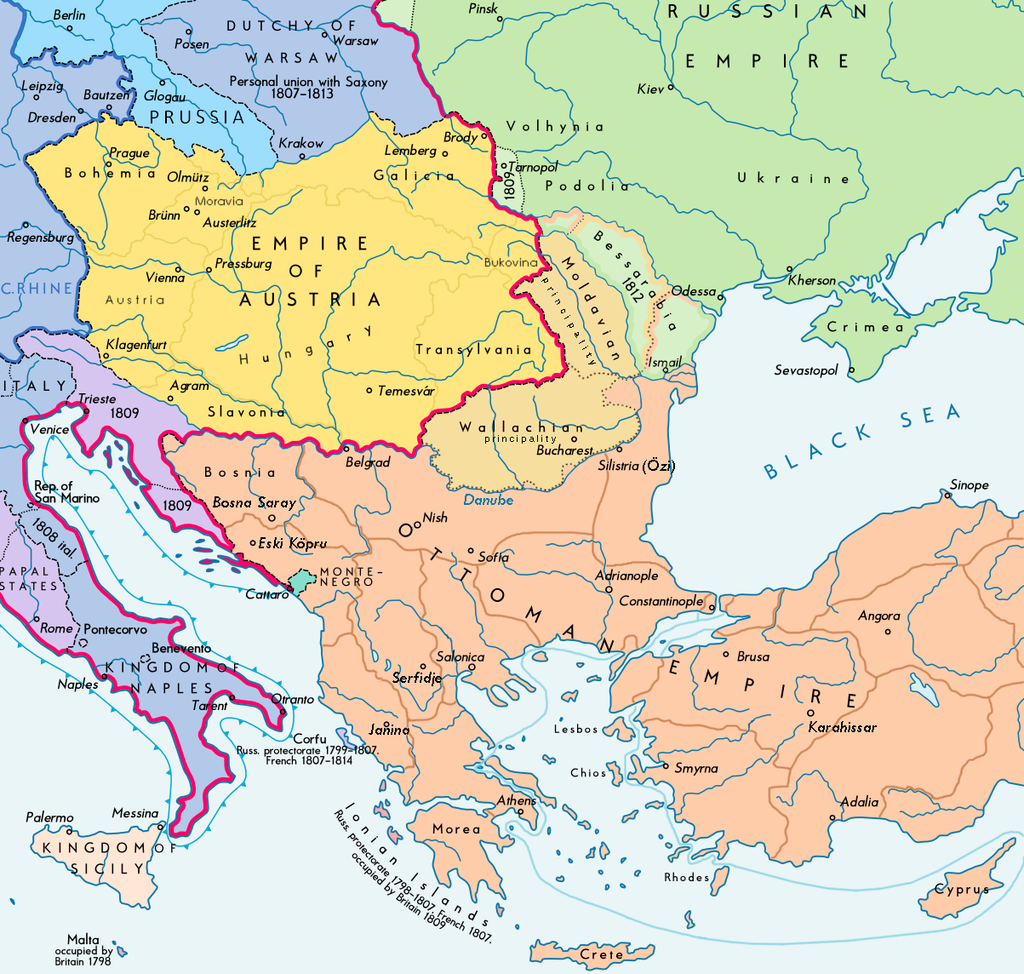
After several years of fighting, the Treaty of Bucharest was negotiated and signed, resulting in territorial concessions to Russia. The Ottoman Empire ceded parts of Bessarabia to Russia, marking a significant gain for the expanding Russian Empire. The treaty also included provisions for prisoner exchanges and the establishment of diplomatic relations between the two powers.
The signing of the Treaty of Bucharest had a lasting impact on the region. It solidified Russia's position as a major power in Eastern Europe and set the stage for further territorial expansion in the following decades. The concessions granted to Russia reshaped the borders in the region and contributed to ongoing tensions between the Russian and Ottoman Empires.
The signing of the Treaty of Bucharest was a pivotal moment in the history of Eastern Europe, marking the end of a conflict that had far-reaching implications for the region. The negotiations and outcomes of the treaty continue to be studied by historians and analysts interested in the geopolitics of the era.
#RussoTurkishWar #TreatyofBucharest #TerritorialConcessions #Russia #OttomanEmpire #EasternEurope
Primary Reference
Crimean War - Wikipedia
Explore the Life Moments of
 AI Twin