Devastating Eruption Displaces Thousands
Philippines
Natural Disaster
Resilience
3 min read
Updated By: History Editorial Network (HEN)
Published:
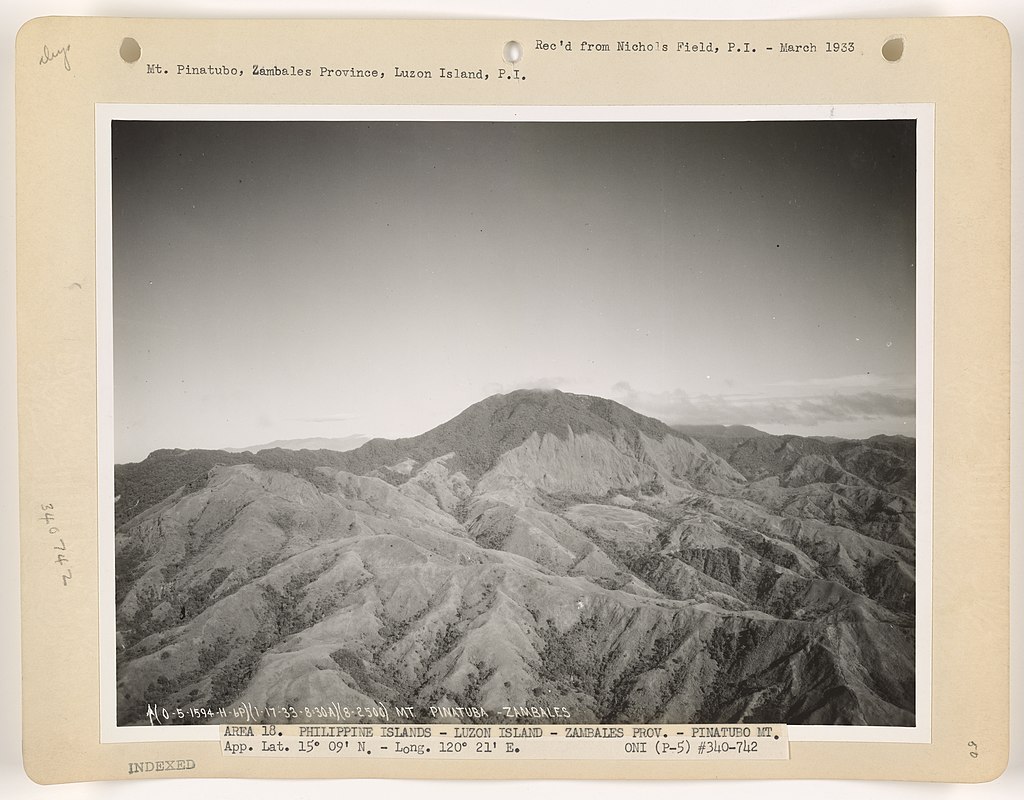
In June 1991, Mount Pinatubo, a volcano located in the Philippines, experienced a catastrophic eruption after being dormant for over 600 years. The eruption sent plumes of ash and smoke 40 kilometers into the air, causing widespread destruction in the surrounding areas.
The impact of the eruption was devastating, with lahars, volcanic mudflows, burying entire towns and causing rivers to overflow their banks. Thousands of people were displaced from their homes, and infrastructure such as roads, bridges, and buildings were severely damaged. The ash and debris thrown into the atmosphere led to a drop in global temperatures for the following years.
Rescue and relief efforts were quickly mobilized to help the affected population, but the scale of the disaster was immense. Many people lost their homes and livelihoods, and the agricultural sector suffered significant losses due to the destruction of crops and farmland.
The eruption of Mount Pinatubo serves as a stark reminder of the power of nature and the need for preparedness in the face of such disasters. It also highlights the resilience of the Filipino people in rebuilding their lives and communities in the aftermath of a tragedy.
#MountPinatubo #Philippines #NaturalDisaster #VolcanoEruption #Resilience

Explore the Life Moments of
 AI Twin