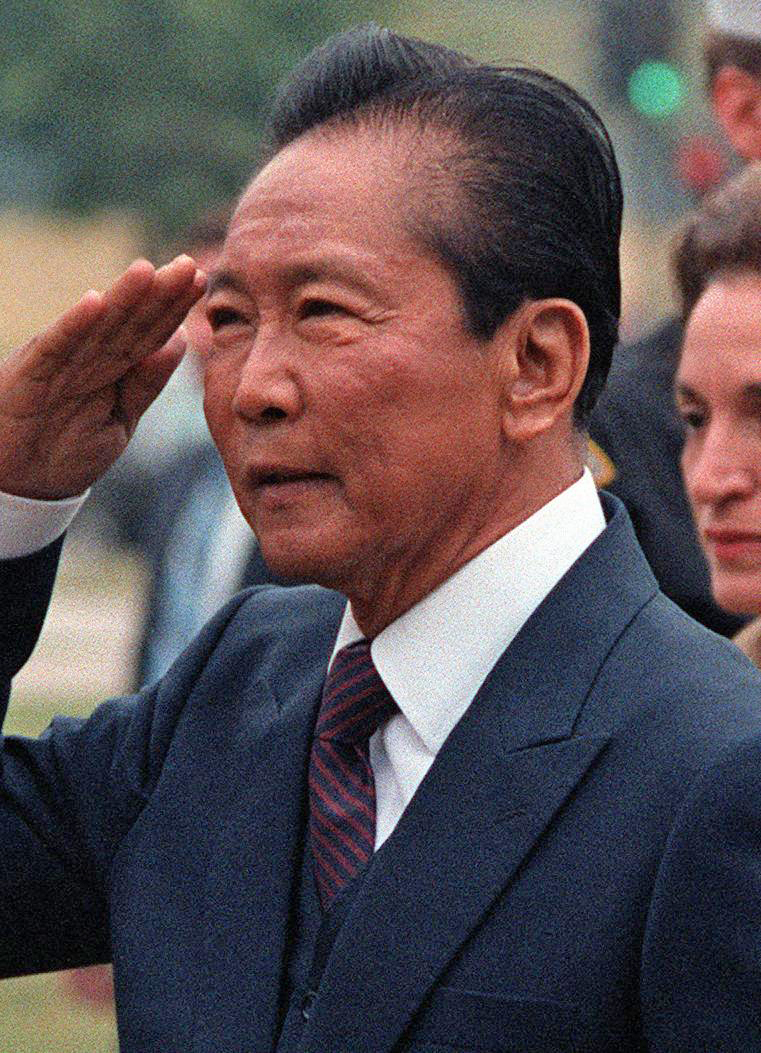
Marcos gains absolute powers in new constitution.
Philippines
Political
Global Trade
4 min read
Updated By: History Editorial Network (HEN)
Published:
President Ferdinand Marcos of the Philippines proclaimed a new constitution, granting himself unprecedented authority. The move centralized power within his grasp, effectively establishing a dictatorship. Under the guise of reform, Marcos expanded his control over the government, judiciary, and military. This marked a turning point in Philippine history, as the country descended into a period of authoritarian rule.
The new constitution bestowed Marcos with absolute powers, allowing him to rule by decree and bypass the usual checks and balances. Opposition was swiftly suppressed through censorship, arrests, and violence. Civil liberties eroded as dissenting voices were silenced, and political opponents were marginalized or exiled. The Marcos regime justified its actions by citing the need for stability and economic development, but it ultimately led to widespread corruption, human rights abuses, and economic inequality.
The international community expressed concerns about the erosion of democracy in the Philippines and the deteriorating human rights situation. Despite increasing isolation on the global stage, Marcos remained steadfast in consolidating his power. His grip on the country tightened as he entrenched his family and allies in key positions of authority, ensuring his rule continued unchallenged.
The new constitution giving Marcos absolute powers had lasting repercussions for the Philippines, shaping its political landscape for years to come. It highlighted the fragility of democratic institutions and the ease with which authoritarianism can take hold. The legacy of Marcos' dictatorship continued to haunt the country, serving as a cautionary tale against the dangers of unchecked power.
#MarcosRegime #Authoritarianism #PhilippinesHistory #Dictatorship

Explore the Life Moments of
 AI Twin