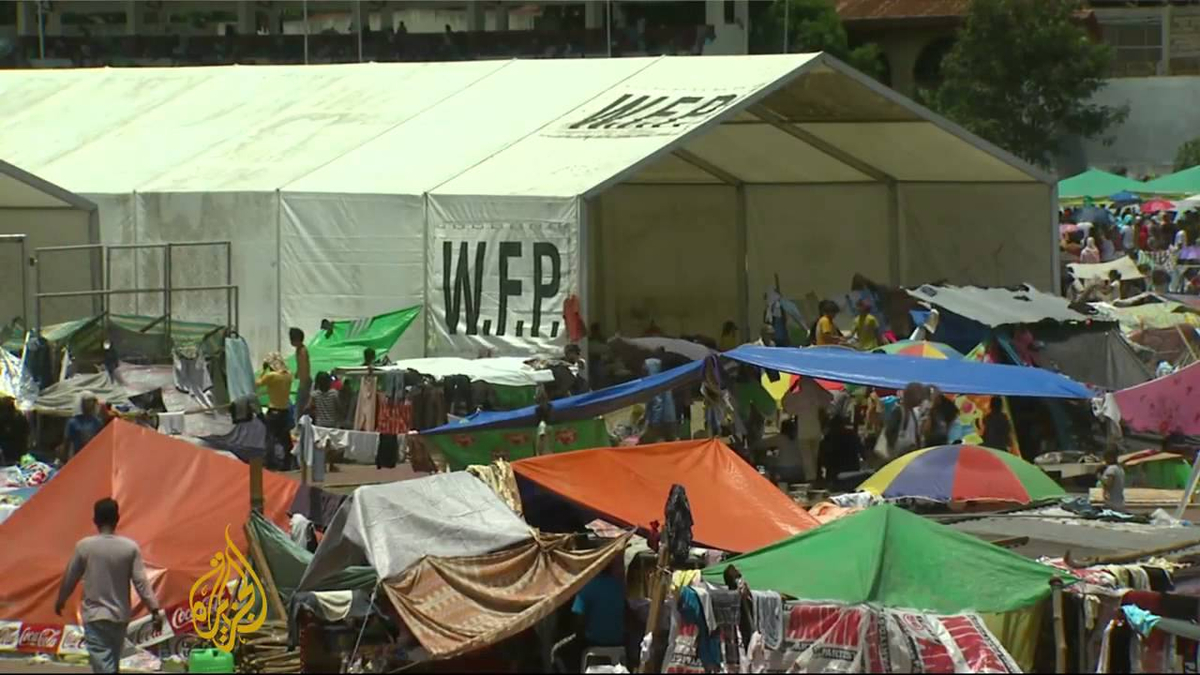
Stand-off prompts massive evacuation in Zamboanga
Philippines
Political
Humanitarian
4 min read
Updated By: History Editorial Network (HEN)
Published:
In the southern city of Zamboanga, a stand-off between the army and rebel remnants of Moro National Liberation Front resulted in 75,000 residents fleeing their homes. This conflict is rooted in the decades-long struggle for autonomy by the Moro people in the Philippines.
The Moro National Liberation Front, seeking an independent Muslim state in Mindanao, signed a peace agreement with the government in the 1990s. However, some rebel factions continued to resist, leading to sporadic violence in the region. The stand-off in Zamboanga was a result of these lingering tensions.
As the conflict escalated, the streets of Zamboanga turned into a battleground, with gunfire and explosions echoing throughout the city. The army engaged in fierce combat with the rebels, leading to casualties on both sides. Civilians, caught in the crossfire, were forced to flee their homes, seeking refuge in evacuation centers.
The humanitarian impact of the stand-off was significant, with thousands of families displaced and in need of assistance. Basic services were disrupted, and the city was plunged into a state of crisis. The conflict also raised concerns about the fragile peace process in Mindanao and the challenges of addressing the root causes of insurgency in the region.
In the aftermath of the stand-off, efforts were made to restore order and provide aid to the displaced residents. The Philippine government reiterated its commitment to peace and development in Mindanao, highlighting the importance of addressing the grievances of marginalized communities.
#ZamboangaStandoff #MoroConflict #PhilippinesCrisis #HumanitarianEmergency #PeaceBuilding

Explore the Life Moments of
 AI Twin