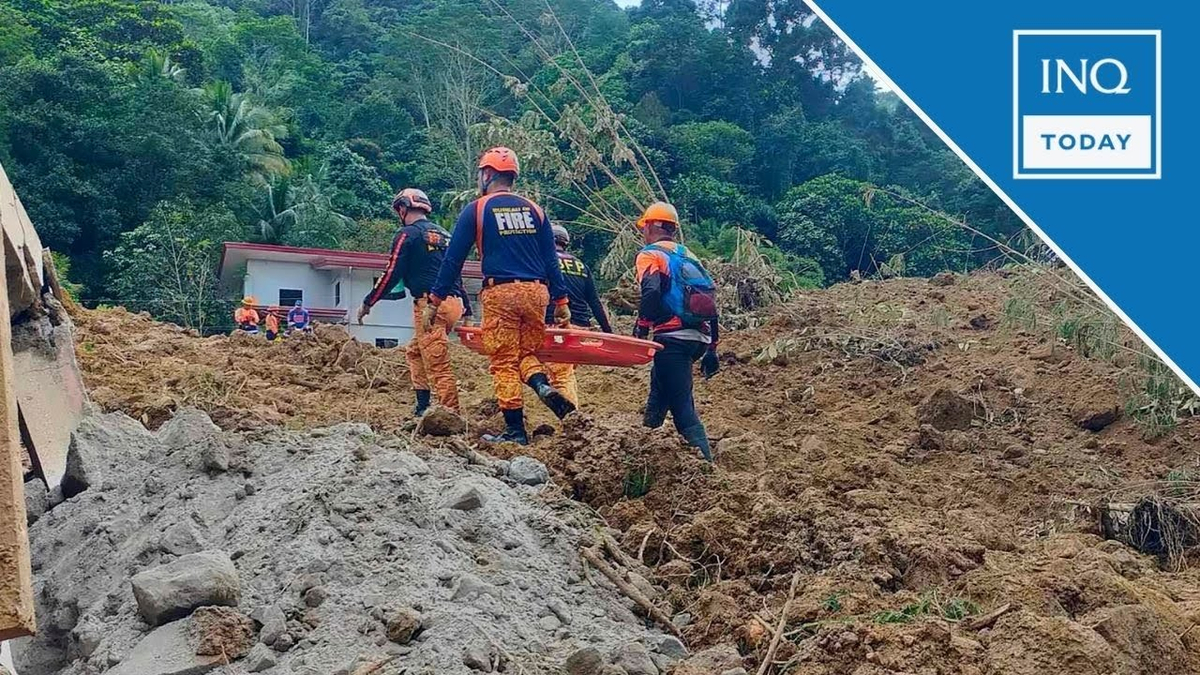
Deadly landslide in Maco, Davao de Oro kills at least 68 people
Philippines
4 min read
Updated By: History Editorial Network (HEN)
Published:
A deadly landslide struck Maco in Davao de Oro, Philippines, killing at least 68 people and causing widespread destruction across affected communities. The disaster, triggered by heavy rainfall and unstable terrain, buried homes, roads, and farmland, leaving many residents trapped or displaced. Emergency responders, local authorities, and military units quickly mobilized search-and-rescue operations to recover survivors and provide medical assistance, food, and temporary shelter. Access to some affected areas was severely hindered due to debris and damaged infrastructure, complicating relief efforts. The landslide has drawn national attention, prompting calls for urgent disaster response and long-term mitigation strategies.
The Maco landslide carries significant humanitarian, environmental, and socio-economic implications. Humanitarian concerns are immediate, as survivors face critical shortages of food, clean water, and medical care, while families cope with the loss of loved ones. Environmentally, the disaster underscores vulnerabilities related to deforestation, land use practices, and soil instability in high-risk areas. Economically, the destruction of homes, farmland, and local infrastructure threatens livelihoods and may require extensive reconstruction and rehabilitation. Socially, the event highlights the importance of disaster preparedness, early warning systems, and community awareness programs in mitigating the impact of natural hazards. Overall, the Maco landslide represents a tragic disaster with far-reaching consequences, emphasizing the urgent need for coordinated relief, sustainable land management, and improved disaster resilience in vulnerable regions.

Explore the Life Moments of
 AI Twin