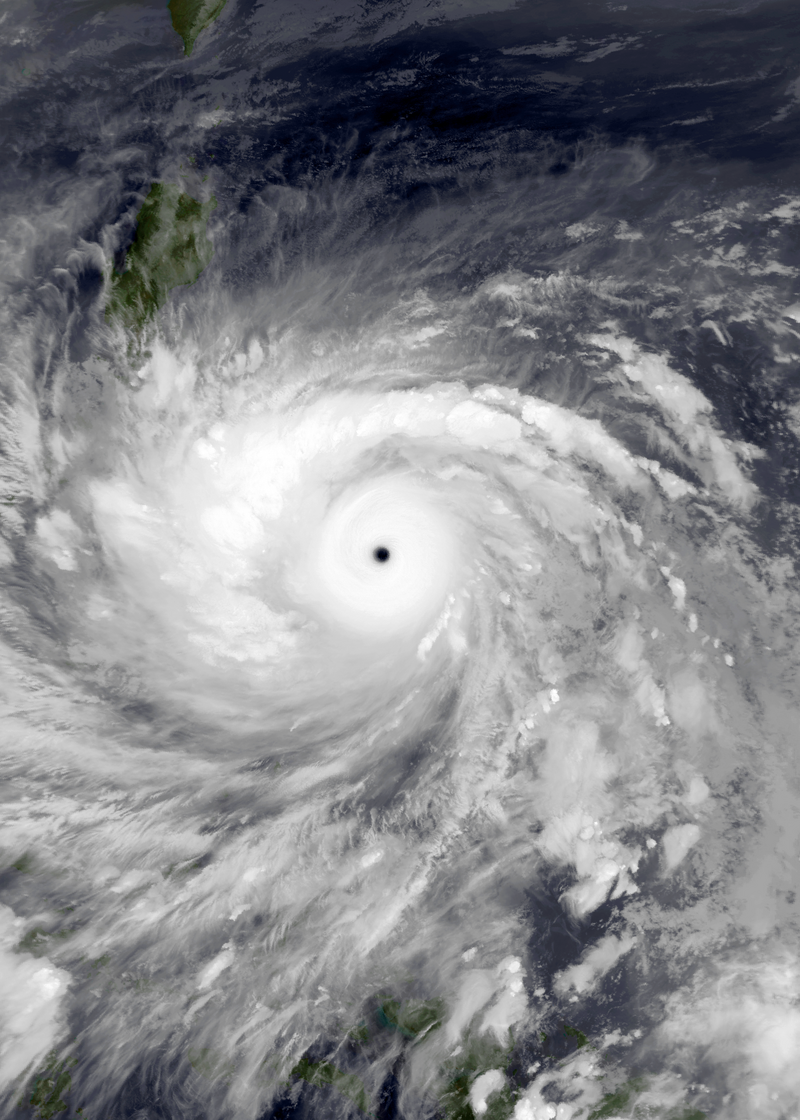
Typhoon Haiyan: Widespread Devastation
Philippines
Natural Disaster
Humanitarian Crisis
4 min read
Updated By: History Editorial Network (HEN)
Published:
On November 8, Typhoon Haiyan, known as Yolanda in the Philippines, struck the country, bringing catastrophic destruction. With wind speeds reaching 195 mph, it was one of the strongest typhoons ever recorded, causing storm surges as high as 20 feet in some coastal areas. The provinces of Leyte and Samar were among the hardest hit, with thousands of homes demolished and infrastructure severely damaged.
The typhoon left a trail of devastation, affecting millions of people and causing widespread displacement. The storm surge submerged entire communities, leaving thousands dead and many more injured. Access to clean water, food, and medical supplies became scarce, exacerbating the humanitarian crisis.
The Philippines government, along with international aid agencies, launched massive relief efforts to assist those affected by the disaster. The days and weeks following the typhoon saw a global outpouring of support, with countries and organizations offering financial aid, relief supplies, and sending personnel to help with the recovery process.
Reconstruction and rehabilitation efforts in the affected areas took years, with many communities still rebuilding homes and livelihoods. The typhoon served as a stark reminder of the vulnerability of coastal regions to extreme weather events, highlighting the need for better disaster preparedness and response measures.
The resilience of the Filipino people shone through as they came together to support each other in the face of adversity. The lessons learned from Typhoon Haiyan have since informed disaster risk reduction strategies and climate change adaptation initiatives in the Philippines and beyond.
#TyphoonHaiyan #Yolanda #PhilippinesStrong #DisasterResponse #ClimateChangeAdaptation

Explore the Life Moments of
 AI Twin