
Iraq

The Cradle of Civilization
Related Lives

Greatest Natural Disasters of World
History of Natural Disasters of World

Bolivia
The Heart of South America

Laos
Land of a Million Elephants

Ivory Coast
The Land of Tropical Beauties.

Turkey
The Land of Singing Trees

United Kingdom
Great Britain

Portugal
The Land of Explorers
Bolivia
The Heart of South America

1870
In 1870, the establishment of the Municipal Council marked a crucial development in local governance. Born out of the need for structured administration in growing urban areas, the council served as a platform for elected representatives to make decisions on public services and infrastructure.
The impact of the Municipal Council was profound, bringing about improved municipal services such as waste management, water supply, and street lighting. It also provided a channel for residents to voice their concerns and participate in shaping their communities.
Over time, the Municipal Council became a cornerstone of democracy at the local level, fostering transparency and accountability in decision-making processes. It played a key role in urban development and in addressing the needs of the growing population.
The establishment of the Municipal Council in 1870 laid the foundation for modern local governance structures and set a precedent for community involvement in municipal affairs. Its legacy continues to shape the way cities and towns are managed today.
#MunicipalCouncil #LocalGovernance #CommunityInvolvement #UrbanDevelopment
View detailsIn 1870, the city walls were demolished, marking the end of an era of fortification and isolation for the city. The walls were originally built for defense purposes during times of conflict, but as the city evolved and expanded, they became obstacles to growth and development.
The demolition of the city walls had a profound impact on the urban landscape, opening up space for the construction of new roads, buildings, and public parks. It facilitated easier movement in and out of the city, fostering trade and cultural exchange with neighboring regions. The removal of the walls symbolized a shift towards a more open and interconnected society.
This event reshaped the city both physically and socially, allowing for modernization and progress to take place. It reflected a departure from a mindset of fear and protection towards one of growth and connectivity. The city walls may have been torn down, but their legacy as symbols of resilience and history remained ingrained in the collective memory of the city's inhabitants.
#UrbanTransformation #OpenBorders #Progress #HistoricalLegacy
View details1848
Establishment of Roman Catholic Archdiocese in Baghdad signifies religious foundation in the region.
The Roman Catholic Archdiocese of Baghdad was established in 1848, representing a significant development in the religious landscape of Iraq. With a history dating back to ancient times, Baghdad held strategic importance as a center of culture, trade, and influence in the region. The establishment of the archdiocese by the Vatican solidified the presence of the Roman Catholic Church in this predominantly Muslim country.
This event marked a milestone in the Catholic Church's efforts to expand its reach and provide spiritual guidance to believers in Baghdad and beyond. The archdiocese played a crucial role in fostering community engagement, promoting faith-based initiatives, and supporting the local Christian population. The presence of the archdiocese also served as a symbol of religious diversity and tolerance in a region where various faiths coexisted.
With the establishment of the Roman Catholic Archdiocese of Baghdad, the Church strengthened its mission to spread its teachings and values in the heart of the Middle East. The impact of this event continues to resonate today, shaping the religious identity and cultural heritage of the region.
#RomanCatholic #BaghdadArchdiocese #InterfaithHarmony #CulturalHeritage
View details1831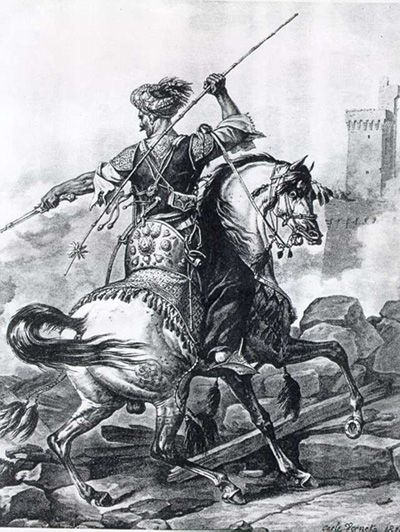
In 1931, the Ottomans successfully overthrew the Mamluk regime in Iraq, consolidating direct control over the region. This shift in power marked a significant political transformation in the area. The Mamluks had controlled Iraq for a considerable period before the Ottomans' intervention, their rule characterized by a complex hierarchy and distinct social structures.
The Ottoman conquest brought about administrative changes, leading to the establishment of new governance systems and policies in Iraq. This transition not only altered the political landscape but also impacted the region's social and economic structures. The Ottoman Empire's direct rule brought about cultural influences and new modes of governance, reshaping Iraq's societal dynamics.
The imposition of Ottoman control over Iraq paved the way for a period of significant transformation and integration within the broader empire. This transition marked a shift in power dynamics and administrative structures in the region, leaving a lasting impact on Iraq's historical trajectory.
#OttomanEmpire #MamlukRegime #IraqControl #PoliticalTransformation #HistoricalImpact #AdministrativeChanges
View details1802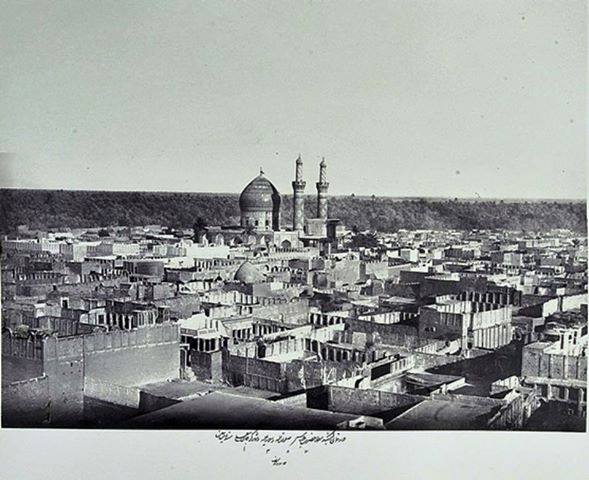
During the Wahhabi invasion of Iraq, Karbala and Najaf fell victim to devastating attacks in 1802. The Wahhabi movement, known for its strict interpretation of Islam, aimed to eliminate perceived religious practices deemed impure. This invasion marked a ruthless chapter as the holy cities faced brutal sieges, resulting in significant damage to sacred sites and the loss of countless lives.
The invasion of Karbala and Najaf shook the Muslim world, with Shia communities bearing the brunt of the violence. The sack of these revered cities left a lasting impact on the religious landscape, sparking outrage and revulsion among followers. The desecration of shrines and the massacre of innocent worshippers fueled tensions and sectarian strife.
In the aftermath of the invasion, efforts to rebuild and restore the sanctity of Karbala and Najaf commenced, highlighting the resilience and determination of the affected communities to preserve their religious heritage. The memory of this dark period serves as a reminder of the importance of unity and vigilance in safeguarding sacred spaces.
#WahhabiInvasion #Karbala #Najaf #IraqHistory #ReligiousConflict #Resilience
View details1747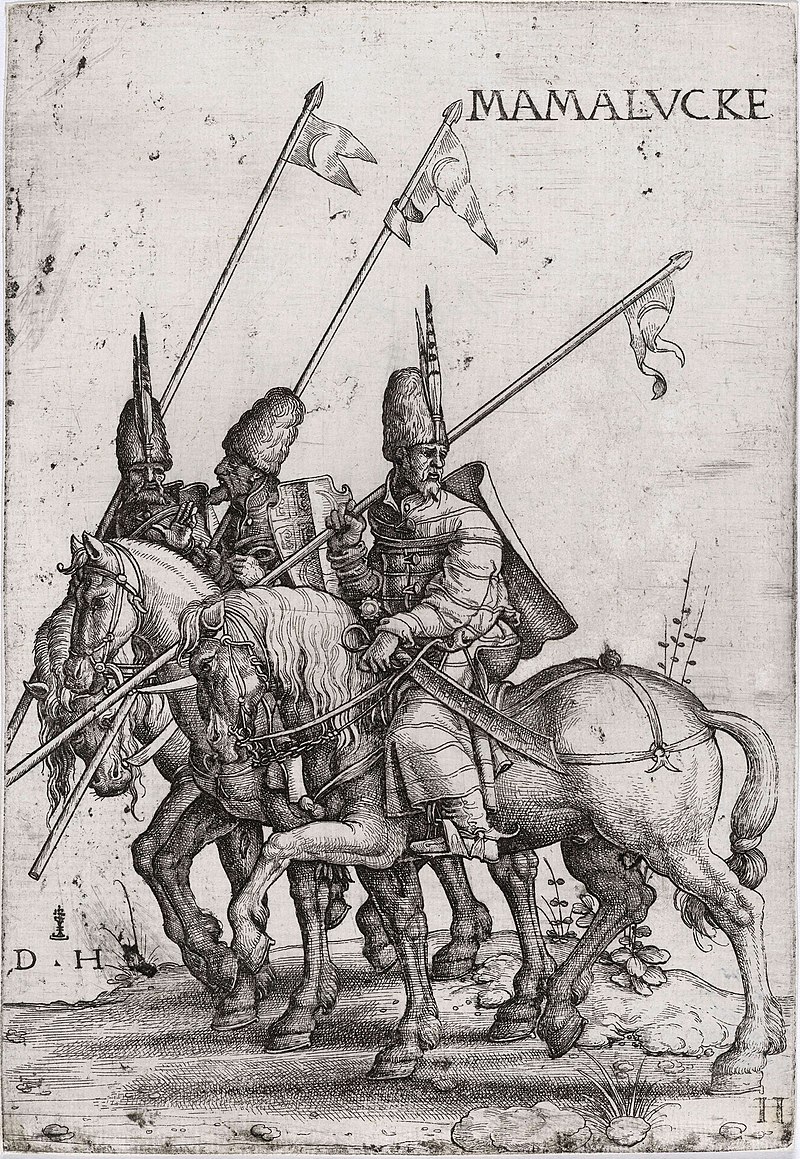
In 1747, the Mamluk dynasty of Georgian descent assumed rulership in Iraq, marking a significant shift in the region's governance. The Mamluks were originally enslaved soldiers who rose to power in various Muslim countries. The Georgian Mamluks promised stability and economic growth in Iraq, seeking to establish authority and restore order after a period of unrest.
Under the Mamluk rule, Iraq witnessed the consolidation of power and the implementation of administrative reforms. The dynasty aimed to improve the economy, promote trade, and strengthen military defenses. Their reign brought about a period of relative prosperity and security for the people of Iraq.
The cultural influence of the Georgian Mamluks also left a lasting impact on Iraqi society. Art, architecture, and literature flourished during this period, reflecting a blend of Georgian and Islamic traditions.
Overall, the reign of the Mamluk dynasty of Georgian descent in Iraq was a defining moment in the country's history. Their rule shaped the political landscape, fostering stability and development in the region.
#MamlukDynasty #GeorgianHeritage #IraqHistory #CulturalInfluence
View details1733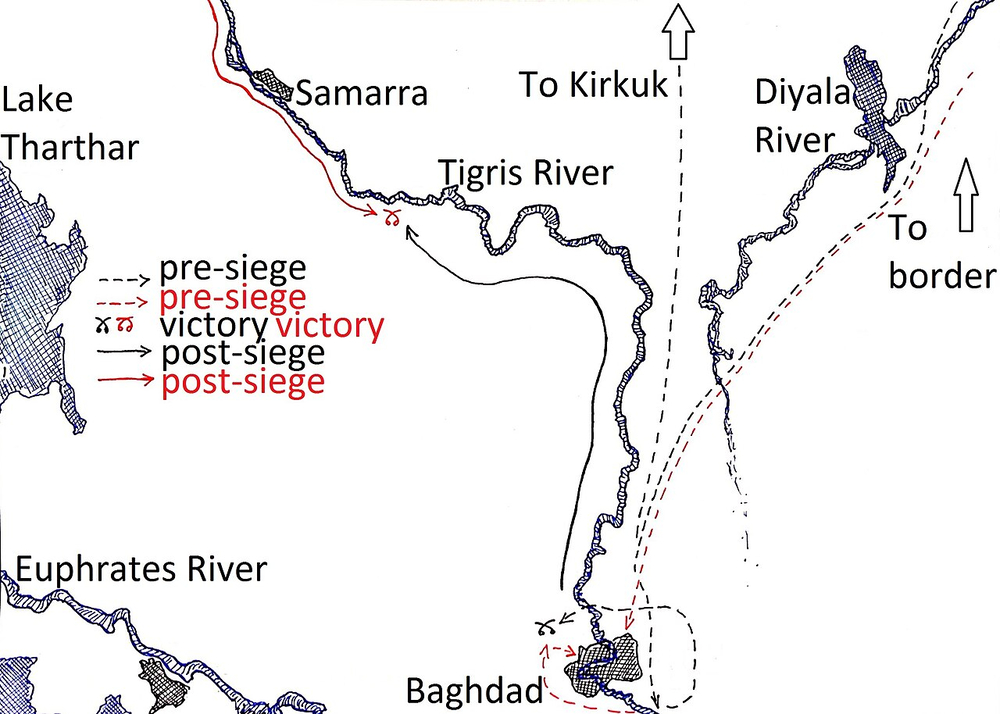
In 1733, Baghdad fell to Nadir Shah of Persia after a swift and decisive conquest. The city, situated strategically on trade routes and with a rich cultural heritage, had long been a prized possession in the region. Nadir Shah's capture of Baghdad marked a significant shift in power dynamics, as it brought the prosperous city under Persian control.
The fall of Baghdad to Nadir Shah had a profound impact on the political landscape of the time. It further solidified Persian influence in the region and dealt a blow to the Ottoman Empire, which had previously held sway over Baghdad. The conquest also brought about changes in governance, administration, and cultural dynamics in the city.
Nadir Shah's capture of Baghdad underscores the historical importance of the city as a coveted prize in the power struggles of the Middle East. The event serves as a reminder of the fluid nature of political boundaries and the continual contest for dominance in the region. The implications of this event reverberated far beyond Baghdad, shaping the course of history for centuries to come.
#BaghdadCapture #NadirShah #PersianEmpire #MiddleEastHistory
View details1683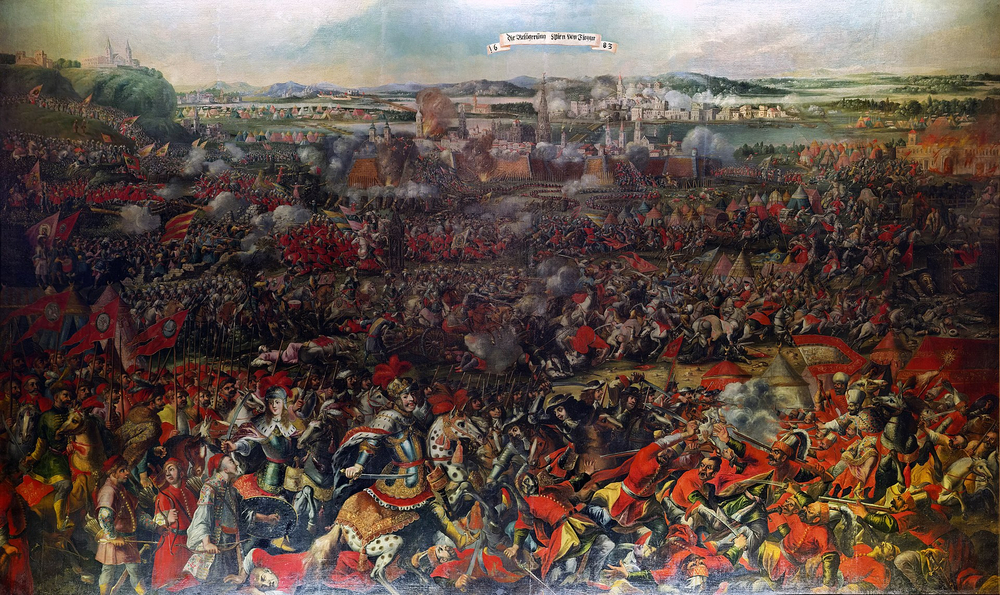
The Battle of Vienna was a pivotal confrontation between the Ottoman Empire and the Holy Roman Empire, aided by Polish-Lithuanian forces. The Ottomans had been expanding their territories into Europe for centuries, and Vienna stood as a crucial stronghold in their path. The siege lasted for weeks, with the defenders holding out against the Ottoman forces. Eventually, the arrival of reinforcements led by King John III Sobieski of Poland turned the tide, resulting in a decisive victory for the Holy Roman Empire.
The defeat at Vienna marked a turning point for the Ottoman Empire, weakening their control over territories they had previously dominated, including Iraq. This loss hindered their ability to expand further into Europe and solidified the power of the Holy Roman Empire in the region. The Battle of Vienna had far-reaching consequences, shaping the geopolitical landscape of Europe and the Middle East for years to come.
#BattleOfVienna #OttomanEmpire #HolyRomanEmpire #Iraq #GeopoliticalShifts
View details1639
Following the Treaty of Kerden, the Ottoman Empire regained control of Iraq from the Safavids. The treaty ended years of conflict between the two empires over territorial disputes. With this agreement, the Ottomans solidified their authority in the region, gaining strategic advantages and access to valuable resources.
The event marked a turning point in the power dynamics of the Middle East, reshaping alliances and boundaries. The Ottomans' control over Iraq allowed them to strengthen their hold on trade routes, enhance military presence, and exert cultural influence. The Safavids, on the other hand, faced a significant loss of territory and influence in the region.
The Treaty of Kerden not only brought a temporary resolution to the conflict between the Ottoman Empire and the Safavids but also laid the groundwork for future geopolitical developments in the region. The repercussions of this event were felt for years to come, influencing the political landscape of Iraq and neighboring territories.
#OttomanEmpire #Safavids #TreatyofKerden #Iraq #Geopolitics #MiddleEast
View details1634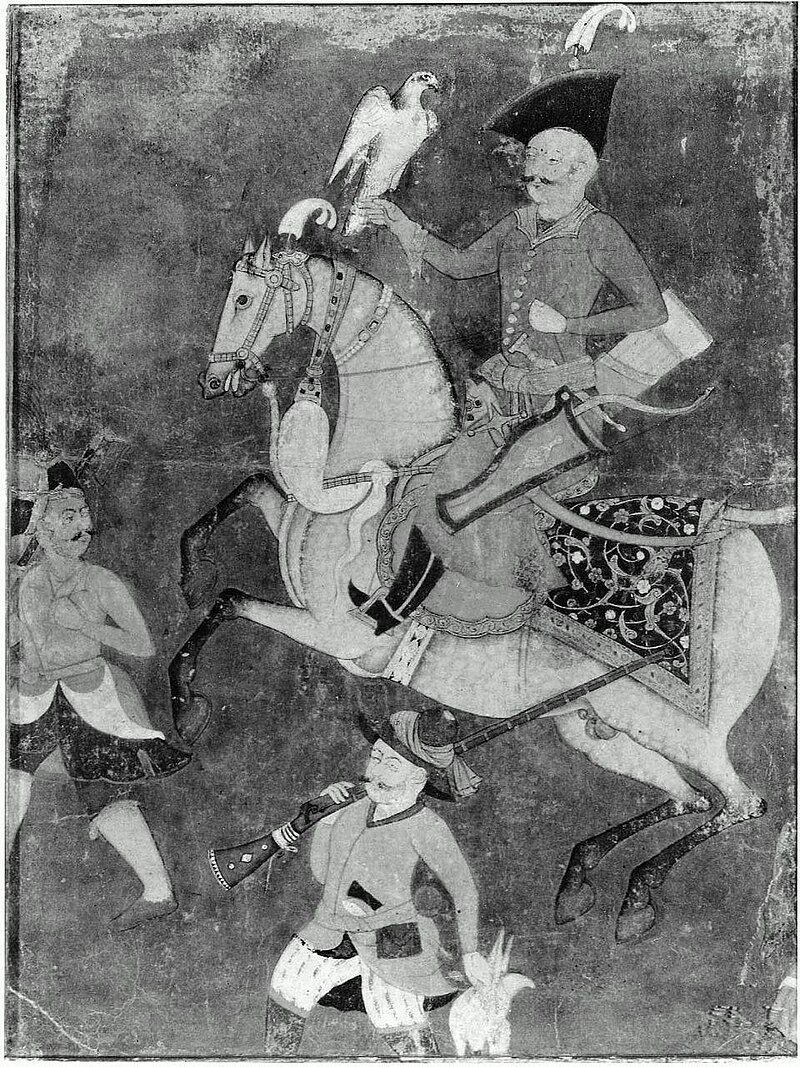
In 1634, the Ottoman Empire seized Baghdad, commencing their dominion over Iraq. This marked a significant shift in the region's power dynamics, as Baghdad was a strategic center of trade, culture, and politics. The Ottoman Empire aimed to expand its territories and control over the Persian Gulf and Indian Ocean trade routes, thus enhancing its economic and military power.
The capture of Baghdad led to the imposition of Ottoman administrative systems and taxation in Iraq, altering the local governance structure. The Ottomans also integrated Iraqi soldiers into their military to strengthen their forces. This period saw cultural exchange and assimilation between the Turks and Iraqis, influencing art, architecture, and cuisine.
The Ottomans ruled Iraq for centuries, leaving a lasting impact on its societal, economic, and political landscapes. The capture of Baghdad in 1634 was a turning point in the history of Iraq, shaping its trajectory for years to come.
#OttomanEmpire #BaghdadCapture #IraqHistory #PowerShift #CulturalExchange
View details1623
The revival of the Safavid Empire in Persia sparked a fierce conflict with the Ottoman Empire over control of Iraq. The Safavid Empire, under Shah Abbas I, witnessed a resurgence in power and territorial ambitions. As Persia sought to reclaim lost territories, including Iraq, tensions with the Ottomans escalated.
The conflict over Iraq became a key point of contention between the two empires, with both sides vying for control of the strategically important region. The Safavids, with their strong military and ambitious leadership, posed a significant threat to Ottoman dominance in the area.
The struggle for control over Iraq resulted in a series of military confrontations and diplomatic maneuverings between the Safavids and Ottomans. Both empires suffered heavy losses as they fought for supremacy in the region, leading to a protracted and bloody conflict.
Ultimately, the revival of the Safavid Empire and the ensuing conflict with the Ottoman Empire over Iraq reshaped the geopolitical landscape of the Middle East. The power struggle between these two empires had far-reaching consequences that reverberated throughout the region for years to come.
#SafavidEmpire #OttomanEmpire #IraqConflict #GeopoliticalStruggle #MiddleEastHistory
View detailsThe Battle of Diwaniya marked a turning point in the history of Iraq when the Ottoman Empire established its rule in the region. Following the battle, the Ottoman forces successfully overcame local resistance, solidifying their control over the territories of Iraq. This conquest led to the integration of Iraq into the administrative structure of the Ottoman Empire.
With the establishment of Ottoman rule in Iraq, significant changes were introduced in the region. The Ottoman authorities implemented new administrative policies, reformed the legal system, and imposed taxation on the local population. The integration of Iraq into the Ottoman Empire brought about a period of stability and centralized governance in the region.
The impact of the Battle of Diwaniya and the subsequent establishment of Ottoman rule in Iraq reverberated across the social, political, and economic landscape of the region. The Ottoman influence reshaped the cultural and religious practices of the Iraqi population, bringing them into the broader Ottoman socio-political framework.
The Battle of Diwaniya and the establishment of Ottoman rule in Iraq are pivotal events in the history of the region, marking a significant shift in power and governance. The legacy of this period continues to shape the historical narrative and identity of Iraq. #OttomanEmpire #IraqHistory #BattleofDiwaniya
View details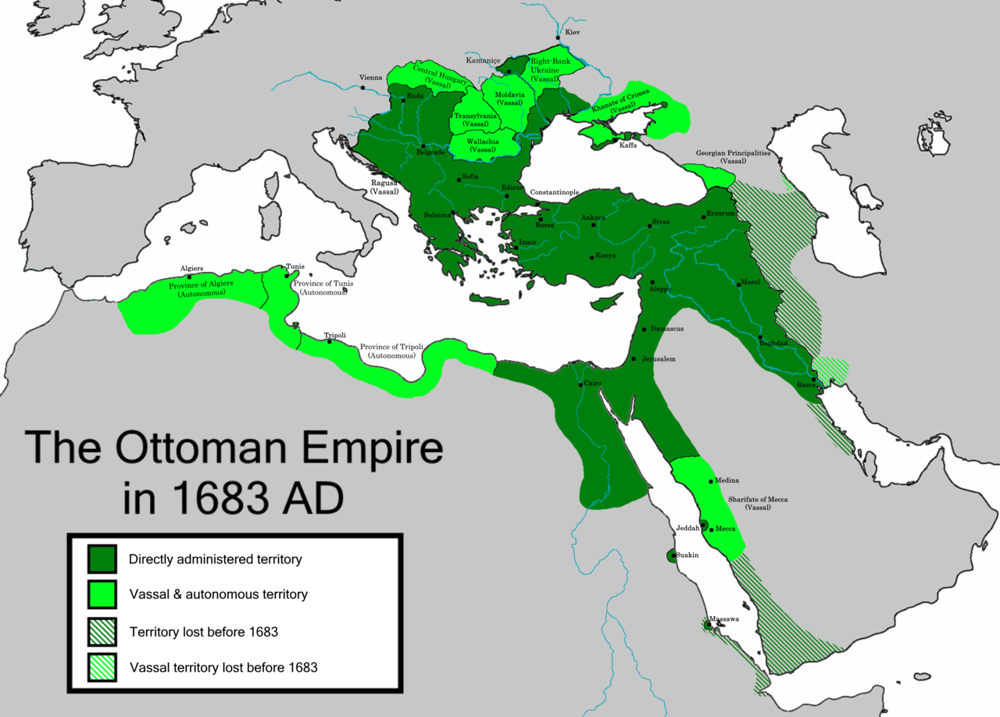
1598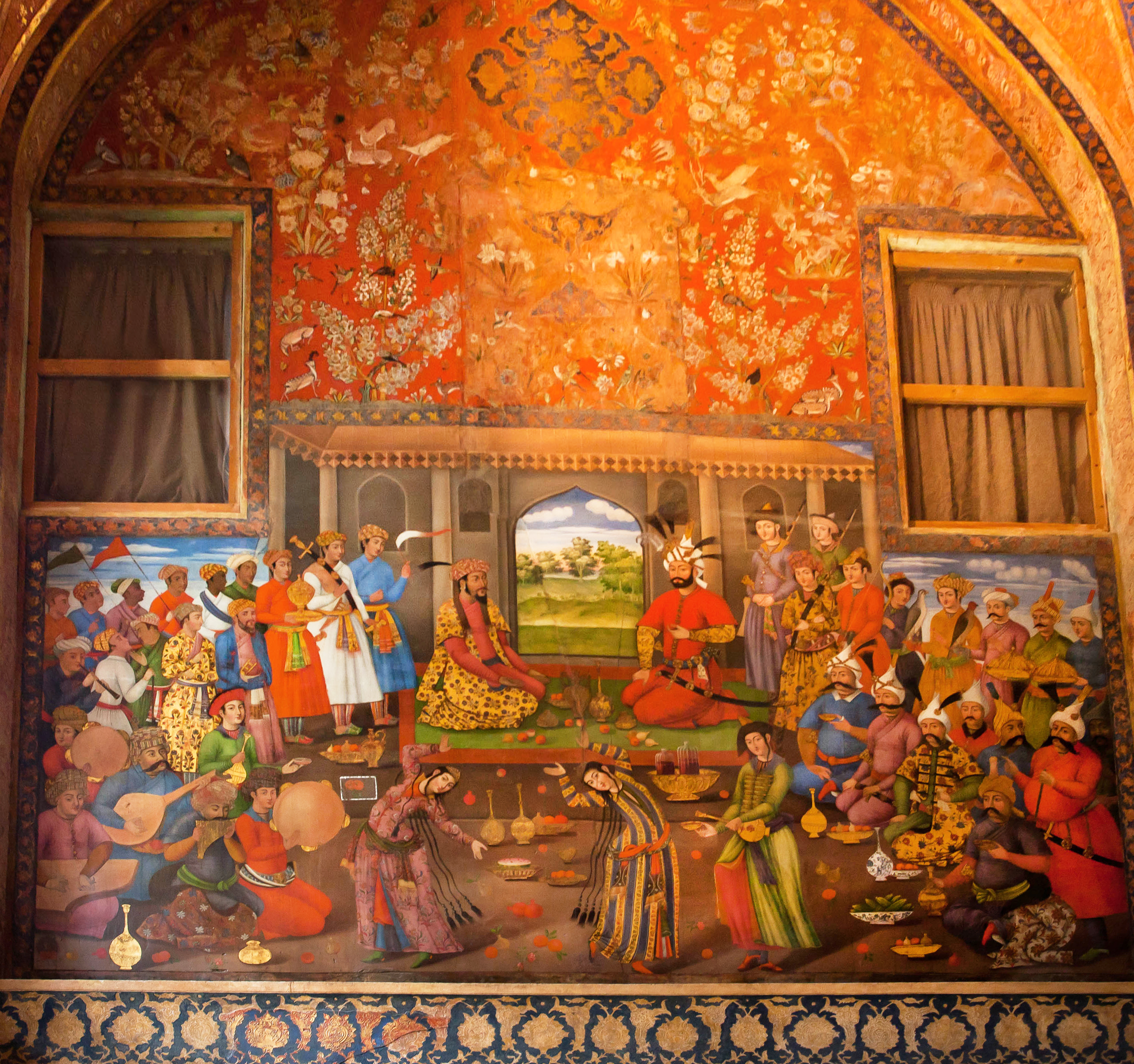
During the late sixteenth century, Shah Abbas I of the Safavid Empire made a strategic decision to relocate the capital from Qazvin to Isfahan. This move aimed to centralize power, strengthen control over the empire, and shift focus towards the more strategically located Isfahan. The transfer of the capital sparked a period of immense cultural and economic flourishing known as the Safavid Renaissance.
Isfahan soon became a vibrant hub of art, architecture, and commerce, attracting artists, architects, and merchants from far and wide. The city's skyline was transformed with magnificent structures like the Imam Mosque, Ali Qapu Palace, and the Lotfollah Mosque, all showcasing the finest examples of Islamic architecture. The Safavid rulers patronized the arts, leading to the development of exquisite crafts such as carpets, textiles, and miniatures.
The relocation of the capital to Isfahan also boosted trade and commerce, with the city positioned along key trade routes linking Europe and Asia. This economic prosperity further fueled the development of a sophisticated urban society.
The cultural and economic renaissance that followed the relocation of the capital to Isfahan marked a golden age for the Safavid Empire, leaving a lasting legacy in art, architecture, and commerce.
#SafavidEmpire #Isfahan #CulturalFlourishing #EconomicProsperity
View details1555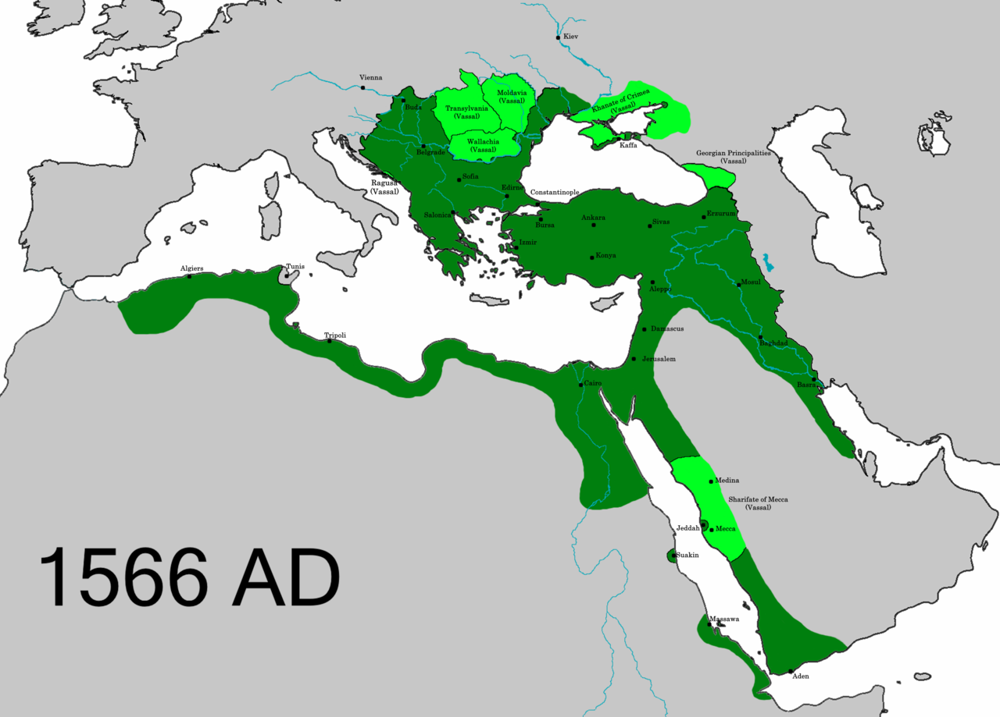
In the 16th century, the Treaty of Amasya was signed, bringing an end to the hostilities between the Safavid Empire and the Ottoman Empire. The treaty was a significant agreement that solidified the borders between the two empires, establishing a lasting peace in the region.
Prior to the treaty, the Safavid and Ottoman Empires had been engaged in a series of conflicts over territorial disputes and influence in the region. These hostilities had led to significant loss of life and resources for both empires. The signing of the Treaty of Amasya marked a turning point in their relationship, ushering in a period of relative stability and cooperation.
The treaty outlined clear boundaries for each empire, resolving many of the longstanding disputes that had fueled the conflicts. It also included provisions for trade and diplomatic relations, laying the foundation for peaceful coexistence between the Safavid and Ottoman Empires.
The Treaty of Amasya had a lasting impact on the political landscape of the region, shaping the dynamics between the two empires for years to come. It stands as a testament to the power of diplomacy in resolving conflicts and maintaining peace among neighboring states.
#TreatyOfAmasya #SafavidEmpire #OttomanEmpire #Peace #Diplomacy
View details1514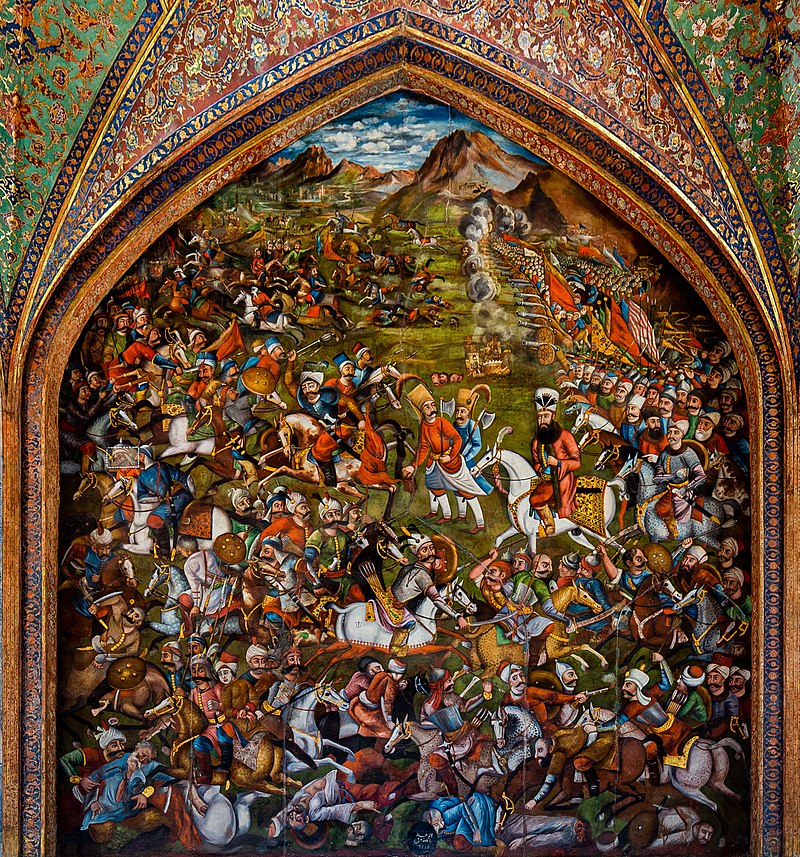
The Battle of Chaldiran saw the Ottoman Empire and Safavid Empire clash in a significant confrontation. The conflict arose due to territorial disputes and religious differences between the Sunni Ottomans and Shia Safavids. Strategically, the Ottoman Empire aimed to secure its western borders and halt the Safavid expansion.
The battle took place near Chaldiran, a town in present-day Iraq. The Ottoman army, led by Sultan Selim I, utilized advanced weaponry such as artillery, giving them a decisive advantage over the Safavids. Despite being outnumbered, the Ottomans' military tactics and firepower overwhelmed the Safavid forces, leading to a clear Ottoman victory.
The outcome of the Battle of Chaldiran had a lasting impact on the region. The Ottomans secured their western territories and diminished the Safavid threat, reshaping the balance of power in the region. The Safavids, on the other hand, suffered significant losses, including territorial setbacks and a weakening of their military capabilities.
The Battle of Chaldiran underscored the enduring rivalry between the Ottoman Empire and Safavid Empire, fueled by political ambitions and religious differences. This conflict highlighted the strategic importance of Iraq as a battleground for regional dominance. #OttomanEmpire #SafavidEmpire #TerritorialDisputes #MilitaryHistory #IraqBattle
View details1469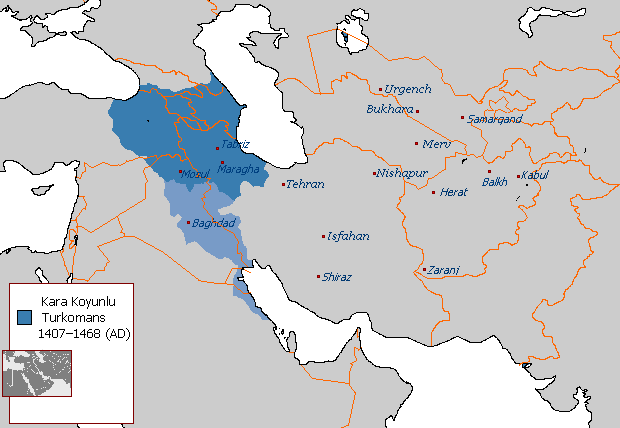
In 1469, the Kara Koyunlu Turkomans led a siege on Baghdad, a key city in the heart of Mesopotamia. The city, once a flourishing center of trade and culture, had weakened due to internal conflicts and the declining power of the Timurid Empire.
The Turkomans, skilled in warfare and known for their nomadic lifestyle, encircled Baghdad and launched a relentless assault. Despite resistance from the city's defenders, the Turkomans breached the walls and captured Baghdad after a fierce battle that led to widespread destruction and loss of life.
The fall of Baghdad to the Kara Koyunlu Turkomans marked a significant shift in power dynamics in the region. The once prestigious city, renowned for its intellectual pursuits and economic prosperity, now came under the control of a new ruling faction. The Turkomans imposed their authority and customs, reshaping the cultural and political landscape of Baghdad.
The siege and capture of Baghdad by the Kara Koyunlu Turkomans signaled the end of an era for the city and its inhabitants, as well as the beginning of a new chapter under Turkoman rule. The event left a lasting impact on the history of Iraq, highlighting the ever-changing tides of conquest and dominion in the region.
#Baghdad #KaraKoyunluTurkomans #Siege #Capture #Iraq #HistoricalEvent
View details1466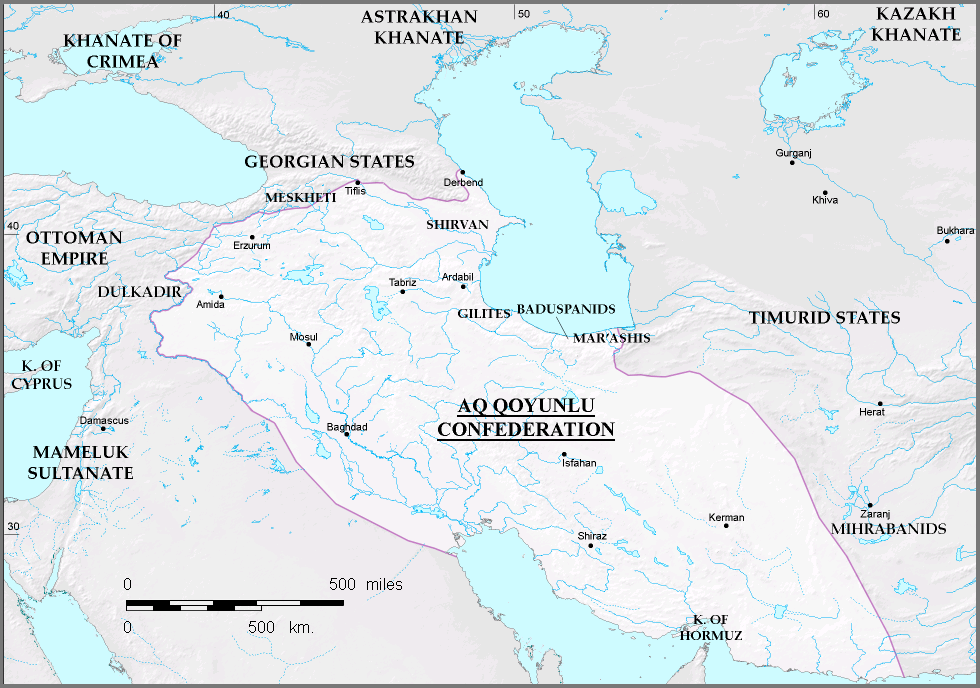
The White Sheep Turkmen, a powerful tribal confederation, rose to prominence in the mid-15th century and became a dominant force in the region. Taking advantage of the political instability in Iraq, the White Sheep Turkmen seized control of the region in a strategic move that reshaped the balance of power.
Their control over Iraq brought about significant changes in governance, trade routes, and cultural influences. The White Sheep Turkmen implemented new administrative policies and established trade networks that significantly benefited their economy. They also introduced their unique cultural practices and traditions, leaving a lasting impact on the local population.
The event marked a turning point in the history of Iraq as the White Sheep Turkmen's rule led to a period of relative peace and prosperity in the region. Their military prowess and strategic alliances solidified their position as a formidable force in the Middle East, shaping the geopolitical landscape for years to come.
#WhiteSheepTurkmen #IraqControl #MiddleEastPowerShift
View details1410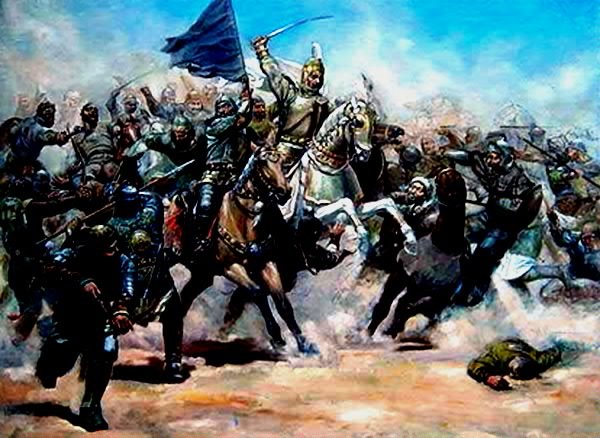
Following the collapse of Timur's empire, a significant power vacuum emerged in Iraq. Qara Yusuf seized this opportunity and emerged as the ruler of Iraq in 1410. He belonged to the Qara Qoyunlu Turkmen tribal federation that controlled vast territories in the region.
Qara Yusuf's rise to power marked a crucial turning point in Iraq's political landscape. His rule brought about stability and unity to the region after a period of uncertainty and chaos. As a skilled leader, he implemented effective governance strategies that revitalized the economy and infrastructure of Iraq.
Under Qara Yusuf's leadership, Iraq experienced a period of relative peace and prosperity. He initiated crucial reforms and policies that fostered growth and development in various sectors, including trade, agriculture, and culture. His administration's emphasis on diplomacy and trade relations with neighboring states further strengthened Iraq's position in the region.
Qara Yusuf's reign as the ruler of Iraq left a lasting impact on the region's history. His legacy as a capable leader who brought stability and progress to Iraq resonates to this day, shaping the course of events in the region for years to come.
#QaraYusuf #IraqRuler #TimurEmpireFall #PoliticalStability #TurkmenLeader
View details1401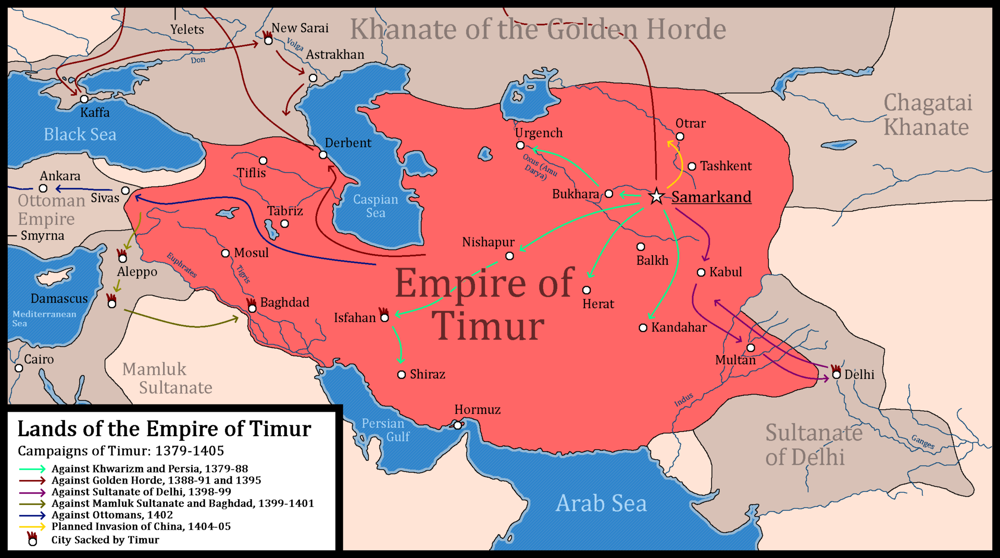
Timur, a powerful conqueror, invaded Baghdad, once a thriving center of Islamic culture and learning. The city was weakened by internal conflicts, making it an easy target for Timur's forces. The sack of Baghdad by Timur resulted in widespread devastation and loss of life. Countless buildings, including mosques, palaces, and libraries, were destroyed, and a large portion of the population was either killed or enslaved. The once-proud city was left in ruins, with its inhabitants suffering greatly.
The impact of Timur's sack of Baghdad was immense, leading to a significant decline in the city's prominence as a cultural and intellectual hub. Many precious artifacts, manuscripts, and works of art were lost forever. The event sent shockwaves throughout the Islamic world, serving as a stark reminder of the brutal realities of warfare and conquest.
The sack of Baghdad by Timur serves as a somber reminder of the destructive power of war and the fragility of civilizations. It stands as a cautionary tale of the consequences of unchecked ambition and the devastating effects of conflict on society. #Timur #Baghdad #Devastation #Warfare #History
View details1336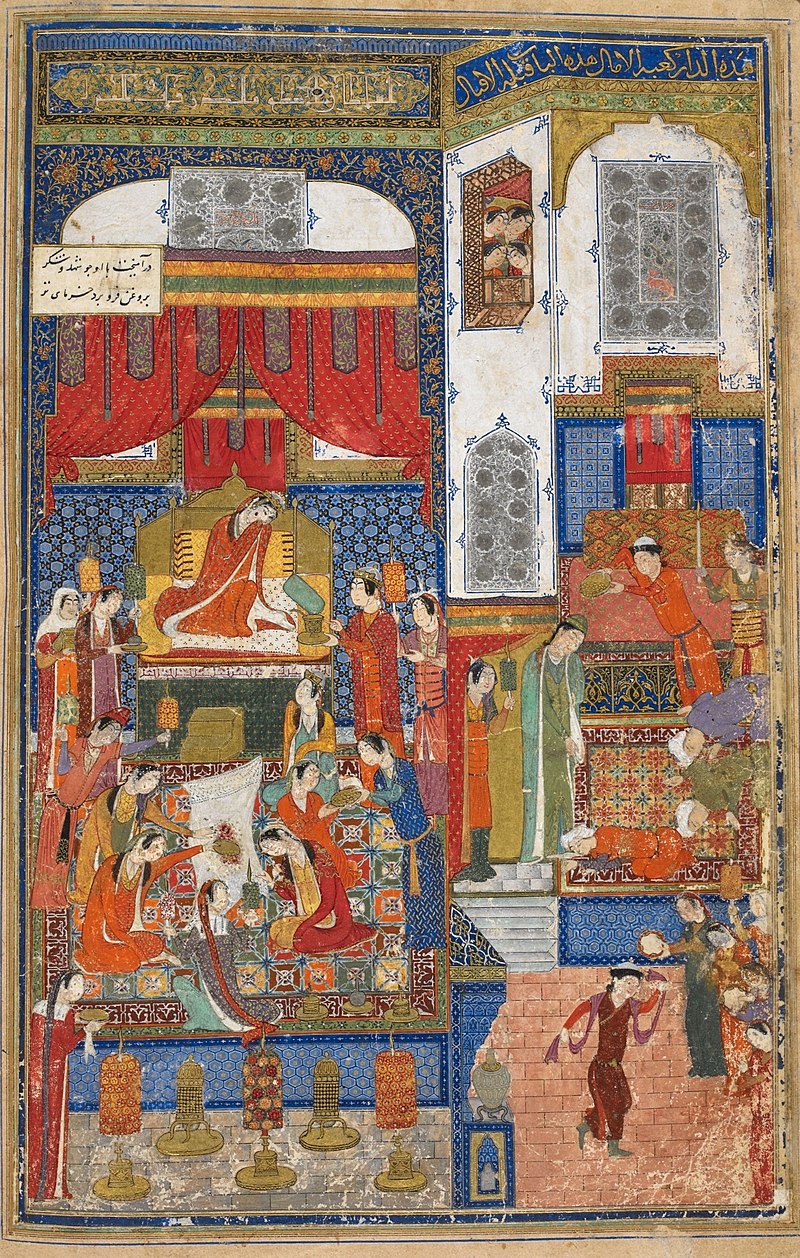
In the early 14th century, a Mongol military leader, Hasan Buzurg, established the Jalayirid Sultanate in Baghdad. Coming from Jalayir tribe, he consolidated power after the collapse of the Ilkhanate in the region. The Sultanate's foundation marked a new chapter in the political landscape of Baghdad, with Hasan Buzurg positioning himself as the ruler of a vast territory, stretching from Anatolia to Central Iran.
The Jalayirid Sultanate brought stability to Baghdad after years of political turmoil and invasions. Hasan Buzurg's leadership fostered a period of relative peace and economic prosperity in the region. Under his rule, Baghdad became a center of trade, culture, and scholarship once again.
The Sultanate's influence extended beyond Baghdad, exerting control over important trade routes and fostering diplomatic ties with neighboring states. Hasan Buzurg's successors continued to rule Baghdad for several generations, leaving a lasting impact on the city's political and cultural landscape.
The foundation of the Jalayirid Sultanate in Baghdad reshaped the power dynamics in the region, establishing a new ruling dynasty that would leave a mark on Iraqi history for years to come. #JalayiridSultanate #BaghdadHistory #IraqLeadership
View details1306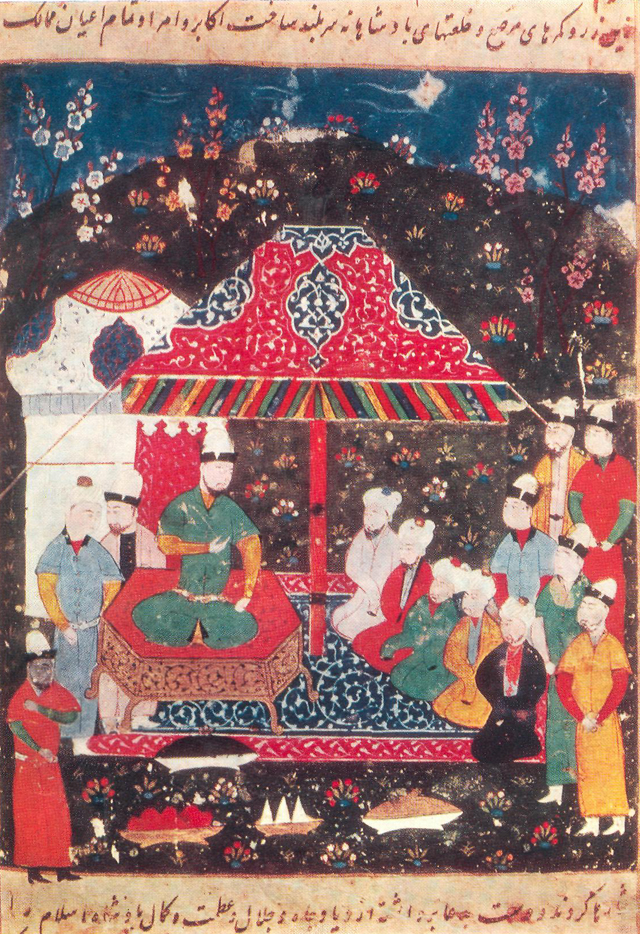
Islamic scholar Ibn Taymiyyah faced imprisonment in Iraq due to his controversial views on religious matters. Known for his strict interpretations of Islamic teachings, Ibn Taymiyyah's ideas often clashed with prevailing theological doctrines of the time.
His imprisonment in Iraq served as a testament to the religious tensions that existed during that period. The ruling authorities, wary of his influential teachings, saw fit to detain him in an attempt to suppress his ideologies. Despite being confined, Ibn Taymiyyah continued to inspire followers and maintain his steadfast beliefs.
The event sparked discourse among scholars and followers, with debates echoing far beyond the prison walls. Ibn Taymiyyah's incarceration did not diminish his influence; instead, it solidified his reputation as a fearless proponent of his beliefs.
Ultimately, Ibn Taymiyyah's imprisonment in Iraq left a lasting impact on Islamic scholarship, emphasizing the complexities and challenges that arise when religious convictions diverge. It underscored the importance of intellectual freedom in theological discourse and the enduring legacy of individuals who refuse to compromise their principles.
#IbnTaymiyyah #Iraq #IslamicScholar #Controversy #ReligiousFreedom.
View details1261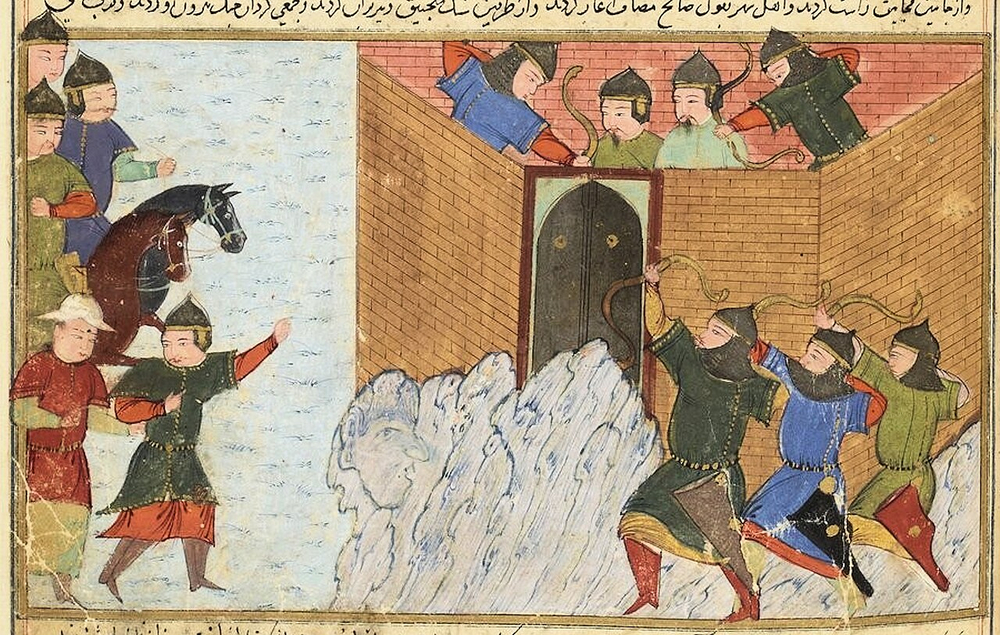
In 1261, Crusader forces initiated the Siege of Mosul in present-day Iraq. This event unfolded against the backdrop of the Crusades, a series of religious wars between Christians and Muslims for control of the Holy Land. Mosul, a strategic city with cultural and economic significance, was a key target for the Crusaders.
The siege had a profound impact on the region, leading to significant loss of life and destruction of property. As the Crusaders laid siege to the city, residents endured harsh conditions and fierce fighting. The conflict escalated tensions between the Christian and Muslim populations, further entrenching animosities.
The Siege of Mosul by Crusader forces marked a critical juncture in the history of the Crusades, highlighting the relentless pursuit of territorial domination by both sides. The event underscored the violent clashes and power struggles that defined this era, shaping the socio-political landscape of the region for years to come.
#Crusades #SiegeOfMosul #IraqHistory
View details1258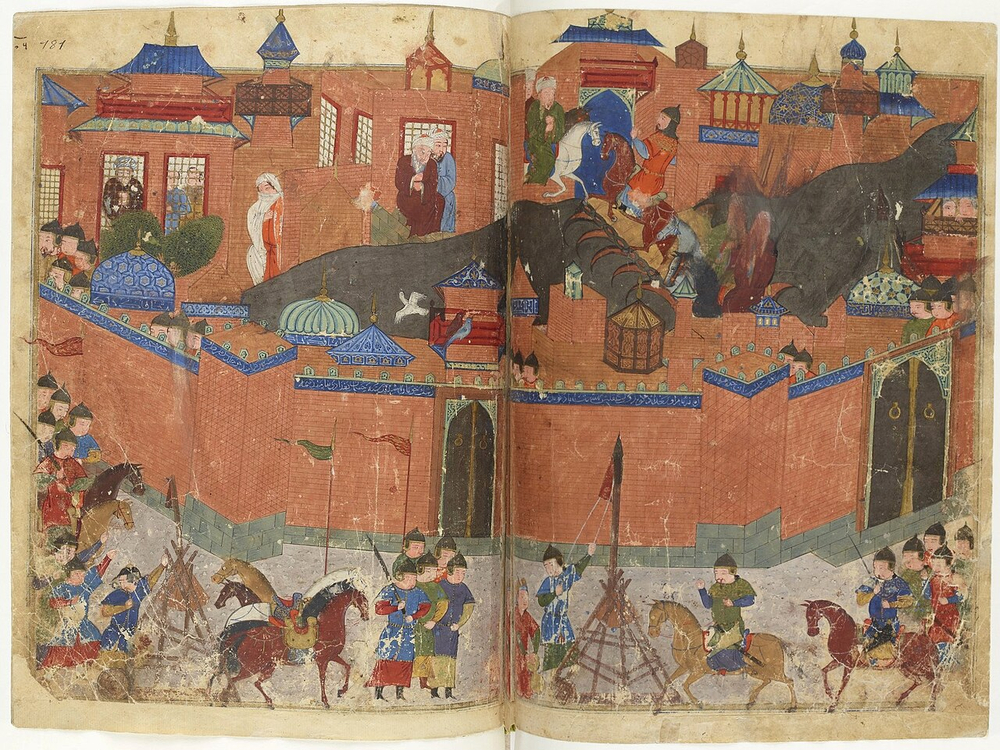
The destruction of the House of Wisdom in Baghdad was a catastrophic event that took place during the Mongol conquest. The House of Wisdom was a renowned center for learning and scholarship, housing a vast collection of books, manuscripts, and scientific texts from various cultures. Established during the Islamic Golden Age, it played a crucial role in the preservation and translation of knowledge.
The Mongols, under the command of Hulagu Khan, besieged Baghdad and subsequently razed the city to the ground. The House of Wisdom, along with its priceless contents, was set ablaze and destroyed as part of the widespread devastation.
This event had a devastating impact on intellectual and cultural heritage, resulting in the loss of countless works of literature, science, and philosophy. It marked the end of an era of enlightenment and innovation in Baghdad.
The destruction of the House of Wisdom serves as a poignant reminder of the fragility of knowledge and the destructive forces of war. It stands as a symbol of the irreparable loss suffered during times of conflict and turmoil.
#HouseofWisdom #Baghdad #MongolConquest #CulturalHeritage #IntellectualLoss #KnowledgeDestruction
View detailsThe Siege of Baghdad by the Mongol Empire marked the culmination of a series of military campaigns led by Hulagu Khan, resulting in the fall of the Abbasid Caliphate. The Abbasid Caliphate, which had ruled over a vast empire for centuries, was weakened by internal conflicts and unable to withstand the Mongol invasion.
The siege lasted for several weeks, with the Mongols using advanced siege warfare tactics to breach the city's defenses. The devastating impact of the siege was felt not only in terms of loss of life but also in the destruction of cultural and intellectual treasures of the Islamic world. The famous House of Wisdom, renowned for its vast library and contributions to scholarly work, was burned to the ground.
The fall of Baghdad had far-reaching consequences, leading to the end of the Abbasid Caliphate and the fragmentation of Islamic power in the region. The Mongol conquest also drastically altered the demographic and political landscape of the Middle East.
Today, the Siege of Baghdad remains a poignant reminder of the destructive power of warfare and the fragility of empires. It serves as a cautionary tale about the consequences of internal conflicts and external invasions. #MongolEmpire #AbbasidCaliphate #IraqiHistory
View details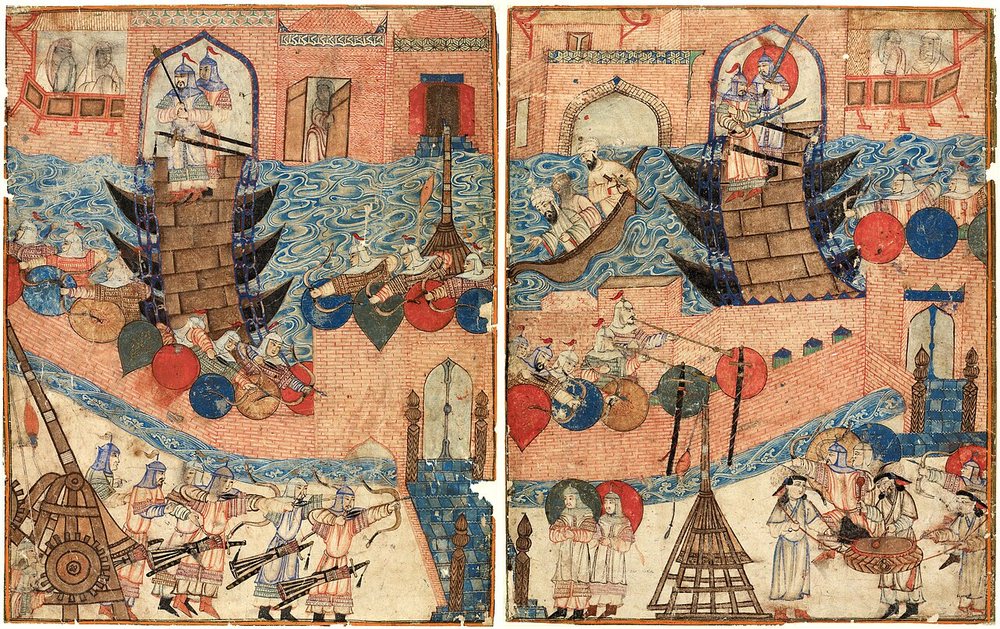
1250
Following the defeat of the Mongols, the Bahri Mamluks took control of Iraq in 1250. The Bahri Mamluks were a warrior class made up of enslaved individuals who were trained for military service. With their victory over the Mongols, they established their rule in Iraq and other parts of the Middle East.
The Bahri Mamluks' control over Iraq had a significant impact on the region. They were able to restore stability and order after the turmoil caused by the Mongol invasions. Under their rule, trade and commerce flourished, leading to economic prosperity. The Bahri Mamluks also promoted Islamic arts and culture, leaving a lasting impact on the region's heritage.
Their military prowess and strategic alliances helped them maintain power in Iraq for a considerable period. The Bahri Mamluks' rule in Iraq marked a turning point in the region's history, shaping its political and social landscape for years to come.
#BahriMamluks #Iraq #Mongoldefeat #MiddleEasthistory
View details1227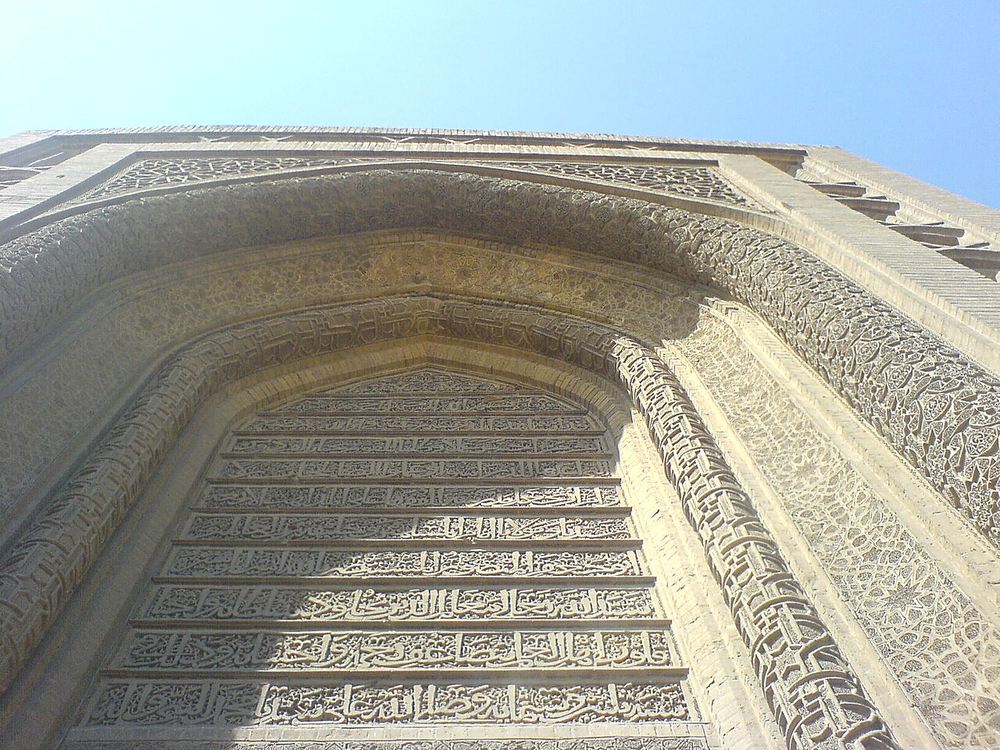
In 1227, the construction of the Mustansiriya School in Baghdad commenced. This educational institution, commissioned by the Abbasid caliph al-Mustansir, is renowned for its unique architecture, blending Islamic and Abbasid styles. The school quickly became a center for Islamic education and scholarship, attracting students and scholars from far and wide.
With its vast library and lecture halls, the Mustansiriya School played a crucial role in advancing various fields of knowledge such as theology, law, literature, and science. The curriculum offered at the school was comprehensive, covering subjects ranging from Quranic studies to mathematics.
The impact of the Mustansiriya School extended beyond Baghdad, influencing the development of educational institutions throughout the Islamic world. It served as a model for subsequent madrasas, shaping the course of Islamic education for centuries to come.
The Mustansiriya School remains a symbol of the rich intellectual history of Iraq and the wider Islamic civilization. Its intricate architecture and cultural significance continue to attract visitors and scholars interested in the legacy of Islamic education.
#MustansiriyaSchool #IslamicEducation #BaghdadArchitecture #AbbasidCaliphate
View details1157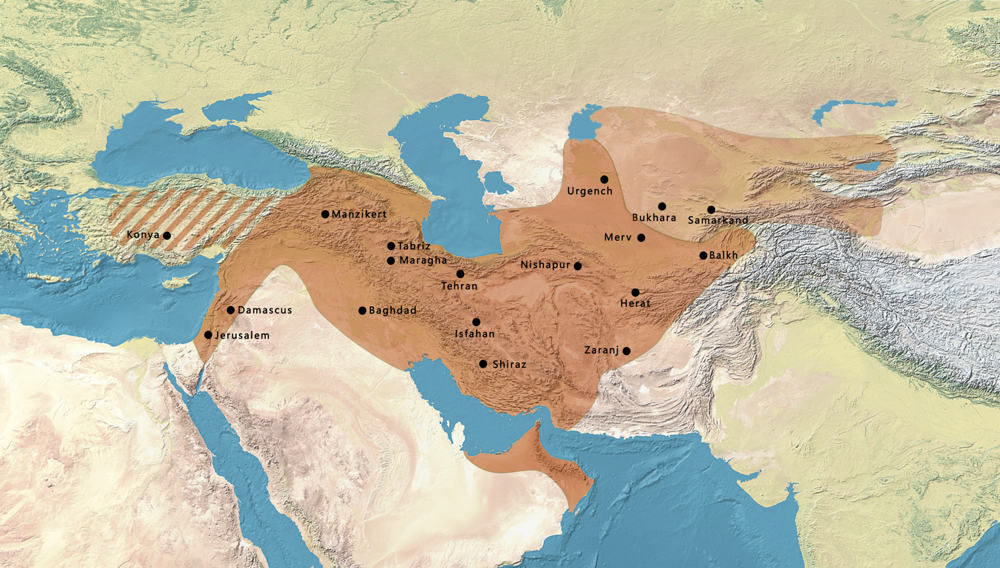
The capture of Baghdad by the Khwarezmian Empire marked a pivotal moment in the history of the Abbasid Caliphate. The Khwarezmians, under the leadership of Sultan Shah, launched a successful campaign to seize control of Baghdad, the capital of the Abbasid Caliphate. The city, known for its wealth and cultural significance, fell into the hands of the Khwarezmians after a prolonged siege.
The capture of Baghdad had far-reaching consequences, leading to the decline of the Abbasid Caliphate and the fragmentation of the Islamic world. The Khwarezmians established their authority over the region, ushering in a period of political upheaval and instability. The cultural and intellectual achievements of Baghdad were also severely impacted, as the city lost its status as a center of learning and innovation.
Despite the eventual overthrow of the Khwarezmian Empire by the Mongols, the capture of Baghdad remains a defining moment in the history of Iraq and the wider Islamic world. It serves as a reminder of the ever-changing tides of power and influence in the region, shaping the course of history for centuries to come.
#Baghdad #KhwarezmianEmpire #AbbasidCaliphate #IraqHistory #PoliticalUpheaval
View details1104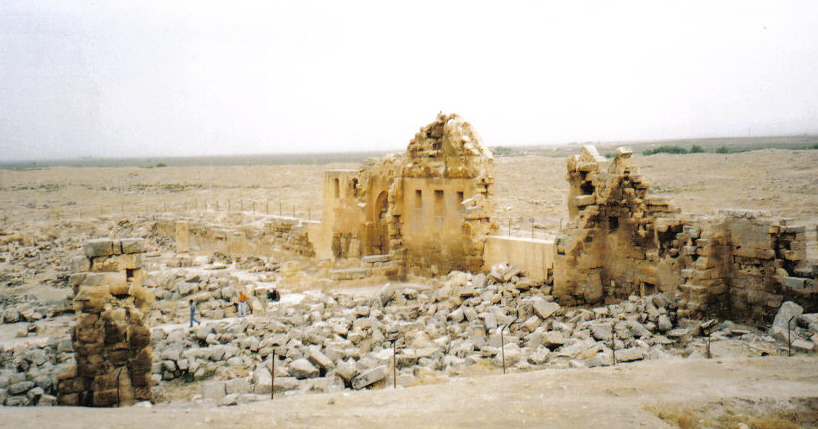
Battle of Harran: Clash between Abbasids and Byzantines for control; pivotal in Middle East history.
The Battle of Harran took place during the Crusades, where a military confrontation unfolded between the forces of the Principality of Antioch led by Baldwin II and the Seljuk Turks commanded by Jawali Saqawa. Harran, a strategic town in Mesopotamia, was the setting for this clash of power and territorial control.
The encounter at the Battle of Harran resulted in a decisive victory for the Seljuk Turks over the Crusader army. Baldwin II's forces suffered heavy casualties and were forced to retreat, losing control of Harran to the Seljuks. This defeat weakened the Principality of Antioch and diminished their influence in the region.
The repercussions of the Battle of Harran reverberated throughout the Crusader states, underscoring the challenges faced by the European powers in their attempts to assert dominance in the Middle East. The event highlighted the military prowess of the Seljuk Turks and their ability to resist the Crusader onslaught.
The Battle of Harran stands as a key moment in the complex tapestry of the Crusades, shedding light on the fierce and relentless nature of the conflicts that shaped the political and military landscape of the Middle East during that era. #BattleOfHarran #Crusades #SeljukTurks #PrincipalityOfAntioch #MiddleEasternHistory
View details1040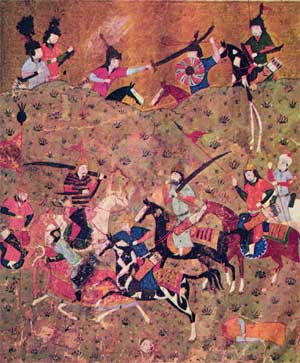
In the early 11th century, the Seljuk Empire and the Khwarezmian Empire clashed in the Battle of Dandanaqan near modern-day Iraq. The Seljuk Empire, led by Tughril Beg, sought to expand their territorial influence, while the Khwarezmians aimed to maintain control of the region. The battle was fierce, with both sides displaying strategic prowess and military might.
Ultimately, Tughril Beg's forces emerged victorious, securing a significant triumph that bolstered the Seljuk Empire's power in the region. The defeat dealt a severe blow to the Khwarezmian Empire, weakening their grip on their territories and paving the way for Seljuk dominance in the area.
The Battle of Dandanaqan marked a pivotal moment in the struggle for supremacy in the region, establishing the Seljuks as a formidable force to be reckoned with. The victory enabled them to solidify their rule and expand their influence, shaping the political landscape of the era.
#SeljukEmpire #KhwarezmianEmpire #BattleofDandanaqan #Iraq #Expansion #Victory
View details0247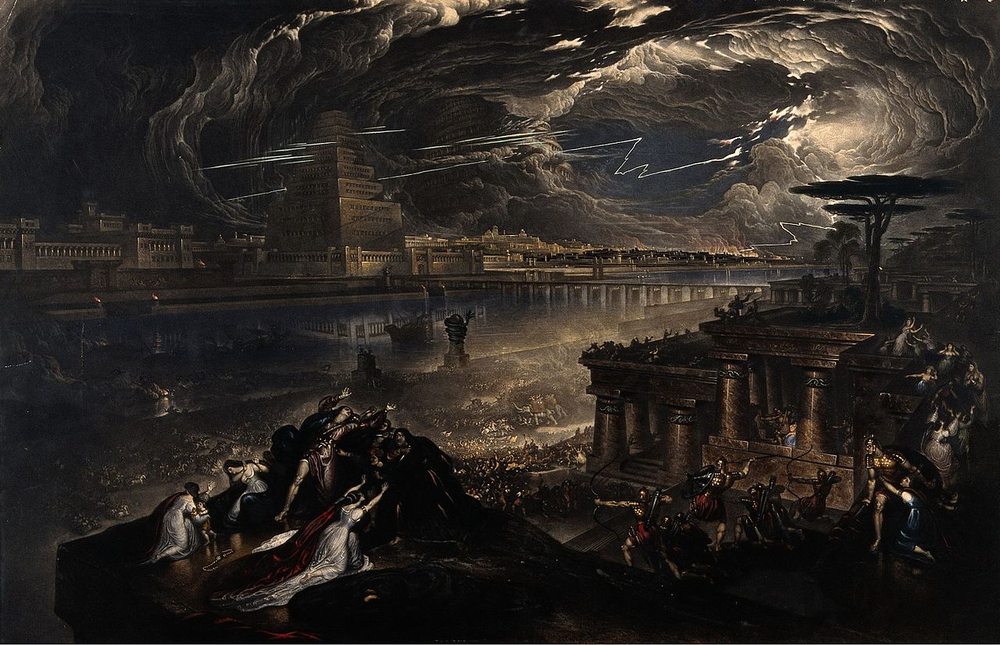
During the Parthian conquest of Babylon, the iconic city fell to the Parthians, marking the decline of the once powerful Seleucid Empire. The Seleucid Empire, established by one of Alexander the Great's generals, had been weakening due to internal strife and external pressures from the growing Parthian kingdom. The capture of Babylon was a significant blow to the Seleucids, as it was not only a strategic center but also a symbol of their power in the region.
The Parthians, known for their skilled horse archers and military tactics, swiftly took control of Babylon and solidified their dominance in the area. The conquest reshaped the political landscape of the region, with the Parthians establishing themselves as the new ruling power in what is now modern-day Iraq.
The fall of Babylon to the Parthians had far-reaching implications, not only for the Seleucid Empire but also for the wider geopolitical dynamics of the ancient Near East. It marked a turning point in the history of the region, paving the way for the rise of Parthian influence and the eventual downfall of the Seleucid Empire.
#ParthianConquest #Babylon #SeleucidEmpire #Iraq #Geopolitics
View details