
Iraq

The Cradle of Civilization
About
#Iraq
#Iraq_Timeline
#Iraq_history
#Iraq_History_Timeline
Life Classification
Country
Life ID
EL5966525382414
Verified Name
iraq
Life Type
Entity Life
Life Editor(s)
History Editorial Network (HEN)
Life Privacy
Public
Subscription
Elite
Created On
2024-05-13
Updated On
2025-12-19
Connect
Related Lives

Greatest Natural Disasters of World
History of Natural Disasters of World

Bolivia
The Heart of South America

Laos
Land of a Million Elephants

Ivory Coast
The Land of Tropical Beauties.

Argentina
Land of the Tango

Mexico
The Land of the Maya

Botswana
The Heart of Southern Africa

Jordan
Land of Ancient Wonders

2026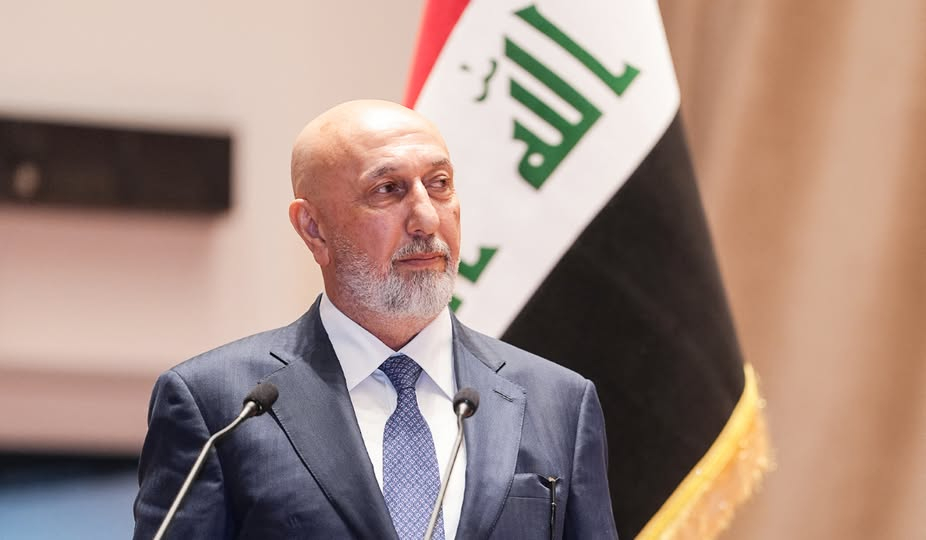
On 11/04/2026, Iraq’s Parliament elected Nizar Amidi as the country’s new President, bringing an end to a five-month political stalemate that followed the general elections held in November 2025. The vote marked a key step in restoring the formation of Iraq’s federal government after prolonged delays in reaching consensus among political factions.
The presidential election was conducted in two rounds, as no candidate achieved the required two-thirds majority of 220 votes in the initial ballot. In the first round, Nizar Amidi, representing the Patriotic Union of Kurdistan (PUK), received 208 votes, placing him well ahead of his closest rival, independent candidate Muthanna Amin Nader, who secured 17 votes. Despite leading comfortably, Amidi fell short of the threshold needed for an outright victory in the first round.
A second round of voting was subsequently held among lawmakers present in the session. In this decisive round, Amidi won 227 votes out of 249 cast, securing the presidency with a clear majority. The outcome confirmed his position as Iraq’s sixth president since 2003, succeeding Abdul Latif Rashid.
The election resolved months of political uncertainty that had delayed the formation of key government institutions. The extended deadlock had reflected divisions among Iraq’s political blocs, particularly over power-sharing arrangements and leadership positions. With the presidency filled, the process of forming the remaining branches of government was expected to move forward under the country’s constitutional framework.
View details2025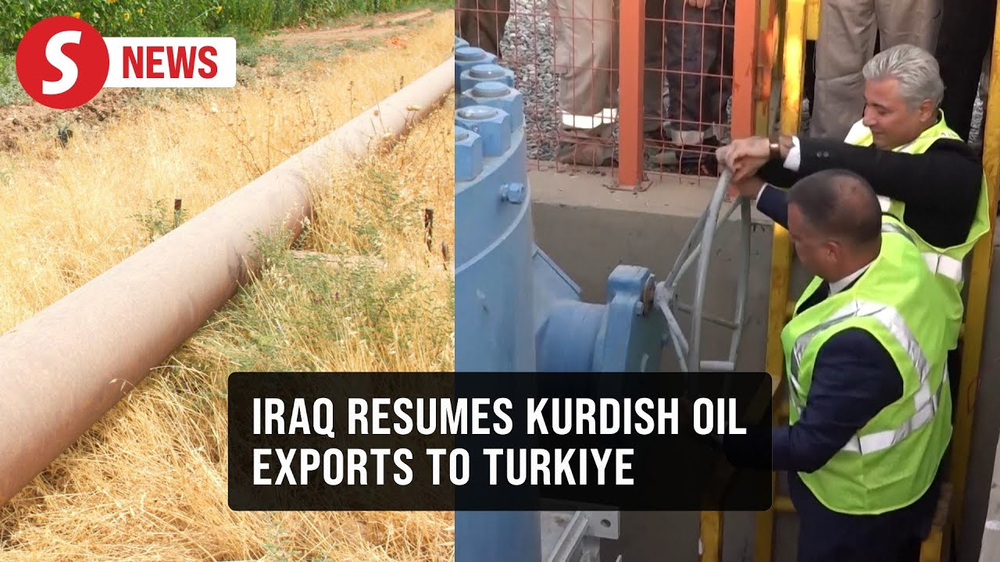
Iraq has resumed oil exports to Turkey through the Kirkuk–Ceyhan pipeline after a suspension that lasted nearly two years, marking a significant development in regional energy trade. The pipeline, which connects northern Iraq’s oil fields to Turkey’s Mediterranean port of Ceyhan, had been shut down due to legal disputes, political disagreements, and operational challenges involving Baghdad, the Kurdistan Regional Government, and Ankara. The restart follows renewed negotiations and technical arrangements aimed at resolving outstanding issues related to revenue sharing, export authority, and compliance with international arbitration rulings. Iraqi officials described the resumption as an important step toward stabilizing oil exports and restoring trust with regional partners.
The reopening of the pipeline carries notable economic and strategic importance for Iraq and Turkey alike. For Iraq, it provides a vital source of government revenue at a time of budgetary pressure and supports efforts to normalize energy production and exports from the north. For Turkey, the resumption reinforces its role as a key energy transit hub linking Middle Eastern resources to global markets. The move also has broader implications for global oil supply, as additional exports may help ease market tightness. Overall, the restart of the Kirkuk–Ceyhan pipeline highlights the central role of energy diplomacy in regional relations and underscores the importance of cooperation in managing shared infrastructure.
View detailsThe Prime Minister has announced the killing of a senior ISIL leader during a joint military operation carried out in coordination with the international anti-ISIL coalition. According to official statements, the operation was based on precise intelligence and involved close cooperation between national security forces and coalition partners. The targeted leader was described as a key figure responsible for planning and directing attacks, recruitment, and financing activities linked to the extremist organization. Authorities stated that the operation was conducted with the aim of minimizing civilian harm and was part of ongoing efforts to dismantle ISIL’s remaining command structure and operational networks.
The announcement holds significant security and political importance, as it signals continued international commitment to counterterrorism despite ISIL’s reduced territorial control. Officials emphasized that while the group has lost much of its former influence, it continues to pose a threat through decentralized cells and regional affiliates. The killing of a high-ranking leader is expected to disrupt ISIL’s coordination and morale, though experts caution that such groups often attempt to regroup or retaliate. The Prime Minister reaffirmed the government’s resolve to work with international partners to maintain pressure on extremist organizations, stressing that long-term stability depends on sustained security cooperation, intelligence sharing, and efforts to address the underlying conditions that enable radicalization.
View details2024
In response to a lethal drone attack targeting a US military base, the United States initiated airstrikes on 85 locations across Iraq and Syria. The drone strike resulted in numerous casualties among American personnel, prompting this large-scale retaliatory action. These airstrikes were directed at positions believed to be holding militant groups associated with the attack.
This decisive military response underscores the ongoing conflict and tension within these regions, where groups such as ISIS and other militant organizations remain active. Over the past decade, both Iraq and Syria have witnessed extensive military engagements involving local, regional, and international forces. These airstrikes are part of a broader strategy to eliminate threats against US interests and to destabilize militant networks in the area.
The targeted operations aim to diminish the operational capacity of these groups, disrupt their logistical networks, and send a clear message regarding the consequences of attacking US forces. This series of airstrikes involved advanced military assets, including fighter jets and precision-guided munitions, highlighting the strategic importance of the operation.
While the immediate focus is on addressing the attack's implications, this series of events brings attention to the broader security dynamics in the Middle East. Iraq and Syria continue to be focal points of geopolitical interest and conflict, making stability in these nations a critical aspect of regional and global security.
The impact on local civilian populations and infrastructures from such airstrikes often raises concerns about humanitarian consequences and long-term regional stability. International reactions may vary, but such military actions typically prompt discussions related to security, foreign policy, and the ongoing fight against terrorism.
#USAirstrikes #Iraq #Syria #MiddleEastConflict #DroneAttackResponse #MoofLife
View details2021
The US formally concluded its combat mission in Iraq, transitioning to a role of training and advising Iraqi forces. This shift marked a significant milestone in the long-standing US military presence in Iraq, which began in 2003 following the invasion that ousted Saddam Hussein.
The decision to end the combat mission came after years of intense fighting and efforts to stabilize the country. The focus was now on supporting Iraqi security forces as they took on more responsibility for maintaining peace and security within their borders. The move was also in line with the agreement between the US and Iraqi governments that aimed to gradually transfer security control to Iraqi forces.
The shift in mission had a direct impact on the dynamics of the military presence in Iraq, with a reduction in the number of US combat troops and an increased emphasis on training Iraqi soldiers and police. It was a pivotal moment in the US-Iraq relationship, signaling a new phase of cooperation and partnership centered on building Iraq's capacity to secure its own territory.
#Iraq #USmilitary #trainingmission #partnership
View details2017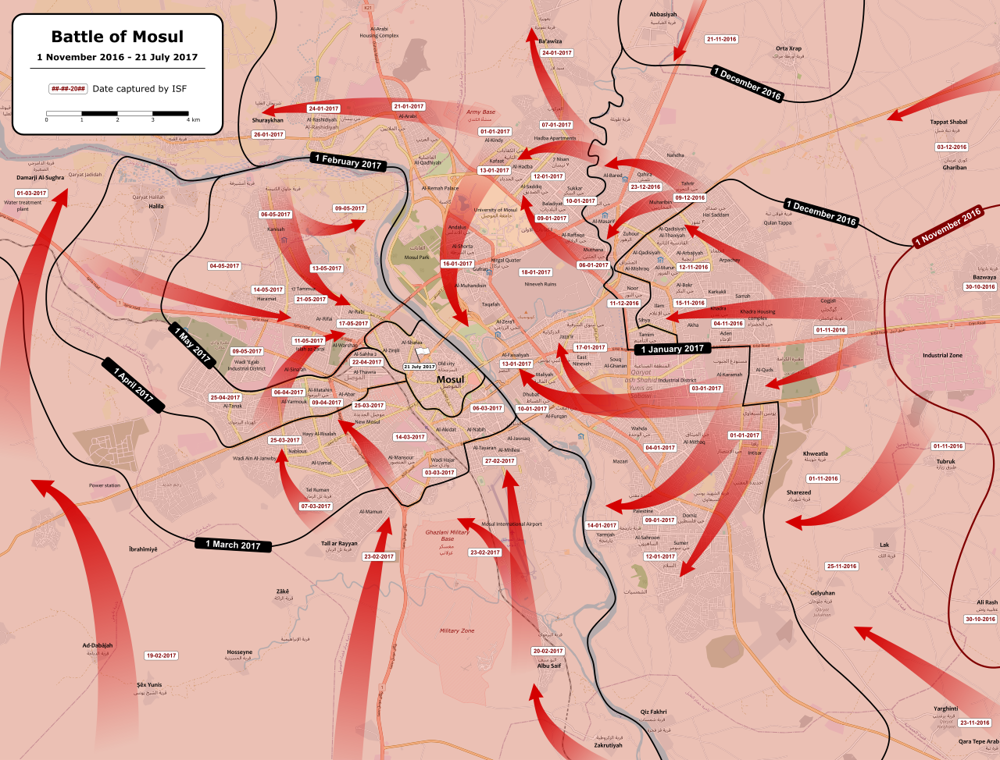
Iraqi forces, backed by the US-led coalition, announced the liberation of Mosul from ISIS control after months of intense fighting. The operation to retake the city began last year, with Iraqi troops gradually advancing, street by street, against fierce resistance from the militant group.
The battle for Mosul had been one of the deadliest and most brutal confrontations in the fight against ISIS, resulting in heavy civilian casualties and massive destruction. The city, once a major stronghold for the terrorist organization, had been under their control for years, causing suffering and hardship for its residents.
The declaration of victory in Mosul marked a significant turning point in the conflict, dealing a major blow to ISIS and its ambitions of establishing a caliphate. The successful mission was a testament to the determination and resilience of the Iraqi forces, as well as the crucial support provided by the coalition partners.
With Mosul liberated, efforts were focused on stabilizing the city, rebuilding infrastructure, and assisting the displaced residents in returning to their homes. The aftermath of the battle posed immense challenges, including the presence of explosive remnants of war and the need for humanitarian aid.
#Iraq #MosulLiberation #ISISDefeated #CoalitionSupport #RebuildingEfforts
View details2014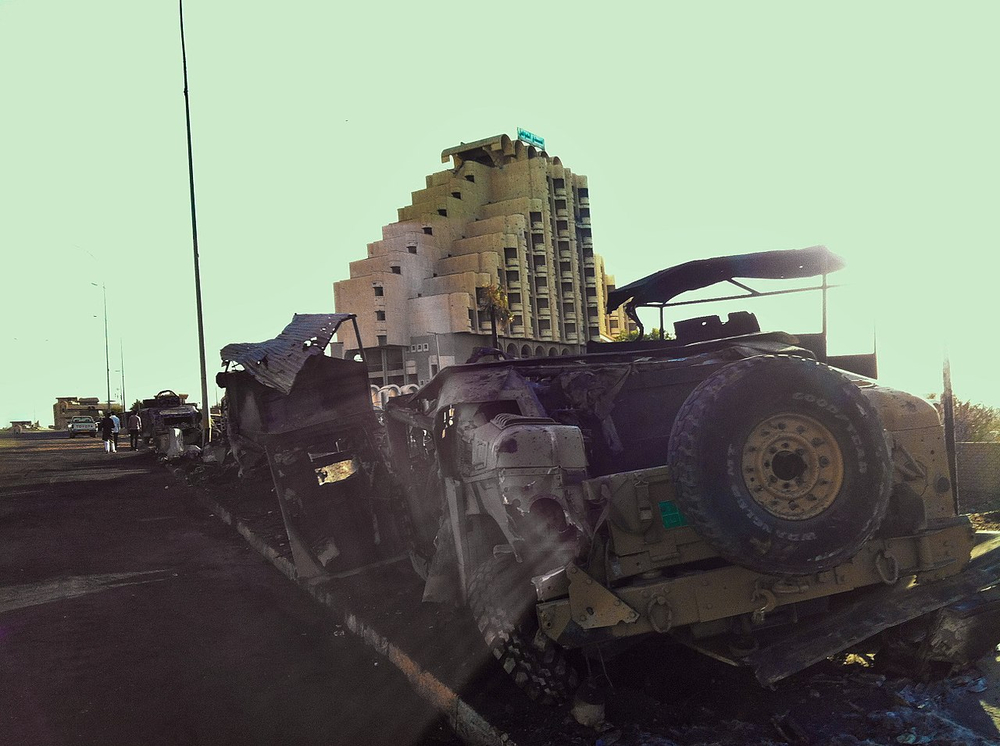
In 2014, ISIS captured Mosul, Iraq's second-largest city, marking a significant escalation in the ongoing conflict in the region. The militant group's takeover of the city was swift, catching the Iraqi government and security forces off guard. The fall of Mosul was a major blow to the country's stability and security.
The impact of ISIS capturing Mosul was widespread and devastating. Thousands of people fled the city to escape the violence and persecution. ISIS imposed strict Sharia law, leading to severe human rights abuses and atrocities. The group also gained control of key infrastructure and resources, further strengthening their hold on the region.
The capture of Mosul by ISIS led to increased fighting and instability in Iraq and the wider Middle East. The conflict drew in regional and international powers, exacerbating tensions in an already volatile region. The event highlighted the urgent need for a coordinated and effective response to the threat posed by ISIS and other extremist groups.
#ISIS #Mosul #IraqConflict #MiddleEast #SecurityThreat #HumanitarianCrisis
View details2009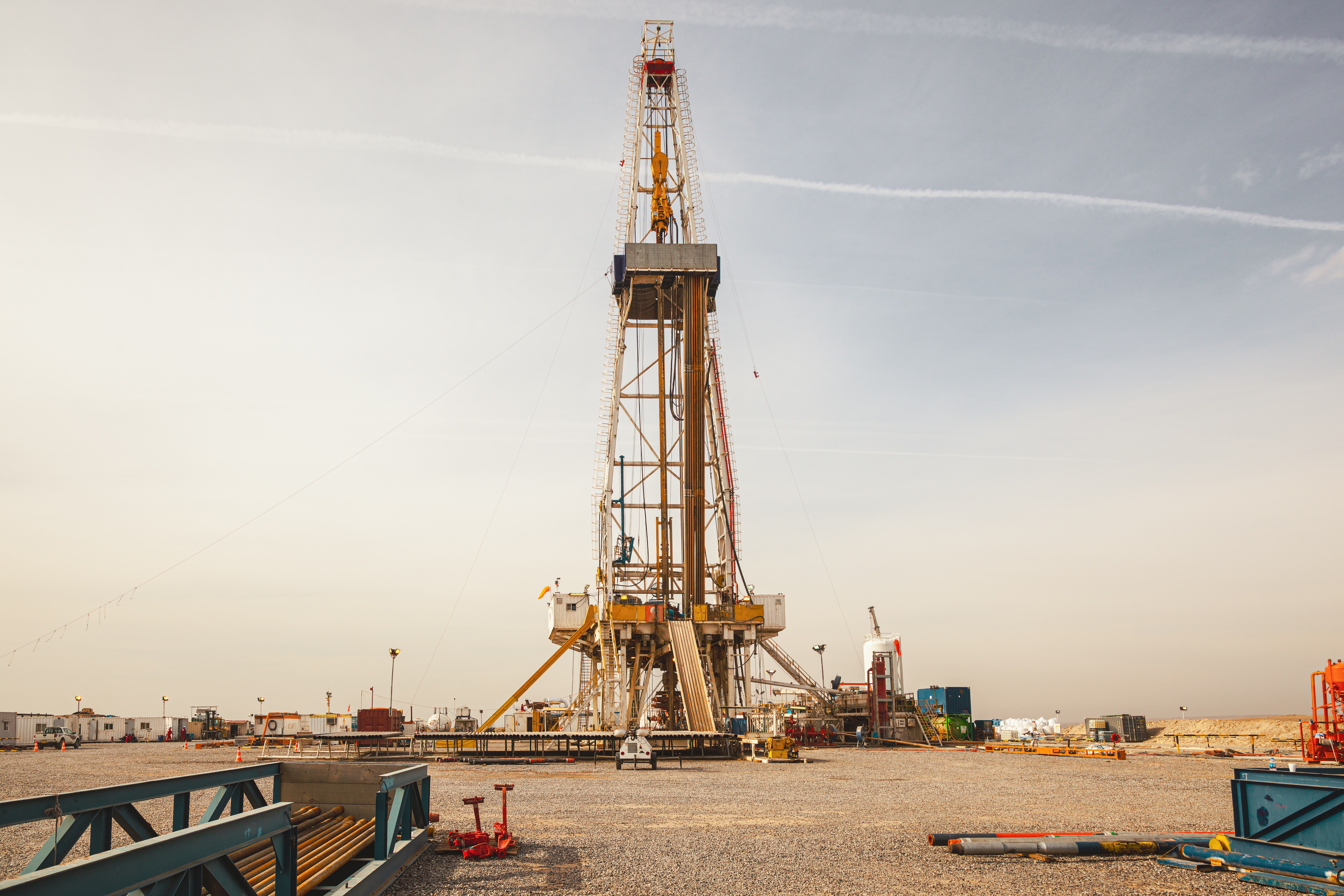
The Iraqi Ministry of Oil awarded service contracts to international oil companies for several of Iraq's oil fields in an effort to boost the country's oil production. The contracts aimed to bring in expertise and technologies to develop the oil fields, increasing Iraq's output capacity.
This decision was essential for Iraq, as the country holds one of the world's largest proven oil reserves but lacked the infrastructure and knowledge to fully exploit its resources. By partnering with international companies, Iraq sought to modernize its oil industry and increase revenue from oil exports.
The impact of this event was significant as it marked a turning point for Iraq's oil sector. The partnerships allowed for the introduction of advanced drilling techniques and technologies that enhanced production rates. This led to a considerable increase in Iraq's oil production, strengthening its position as a key player in the global oil market and boosting its economy.
#Iraq #OilContracts #InternationalPartnerships #OilProduction
View details2004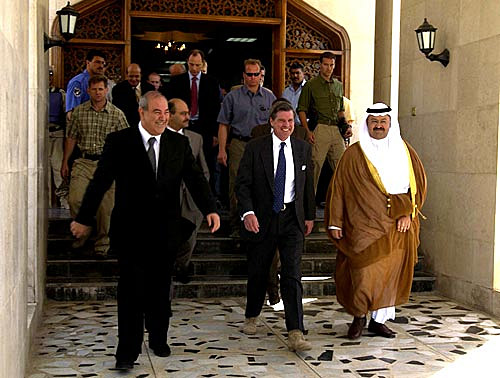
The Coalition Provisional Authority officially handed over sovereignty to the Iraqi interim government, marking the end of the Iraq War. This transfer of power symbolized a significant milestone in the efforts to rebuild Iraq after the fall of Saddam Hussein's regime. The interim government, led by Prime Minister Ayad Allawi, gained control over the country's political and security affairs.
This event aimed to establish a stable and democratic government in Iraq, transitioning from a period of occupation to self-governance. The move was seen as a step towards restoring Iraqi leadership and rebuilding the nation's infrastructure and economy. However, challenges such as ongoing security threats and political divisions persisted even after the handover.
The sovereignty transfer was intended to pave the way for eventual free elections and the drafting of a permanent constitution. It was a crucial moment in the broader geopolitical landscape of the Middle East and the U.S.-led War on Terror.
#IraqWar #SovereigntyTransfer #IraqiInterimGovernment #CoalitionProvisionalAuthority #RebuildingIraq
View details2003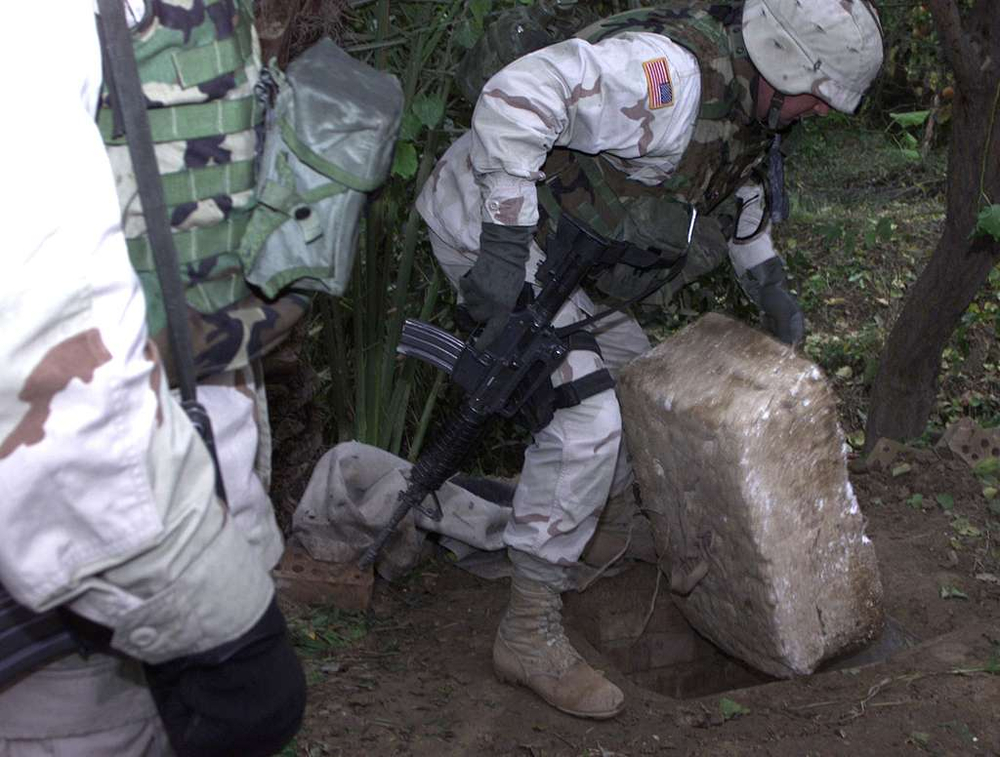
US forces successfully captured Saddam Hussein near his hometown of Tikrit. The former Iraqi leader had been on the run after the US-led invasion of Iraq. His capture was a significant blow to the insurgency that was fueling violence in the country. Hussein's capture marked a turning point in the Iraq War, leading to increased stability in the region. The operation to apprehend him involved a joint effort between US Special Forces and Iraqi intelligence, resulting in Hussein's capture without any casualties.
Following his capture, Saddam Hussein was tried and convicted by an Iraqi court for crimes against humanity, including the killing of 148 Shi'ite Muslims in 1982. He was ultimately sentenced to death and executed by hanging.
The capture of Saddam Hussein by US forces near Tikrit showcased the effectiveness of international cooperation in combating terrorism and stabilizing regions affected by conflict. It sent a strong message to insurgents and terrorist groups that their actions would not go unpunished, serving as a significant victory in the global war on terror.
#SaddamHussein #IraqWar #TikritOperation #GlobalSecurity #WarOnTerror
View detailsThe US-led invasion of Iraq commenced with the aim to eliminate alleged weapons of mass destruction. Coalition forces swiftly advanced, facing sporadic resistance from Iraqi troops. The invasion's primary objective was the capture of Baghdad, Iraq's capital and political hub. The city's fall marked a significant turning point in the conflict.
The impact of the invasion was profound, leading to a destabilization of Iraq's political and social fabric. The capture of Baghdad symbolized the triumph of coalition forces and the downfall of Saddam Hussein's regime. The aftermath of the invasion saw a prolonged period of insurgency and sectarian violence that plagued the country for years to come.
In the end, the invasion of Iraq and the capture of Baghdad reshaped the geopolitical landscape of the Middle East. It sparked debates about the legality and consequences of preemptive military interventions. The event highlighted the complexities of nation-building efforts and the challenges of post-conflict reconstruction.
#Iraq #USinvasion #BaghdadCapture #CoalitionForces #SaddamHussein #MiddleEastGeopolitics
View details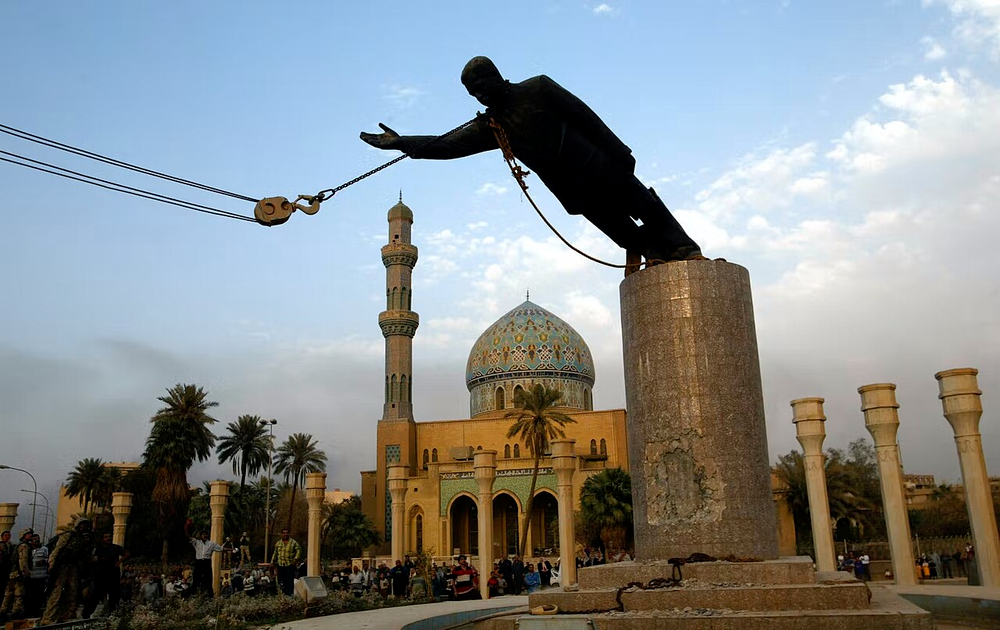
2002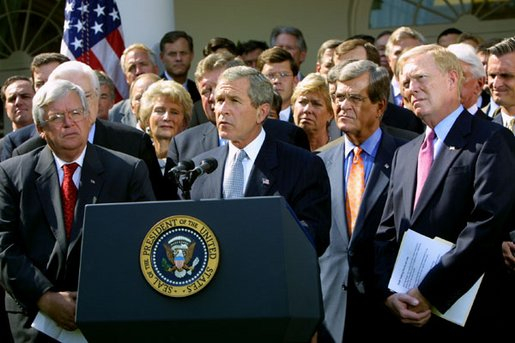
The US Congress passed the Joint Resolution to Authorize the Use of United States Armed Forces Against Iraq amidst growing concerns over Iraq's alleged possession of weapons of mass destruction and its support for terrorism. The resolution granted President George W. Bush the authority to use military force in Iraq to disarm the country of such weapons and to remove Saddam Hussein from power.
The passing of the resolution marked a significant turning point in US foreign policy, leading to the invasion of Iraq and the subsequent ousting of Saddam Hussein. The decision was met with both strong support and fierce opposition both domestically and internationally. Proponents argued that it was necessary to confront the perceived threat posed by Iraq, while opponents raised concerns about the legality and consequences of military intervention.
The aftermath of the resolution saw the start of the Iraq War, a lengthy and contentious conflict that resulted in the loss of thousands of lives and significant political and social upheaval in the region. The failure to find weapons of mass destruction in Iraq undermined the initial justifications for the war and sparked debate about the intelligence used to justify the invasion.
#IraqWar #UnitedStates #CongressResolution
View details1991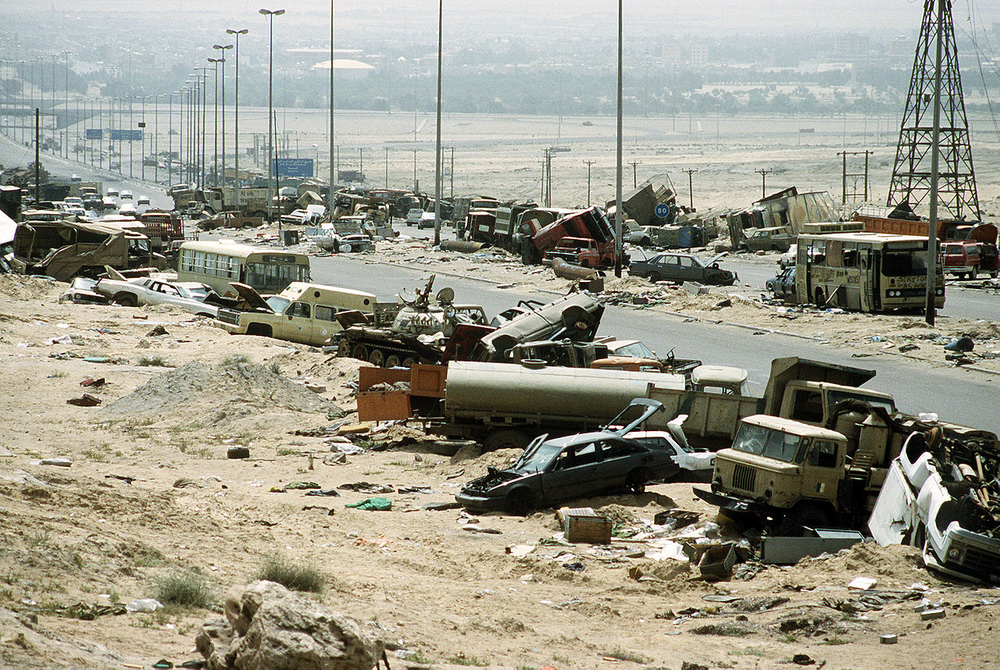
Operation Desert Storm was a military campaign led by a coalition of countries, with the primary aim of liberating Kuwait from Iraqi occupation. The operation began with a massive aerial bombardment followed by a ground assault, leading to the swift expulsion of Iraqi forces from Kuwait. The coalition forces inflicted extensive damage on Iraq's military infrastructure, including key communication networks, air defenses, and command centers.
The impact of Operation Desert Storm was significant, as it marked a decisive victory for the coalition forces and the restoration of Kuwait's sovereignty. However, the military campaign also resulted in widespread destruction and loss of life in Iraq, particularly among the civilian population. The economic repercussions of the conflict were profound, as Iraq's infrastructure and economy were severely crippled by the sustained bombing campaign.
The liberation of Kuwait and the subsequent damage inflicted on Iraq during Operation Desert Storm underscored the consequences of military aggression and the importance of international cooperation in preserving regional stability. The legacy of the conflict continues to shape the geopolitical dynamics of the Middle East, highlighting the complex interplay between military intervention, diplomacy, and the quest for security.
#OperationDesertStorm #KuwaitLiberation #IraqDamage #MiddleEastConflict
View details1990
After the invasion of Kuwait by Iraq, sanctions were imposed, severely impacting Iraq's oil sector. The sanctions targeted Iraq's ability to export oil, hindering its main revenue source. This led to a significant decline in oil production, affecting the country's economy and infrastructure.
The sanctions had far-reaching consequences, causing shortages of essential goods and services, including food and medicine. The lack of resources resulted in a humanitarian crisis, affecting the lives of millions of Iraqi civilians. The restrictions on oil exports also led to environmental damage, with oil spills going untreated due to the lack of necessary resources.
Despite efforts to circumvent the sanctions, through smuggling and illegal exports, the oil sector remained heavily crippled. The situation worsened as the country faced increasing isolation from the international community. The impact of the sanctions lasted for years, with significant challenges faced in rebuilding the oil sector and economy.
The sanctions imposed against Iraq following its invasion of Kuwait in 1990 had a devastating effect on the country's oil sector, leading to economic hardship and humanitarian crises. #Iraq #KuwaitInvasion #OilSector #Sanctions #HumanitarianCrisis
View detailsSaddam Hussein's Iraq invaded Kuwait, citing territorial and economic disputes. The invasion led to international condemnation and triggered a military response by a coalition of countries led by the United States. The Gulf War ensued, with intense fighting and extensive aerial bombardment.
The impact of the invasion was far-reaching. It led to a disruption in global oil supply, causing oil prices to soar. The coalition forces swiftly expelled Iraqi troops from Kuwait but stopped short of advancing into Iraq. The aftermath of the conflict included economic sanctions imposed on Iraq, resulting in a humanitarian crisis.
The Gulf War marked a shift in the geopolitics of the Middle East and had lasting consequences for the region. It exposed the vulnerability of smaller Gulf states to external aggression and underscored the need for international security cooperation. The conflict also highlighted the strategic importance of the region's oil reserves and the potential for conflict over control of these resources.
#GulfWar #IraqInvasion #KuwaitConflict #InternationalRelations
View details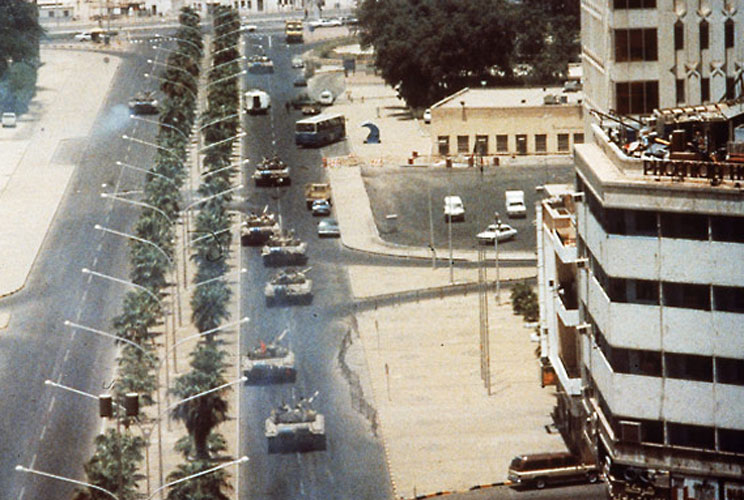
1988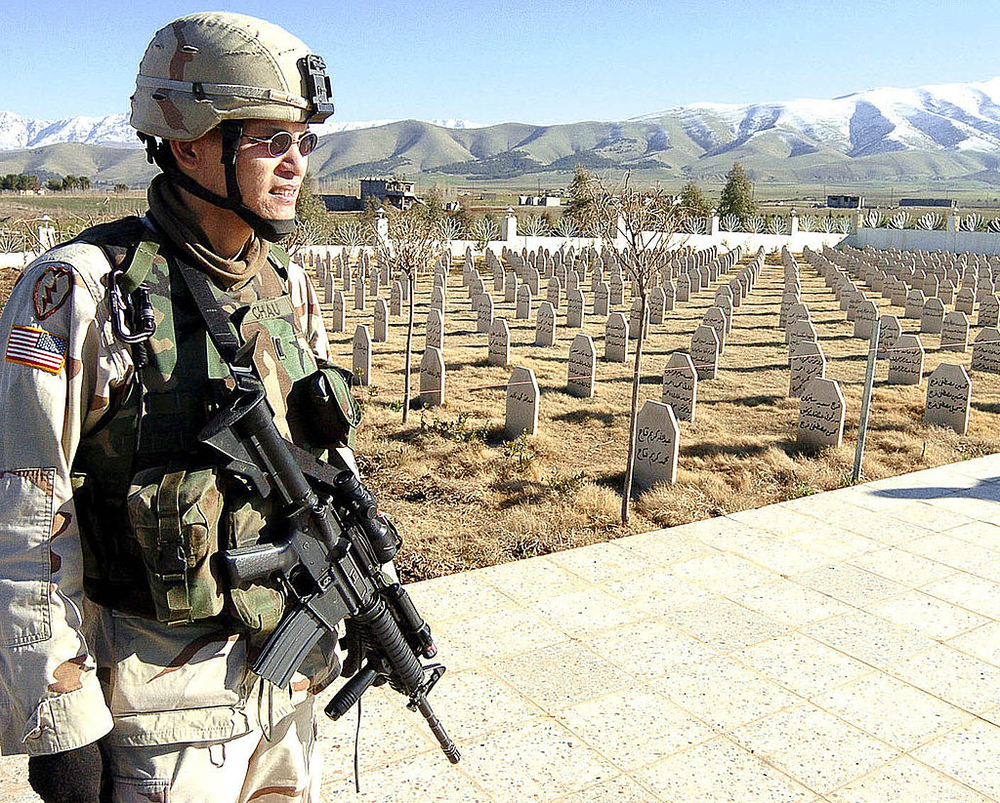
During the Iran-Iraq War, Saddam Hussein's regime launched a chemical attack on the Kurdish town of Halabja. The attack involved the use of chemical weapons, including mustard gas and nerve agents, resulting in the deaths of thousands of civilians and causing long-term health consequences for many survivors. The international community condemned the attack, labeling it as one of the largest chemical weapons attacks against a civilian population in history.
The town of Halabja, located in northern Iraq, was targeted due to its large Kurdish population and their support for Iran during the war. The attack was a part of Hussein's genocidal campaign against the Kurds, known as the Anfal campaign, which aimed to suppress Kurdish resistance to his regime.
The use of chemical weapons in Halabja had devastating effects on the civilian population, leading to immediate deaths and injuries, as well as long-term health issues for survivors, including respiratory problems, skin conditions, and birth defects in newborns. The attack on Halabja served as a stark reminder of the horrors of chemical warfare and the brutality of Saddam Hussein's regime.
#Halabja #ChemicalAttack #KurdishGenocide #IraqWar #HumanRights #InternationalConflict
View details1980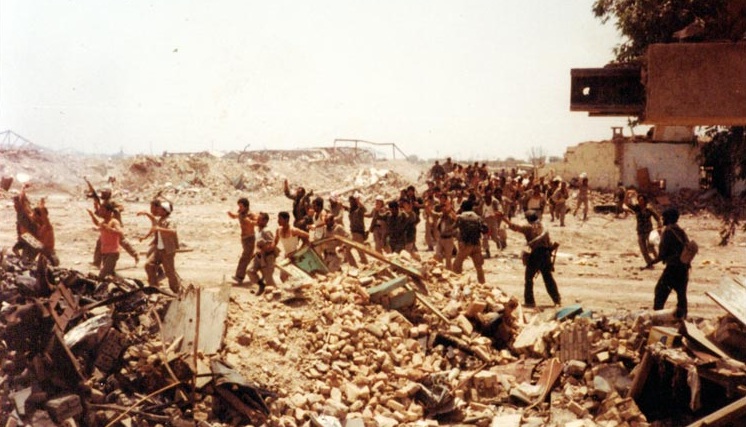
The Iran-Iraq War ignited a long-standing animosity between the two nations, rooted in territorial disputes, border conflicts, and political rivalries. The conflict spanned eight grueling years, characterized by trench warfare, chemical attacks, and high casualty rates. Iran's Islamic revolution fueled tensions, resulting in Iraq's invasion of Iranian territory. Both sides bore the brunt of extensive human and economic losses, with estimates of casualties surpassing hundreds of thousands.
The war's impact extended beyond the battlefield, straining regional dynamics and drawing international concern over its duration and devastation. Despite numerous attempts at ceasefire, the conflict persisted, ravaging infrastructure and disrupting lives on a massive scale. The prolonged fighting drained resources and manpower, leaving scars on both nations that endure to this day.
The Iran-Iraq War serves as a somber reminder of the devastating consequences of protracted conflict, highlighting the complexities of regional power struggles and ideological differences. The war's legacy underscores the importance of diplomacy, peace efforts, and conflict resolution to prevent similar tragedies in the future. #IranIraqWar #LongConflict #HumanCosts
View details1979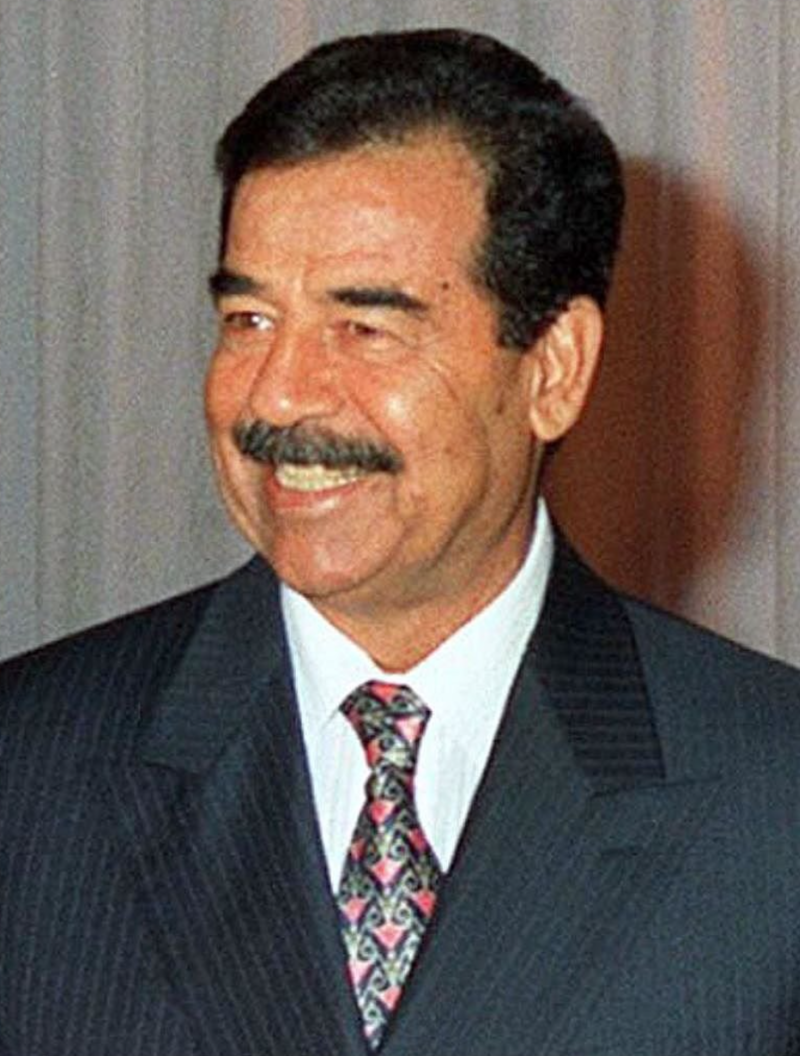
After Ahmed Hassan al-Bakr resigned, Saddam Hussein assumed the presidency of Iraq. Hussein, previously serving as Vice President and leader of the Ba'ath Party, wasted no time consolidating power. He quickly initiated a brutal purge of political opponents, aiming to solidify his authority. This move marked a shift towards a more authoritarian regime with Hussein's iron-fisted control.
Under Hussein's rule, Iraq experienced political repression, human rights abuses, and conflicts with neighboring countries. His aggressive foreign policy led to the Iran-Iraq War and the invasion of Kuwait, resulting in devastating consequences for the region. Despite facing international condemnation and economic sanctions, Hussein's grip on power remained tight for decades.
The rise of Saddam Hussein to the presidency reshaped Iraq's political landscape, ushering in a period defined by dictatorship, instability, and violence. His reign left a lasting impact on the country and its people, shaping its trajectory for years to come. The consequences of his rule continue to reverberate in the region today.
#Iraq #SaddamHussein #Presidency #Authoritarianism #PoliticalInstability #Dictatorship #Conflict
View details1968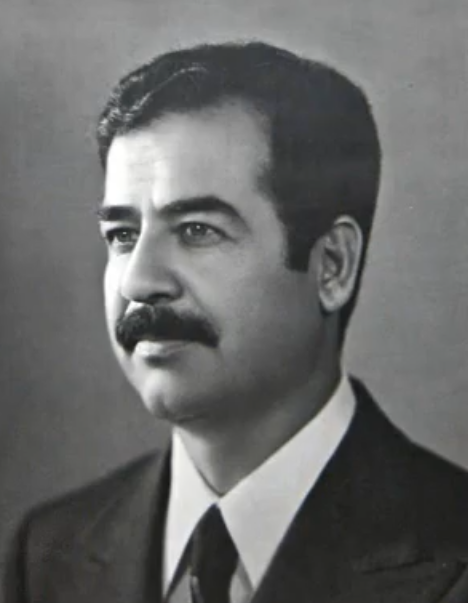
Following a period of political instability in Iraq, Saddam Hussein rose to power as the Vice President in 1968. His appointment came as a result of the Ba'ath Party's successful coup d'état, which aimed to bring stability and unity to the country. Hussein's political prowess and authoritarian leadership style quickly solidified his position within the Iraqi government.
As Vice President, Hussein wielded significant influence over the country's internal affairs and foreign policies. His strategies prioritized maintaining power through suppression of dissent and consolidating authority within the Ba'ath Party. During his tenure, Iraq experienced economic growth and modernization, but also faced widespread human rights abuses and political repression.
Hussein's leadership as Vice President set the stage for his eventual rise to becoming the President of Iraq in the years to come. His legacy is one marked by both accomplishments and controversies, with lasting implications for the country and the wider Middle Eastern region.
#Iraq #SaddamHussein #BaathParty #PoliticalUnrest
View detailsThe Ba'ath Party's coup in Iraq saw Ahmed Hassan al-Bakr rise as the new Iraqi President. The Ba'ath Party, a socialist political group, ousted the existing regime, establishing a new government under their leadership. This event marked a significant shift in power dynamics within Iraq, with the Ba'ath Party taking control of the country's governance.
Under Al-Bakr's leadership, Iraq underwent significant changes in its domestic and foreign policies. The new government prioritized socialist principles, nationalizing industries, and implementing social reforms to benefit the Iraqi population. Al-Bakr's administration also focused on strengthening Iraq's position in the region, particularly in its relationship with neighboring countries and global powers.
The Ba'ath Party's seizure of power and Al-Bakr's presidency had a lasting impact on Iraq's political landscape for years to come. The event solidified the Ba'ath Party's influence in the country, shaping Iraq's trajectory in the coming decades. It also laid the groundwork for future leaders, including Saddam Hussein, who would later assume power within the party.
#BaathParty #Iraq #AlBakr #Coup #PoliticalShift
View details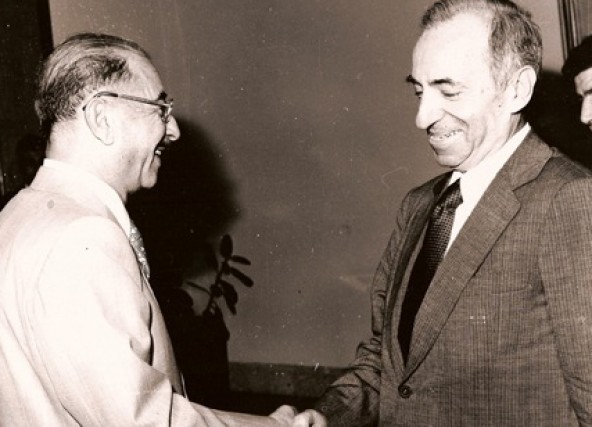
1958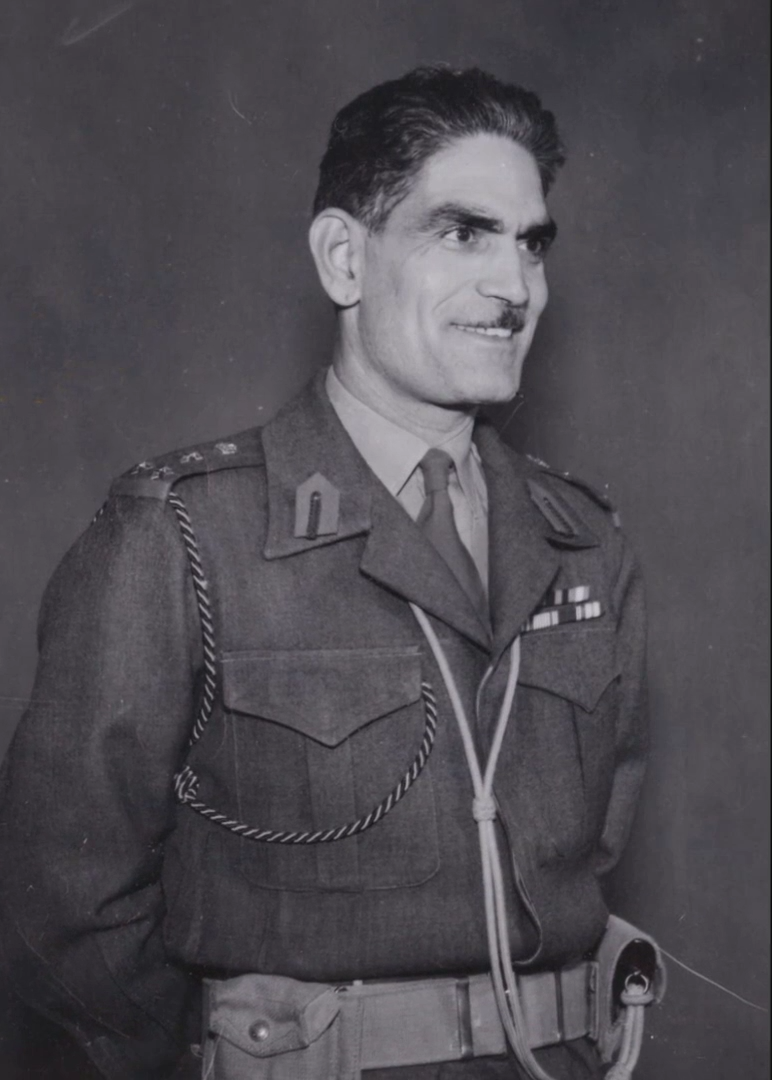
Following years of political unrest and widespread dissatisfaction with the ruling monarchy's policies, the Iraqi people saw a turning point in their nation's history when Abd al-Karim Qasim led a successful coup d'état. Qasim, along with a group of military and civilian supporters, orchestrated the overthrow of the monarchy, culminating in the execution of King Faisal II, Prime Minister Nuri al-Said, and several members of the royal family.
The coup marked the end of the Hashemite monarchy and the establishment of a republic in Iraq. Qasim's rise to power brought about significant political and social changes, including land reforms, nationalization of key industries, and closer ties with the Soviet Union. However, his leadership also led to internal divisions, with Kurdish and Communist uprisings challenging the new regime.
The aftermath of the coup saw Iraq entering a period of political instability, as various factions vied for power. Qasim's nationalist and socialist policies faced opposition from conservative elements within Iraqi society, leading to further turmoil and eventually paving the way for his own overthrow in a Ba'athist-led coup in the following decade.
The overthrow of the Iraqi monarchy by Abd al-Karim Qasim marked a significant shift in the country's political landscape, with lasting repercussions for its governance and internal stability. #Iraq #Coup #AbdalKarimQasim #Monarchy #PoliticalUnrest
View details1945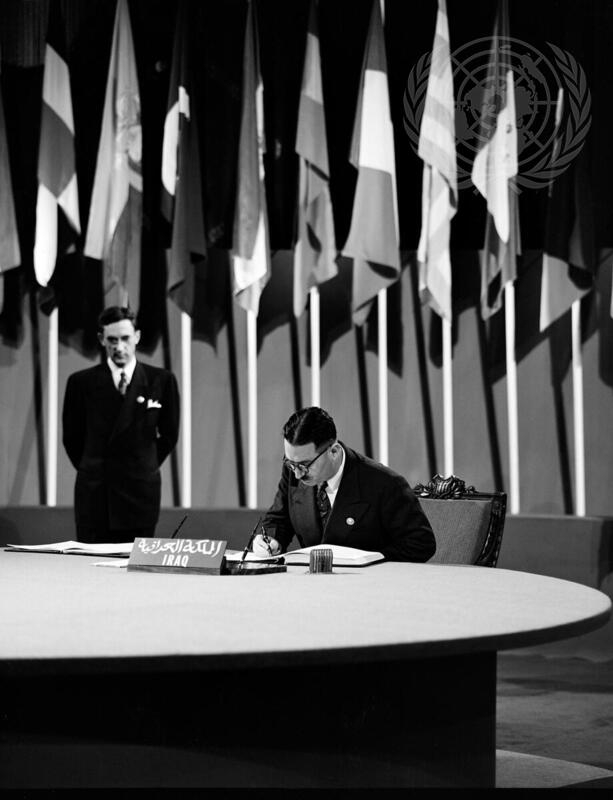
Following the conclusion of World War II, Iraq was welcomed as a new member of the United Nations. This marked a significant step for the nation in the global diplomatic sphere. Iraq's entry into the United Nations was a reflection of its desire to participate in international dialogue and cooperation, as well as a recognition of its sovereign status on a world stage.
The event emphasized Iraq's commitment to upholding the principles of the United Nations Charter and contributing to the maintenance of international peace and security. It provided Iraq with a platform to engage with other countries on issues of mutual concern, seek diplomatic solutions to conflicts, and participate in the decision-making processes of the international community.
Joining the United Nations offered Iraq the opportunity to collaborate with other nations on initiatives aimed at promoting social progress, better standards of living, and human rights. It also signified a commitment to multilateralism and the peaceful resolution of disputes.
Iraq's accession to the United Nations underscored its aspiration to be a responsible member of the global community, willing to collaborate with others to address shared challenges and work towards a more peaceful and prosperous world. #Iraq #UnitedNations #GlobalDiplomacy
View details1944
In 1944, the Baghdad Symphony Orchestra was established in Iraq's capital city. The orchestra emerged during a period of cultural revival in the region, aiming to promote music education and cultural exchange.
The founding of the Baghdad Symphony Orchestra marked a significant development in Iraq's cultural landscape, fostering a platform for local and international musicians to showcase their talents. The orchestra quickly gained recognition for its performances, showcasing a blend of traditional Iraqi music with Western classical repertoire.
With a diverse ensemble of musicians, the Baghdad Symphony Orchestra played a pivotal role in bridging cultural divides and promoting harmony through music. It became a symbol of unity and cultural pride for the people of Iraq, transcending political and social barriers.
Through its performances and educational initiatives, the orchestra inspired generations of musicians and music enthusiasts, leaving a lasting impact on Iraq's cultural heritage. The Baghdad Symphony Orchestra continues to thrive, embodying the spirit of creativity and collaboration in the region's music scene.
#BaghdadSymphonyOrchestra #CulturalRevival #MusicalHarmony #IraqiHeritage
View details1943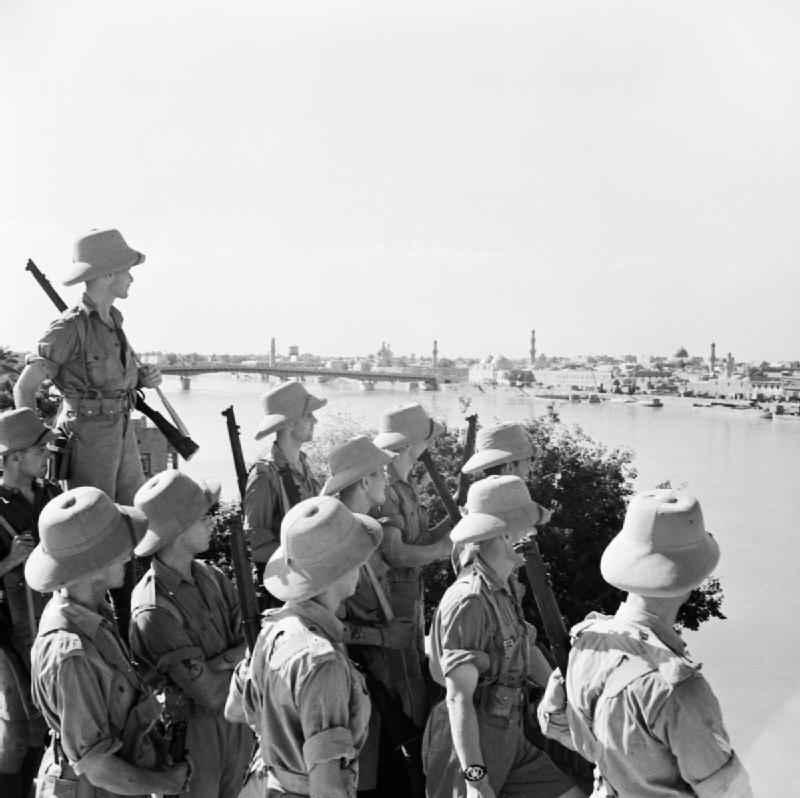
During World War II, Iraq declared war on the Axis powers, marking a significant shift in its foreign policy. The decision was influenced by a pro-German coup in 1941 that led to increased Axis presence in the country. The British, determined to maintain influence in the oil-rich region, launched a military campaign in Iraq, resulting in the removal of the pro-German government and the installation of a pro-British regime.
The declaration of war by Iraq was met with mixed reactions internally, as different factions within the country had varying attitudes towards the Axis powers. The impact of this decision was felt both domestically and internationally, as Iraq's alignment with the Allies changed the dynamics of the war in the Middle East.
This event highlighted the complexities of alliances and allegiances during WWII, showcasing the geopolitical importance of the region. It also underscored the strategic significance of Iraq's natural resources, particularly oil, in shaping global conflicts.
#Iraq #WorldWarII #AxisPowers #Allies #Geopolitics #OilResources
View details1941
Yasin al-Hashimi's government faced a challenge from the Golden Square, a group of pro-Axis army officers, in a coup. The Golden Square aimed to align Iraq with the Axis powers during World War II, intending to remove British influence from the country.
The coup resulted in the overthrow of Yasin al-Hashimi's government and the installation of a pro-Axis regime. This led to tensions with the British, who responded by invading Iraq to secure their interests in the region.
The event highlighted the geopolitical complexities of the region during World War II and the struggle for control and influence. The coup had far-reaching consequences, shaping the trajectory of Iraq's involvement in the war and its position in the broader conflict.
The coup also reflected the internal divisions within Iraq, with different factions vying for power and influence. The aftermath of the coup saw Iraq becoming a battleground for competing interests, ultimately affecting its strategic importance in the region.
#Iraq #WorldWarII #Coup #Geopolitics
View details1932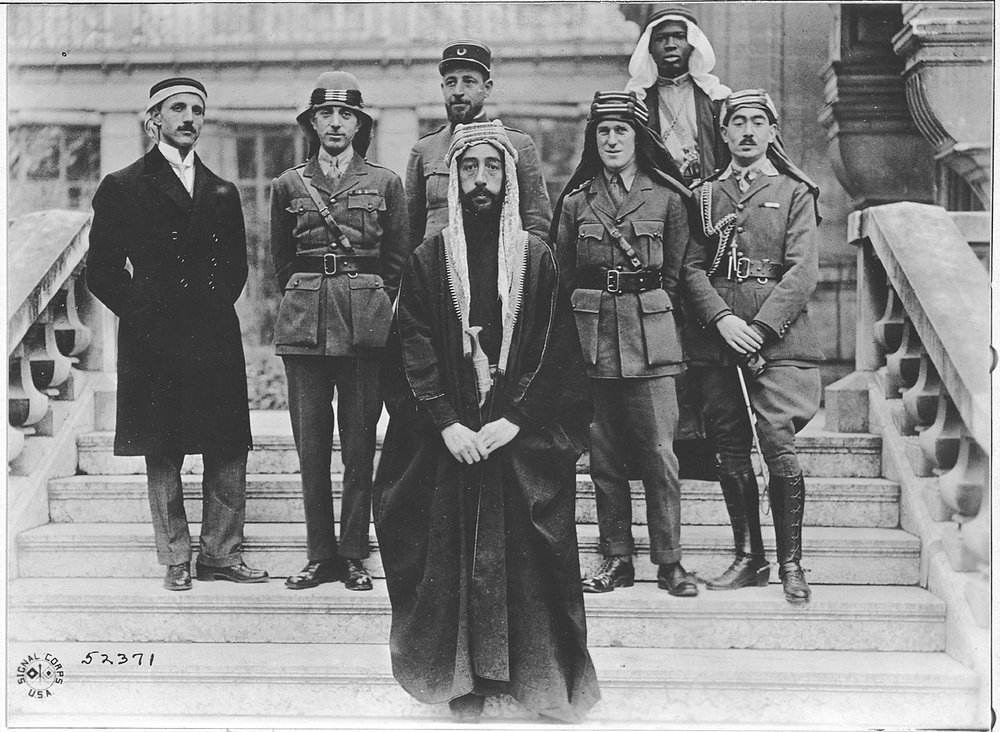
Following years of British control, Iraq was granted independence, marking a pivotal moment in its history. The push for autonomy began with nationalist movements seeking to break free from colonial rule. The pressure mounted until Iraq finally achieved independence.
Once granted self-governance, Iraq faced the challenge of establishing a stable political system and asserting its identity on the world stage. The country's newfound independence brought about a period of transition and redefinition, as it navigated its way through the complexities of post-colonial nation-building.
The impact of Iraq's independence was profound, shaping its trajectory as a sovereign state. It provided an opportunity for the country to pursue its own path, forge its own alliances, and make decisions that would shape its future. The event marked a significant turning point in Iraqi history, setting the stage for the country to chart its own course.
The granting of independence to Iraq from British control was a landmark event that set the stage for the country's evolution. It allowed Iraq to emerge as a sovereign nation, with the freedom to determine its own destiny, both domestically and on the international stage. #Iraq #Independence #ColonialLegacy
View details1927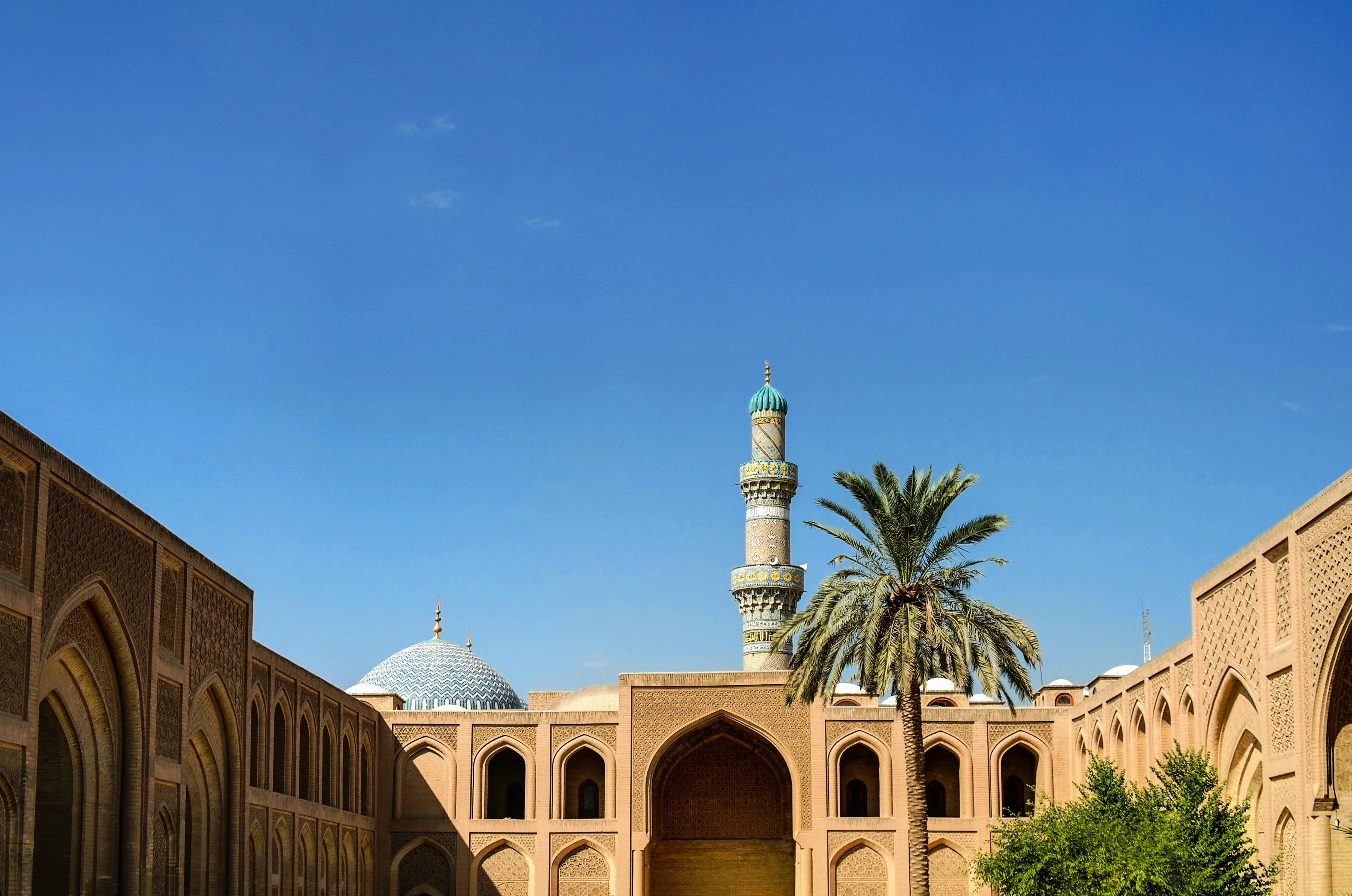
In 1927, the Baghdad School of Medicine was established in Iraq. Founded as a crucial institution for medical education and research, it played a vital role in advancing healthcare in the region.
The school's establishment marked a significant milestone in the development of medical expertise in Iraq. It provided a platform for aspiring medical professionals to acquire knowledge and practical skills, ultimately contributing to the improvement of healthcare services in the country.
Over the years, the Baghdad School of Medicine has produced a significant number of highly skilled doctors and medical specialists, who have made substantial contributions to the field of medicine both nationally and internationally. The institution's emphasis on research and innovation has helped in addressing various health challenges and improving healthcare outcomes in the region.
The impact of the Baghdad School of Medicine extends beyond its academic contributions. It has played a pivotal role in shaping the healthcare landscape in Iraq, fostering a legacy of excellence and service in the field of medicine.
#BaghdadSchoolofMedicine #HealthcareInnovation #MedicalEducation #IraqMedicalAdvancements
View details1920
The establishment of the Iraq National Library and Archive marked a pivotal moment in the country's cultural and historical preservation efforts. This initiative was a response to the need for a centralized institution to safeguard the rich heritage of Iraq. The library aimed to collect, preserve, and provide access to a wide range of materials, including books, manuscripts, and archives, reflecting the country's diverse history and culture.
The Iraq National Library and Archive has since become a crucial resource for researchers, scholars, and the general public interested in delving into Iraq's past. It houses a vast collection of documents, rare manuscripts, and publications, offering valuable insights into various aspects of the country's history, literature, and society. The institution plays a vital role in promoting the importance of preserving cultural heritage and fostering a greater understanding and appreciation of Iraq's history and identity.
Through its diverse collections and outreach programs, the Iraq National Library and Archive continues to play a significant role in education, research, and cultural development in Iraq and beyond. The establishment of this institution underscores the country's commitment to cherishing its cultural legacy and sharing it with the world.
#IraqNationalLibrary #CulturalHeritage #HistoricalPreservation
View details1917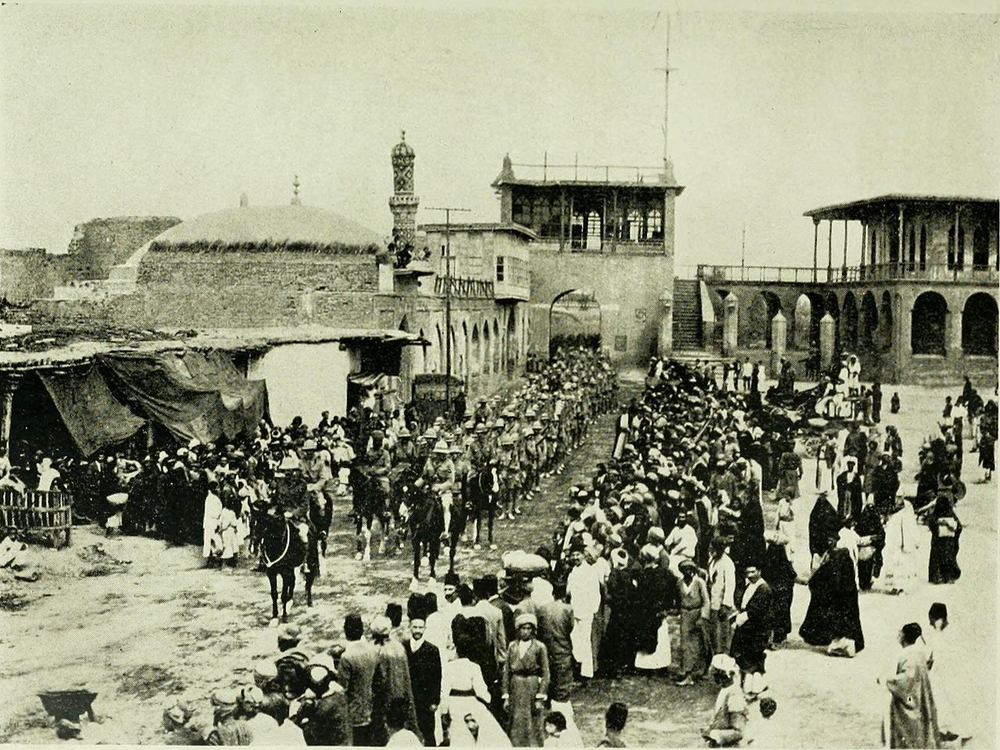
British forces occupied Baghdad during World War I, marking a crucial turning point in the conflict. The occupation aimed to secure Mesopotamia and protect British interests in the region, particularly oil reserves. The capture of Baghdad from the Ottoman Empire disrupted their hold on the Middle East and secured a vital strategic position for the Allies. The British occupation brought significant changes to the local administration and infrastructure, shaping the future of Iraq.
The impact of the occupation reverberated beyond the war, influencing the geopolitical landscape of the Middle East. The British mandate in Iraq after the war laid the foundation for the country's modern borders and political system. However, it also sowed seeds of discontent and nationalist sentiments among the Iraqi population, leading to future struggles for independence.
The occupation of Baghdad during World War I remains a pivotal event in the history of Iraq, shaping its destiny for decades to come. It reflects the complex legacy of colonialism and foreign intervention in the region. #BritishOccupation #WorldWarI #IraqHistory #Geopolitics
View details1909
In 1909, the construction of one of the earliest cinemas marked a pivotal moment in entertainment history. The cinema's establishment reflected the growing popularity of motion pictures and the emergence of movie-going as a widespread pastime.
The creation of this cinema provided the public with a new form of leisure activity, offering them a chance to escape reality and immerse themselves in the world of film. This development transformed the way people socialized and spent their leisure time, contributing to the rise of the film industry as a dominant cultural force.
The cinema's construction not only catered to the entertainment needs of the community but also represented a significant step forward in technological advancement. It showcased the innovative spirit of the time and the willingness to embrace new forms of media and artistic expression.
This event symbolizes the beginning of a new era in entertainment history, where the silver screen became a centerpiece of cultural life. The cinema built in 1909 paved the way for the proliferation of movie theaters worldwide, shaping the way we consume and interact with visual storytelling.
#Cinema #EntertainmentHistory #FilmIndustry
View details