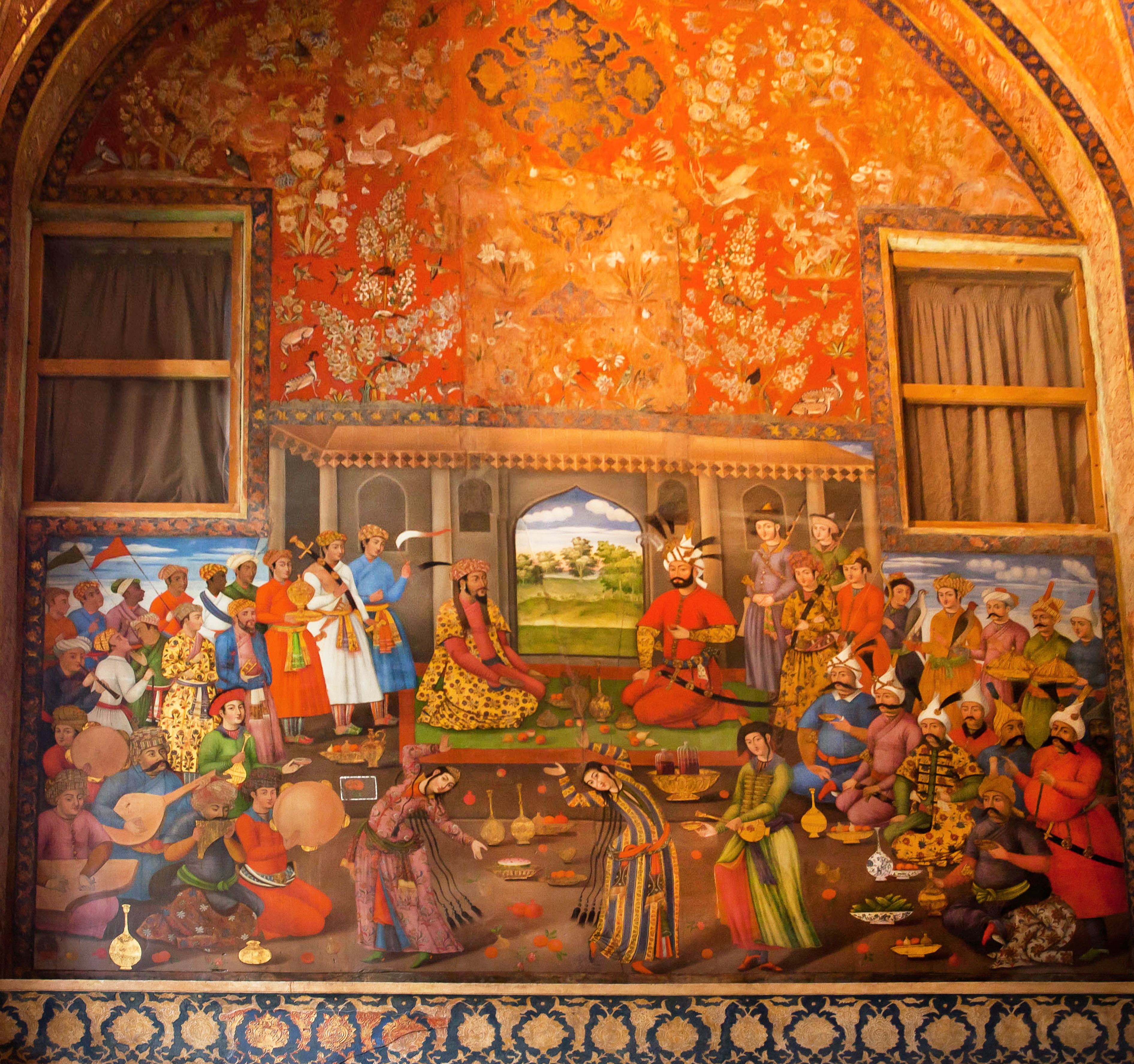
Shah Abbas I moves Safavid capital to Isfahan, sparking cultural and economic prosperity.
Iraq
Cultural Floursihing
Economic Prosperity
3 min read
Updated By: History Editorial Network (HEN)
Published:
During the late sixteenth century, Shah Abbas I of the Safavid Empire made a strategic decision to relocate the capital from Qazvin to Isfahan. This move aimed to centralize power, strengthen control over the empire, and shift focus towards the more strategically located Isfahan. The transfer of the capital sparked a period of immense cultural and economic flourishing known as the Safavid Renaissance.
Isfahan soon became a vibrant hub of art, architecture, and commerce, attracting artists, architects, and merchants from far and wide. The city's skyline was transformed with magnificent structures like the Imam Mosque, Ali Qapu Palace, and the Lotfollah Mosque, all showcasing the finest examples of Islamic architecture. The Safavid rulers patronized the arts, leading to the development of exquisite crafts such as carpets, textiles, and miniatures.
The relocation of the capital to Isfahan also boosted trade and commerce, with the city positioned along key trade routes linking Europe and Asia. This economic prosperity further fueled the development of a sophisticated urban society.
The cultural and economic renaissance that followed the relocation of the capital to Isfahan marked a golden age for the Safavid Empire, leaving a lasting legacy in art, architecture, and commerce.
#SafavidEmpire #Isfahan #CulturalFlourishing #EconomicProsperity
Primary Reference
4.3 The Safavid Empire - World History Volume 2, from 1400 ...

Explore the Life Moments of
 AI Twin