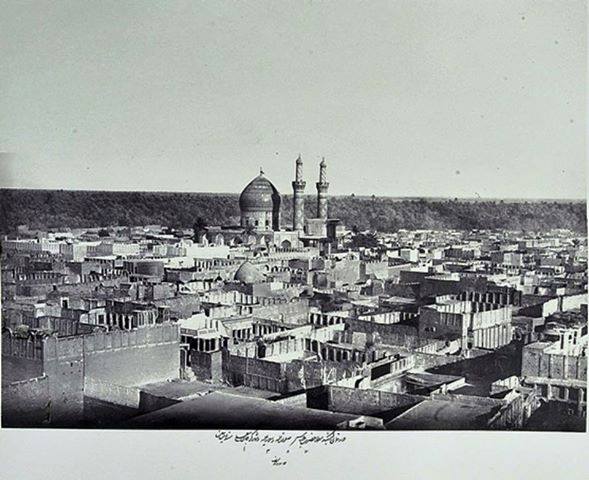
Devastating Wahhabi assault on Karbala and Najaf, significance of cities compromised, history impacted greatly.
Iraq
Religious Conflict
3 min read
Updated By: History Editorial Network (HEN)
Published:
During the Wahhabi invasion of Iraq, Karbala and Najaf fell victim to devastating attacks in 1802. The Wahhabi movement, known for its strict interpretation of Islam, aimed to eliminate perceived religious practices deemed impure. This invasion marked a ruthless chapter as the holy cities faced brutal sieges, resulting in significant damage to sacred sites and the loss of countless lives.
The invasion of Karbala and Najaf shook the Muslim world, with Shia communities bearing the brunt of the violence. The sack of these revered cities left a lasting impact on the religious landscape, sparking outrage and revulsion among followers. The desecration of shrines and the massacre of innocent worshippers fueled tensions and sectarian strife.
In the aftermath of the invasion, efforts to rebuild and restore the sanctity of Karbala and Najaf commenced, highlighting the resilience and determination of the affected communities to preserve their religious heritage. The memory of this dark period serves as a reminder of the importance of unity and vigilance in safeguarding sacred spaces.
#WahhabiInvasion #Karbala #Najaf #IraqHistory #ReligiousConflict #Resilience
Primary Reference
Wahhabi sack of Karbala - Wikipedia

Explore the Life Moments of
 AI Twin