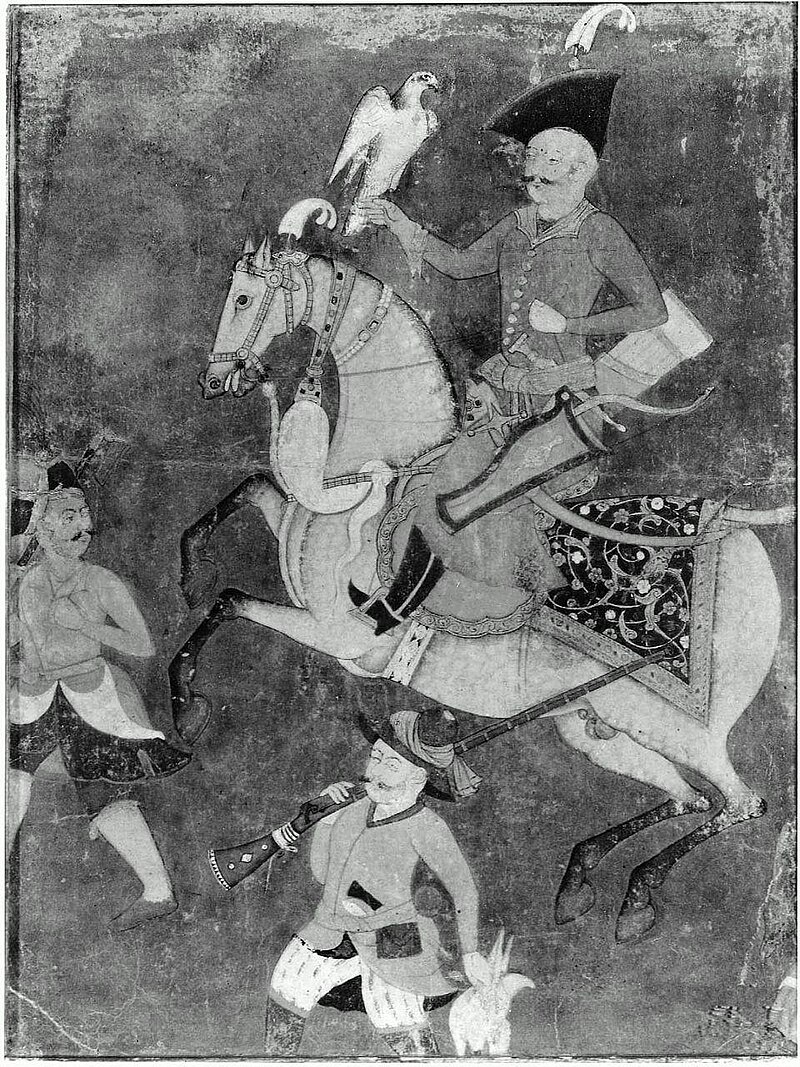
Ottoman Empire's conquest of Baghdad initiates their governance in the region.
Iraq
Political
Economic Downturn
3 min read
Updated By: History Editorial Network (HEN)
Published:
In 1634, the Ottoman Empire seized Baghdad, commencing their dominion over Iraq. This marked a significant shift in the region's power dynamics, as Baghdad was a strategic center of trade, culture, and politics. The Ottoman Empire aimed to expand its territories and control over the Persian Gulf and Indian Ocean trade routes, thus enhancing its economic and military power.
The capture of Baghdad led to the imposition of Ottoman administrative systems and taxation in Iraq, altering the local governance structure. The Ottomans also integrated Iraqi soldiers into their military to strengthen their forces. This period saw cultural exchange and assimilation between the Turks and Iraqis, influencing art, architecture, and cuisine.
The Ottomans ruled Iraq for centuries, leaving a lasting impact on its societal, economic, and political landscapes. The capture of Baghdad in 1634 was a turning point in the history of Iraq, shaping its trajectory for years to come.
#OttomanEmpire #BaghdadCapture #IraqHistory #PowerShift #CulturalExchange
Primary Reference
Object of the Day - Saint Louis Art Museum

Explore the Life Moments of
 AI Twin