The Dutch Involvement in the Gold Trade and Its Impact on Colonial Economics
Ghana
Colonial Trade
Economic Impact
3 min read
Updated By: History Editorial Network (HEN)
Published:
Updated:
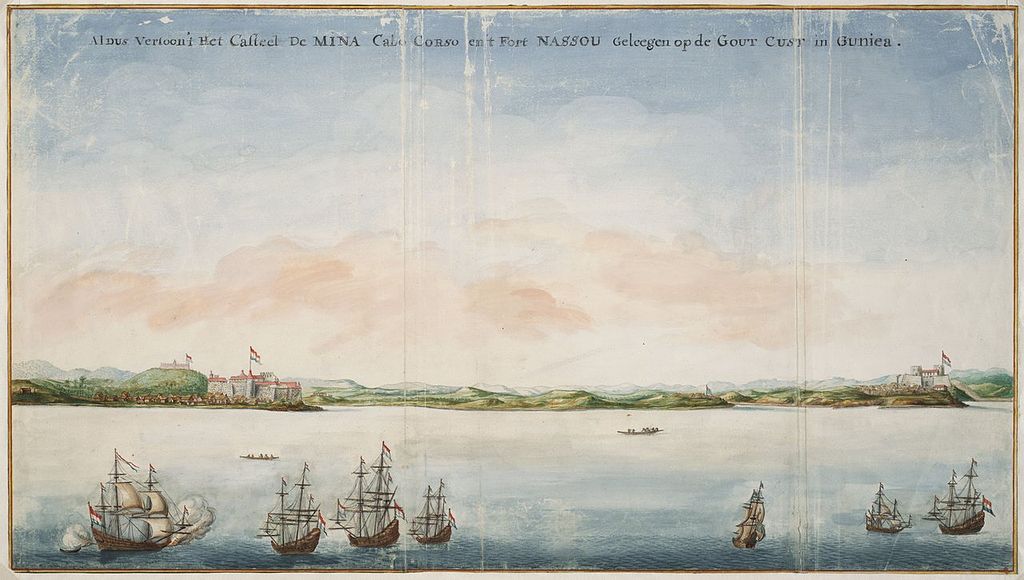
By 1598, the Dutch had firmly entered the lucrative gold trade, joining the Portuguese in their quest for wealth along the West African coast. This marked the establishment of the Dutch Gold Coast, known as 'Nederlandse Bezittingen ter Kuste van Guinea.' The Dutch recognized the strategic importance of the region and began constructing fortified trading posts to secure their interests. Notable among these were Fort Komenda and Kormantsi, which served as critical hubs for trade and defense. The competition for dominance in the gold trade intensified, leading to significant military engagements. In 1617, the Dutch successfully captured the Elmina Castle from the Portuguese, a pivotal stronghold that had been a cornerstone of Portuguese trade operations since its completion in 1482. This acquisition not only bolstered Dutch influence in the region but also marked a significant shift in the balance of power in West Africa. Further consolidating their presence, the Dutch seized Fort St. Anthony in Axim in 1642, further expanding their control over the gold trade and establishing themselves as a formidable force in the region's colonial landscape.
#Mooflife #MomentOfLife #DutchGoldCoast #GoldTrade #ElminaCastle #Portuguese #WestAfrica

Explore the Life Moments of
 AI Twin