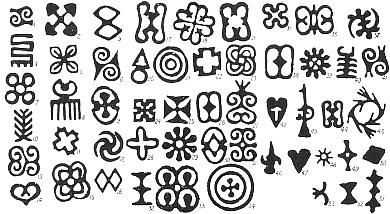
The Art of Adinkra Printing: Techniques and Cultural Significance of Hand-Printed and Hand-Embroidered Designs
Ghana
Art
Culture
Textiles
3 min read
Updated By: History Editorial Network (HEN)
Published:
Updated:
In the 13th century, Ghana witnessed the emergence of a distinctive art form known as adinkra printing. This unique technique involved hand-printing and hand-embroidering fabrics, which were primarily reserved for royalty during devotional ceremonies. Each adinkra motif carries a specific name and meaning, often rooted in proverbs, historical events, human attitudes, and elements from nature.
The symbols serve not only as decorative tattoos but also encapsulate profound messages that convey traditional wisdom and reflect various aspects of life and the environment. The meanings of these symbols can be categorized into aesthetics, ethics, human relations, and conceptual ideas. As noted by philosopher Anthony Appiah, adinkra symbols played a crucial role in pre-literate societies, facilitating the transmission of complex beliefs and practices. The rich symbolism of adinkra continues to be a vital part of Ghanaian culture, representing a blend of artistry and deep-rooted cultural narratives.
#Mooflife #MomentOfLife #AdinkraPrinting #GhanaianCulture #13thCenturyArt #TraditionalSymbols #CulturalHeritage

Explore the Life Moments of
 AI Twin