The British Empire's Strategic Control Over Coastal Regions and Its Historical Implications
Ghana
Colonial Studies
British Empire
3 min read
Updated By: History Editorial Network (HEN)
Published:
Updated:
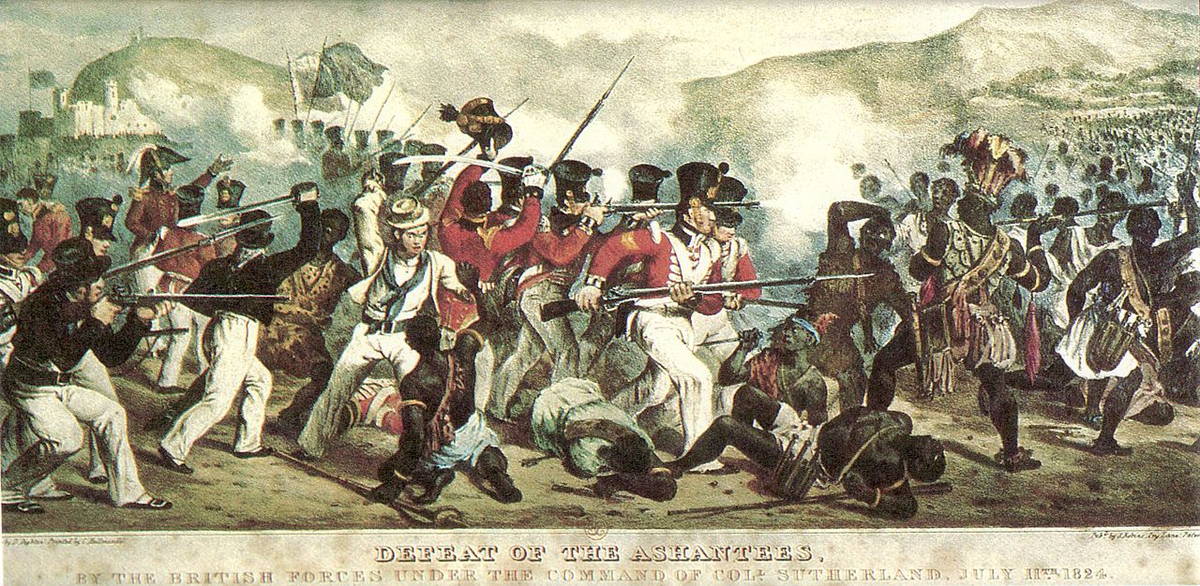
In 1874, Great Britain solidified its colonial ambitions by establishing control over parts of what is now Ghana, designating these territories as the British Gold Coast. This move marked the beginning of a series of military engagements between British colonial forces and the Akan nation-states, particularly the powerful Kingdom of Ashanti. The Anglo-Ashanti wars, a protracted conflict spanning over a century, saw the Ashanti Empire successfully repel British advances on several occasions. Notably, the Ashanti forces achieved significant victories against the British, showcasing their military prowess and resilience.
However, the tide turned with the War of the Golden Stool in 1900, a pivotal conflict that ultimately led to the decline of Ashanti independence. Despite their fierce resistance, the Ashanti were unable to withstand the British military might, resulting in the annexation of their territory and the establishment of British colonial rule. This period was marked by significant cultural and political changes, as the British sought to impose their governance and economic systems on the local populations, leading to lasting impacts on the region's history and development.
#Mooflife #MomentOfLife #BritishGoldCoast #Anglo-ashantiWars #KingdomOfAshanti #ColonialHistory #WarOfTheGoldenStool

Explore the Life Moments of
 AI Twin