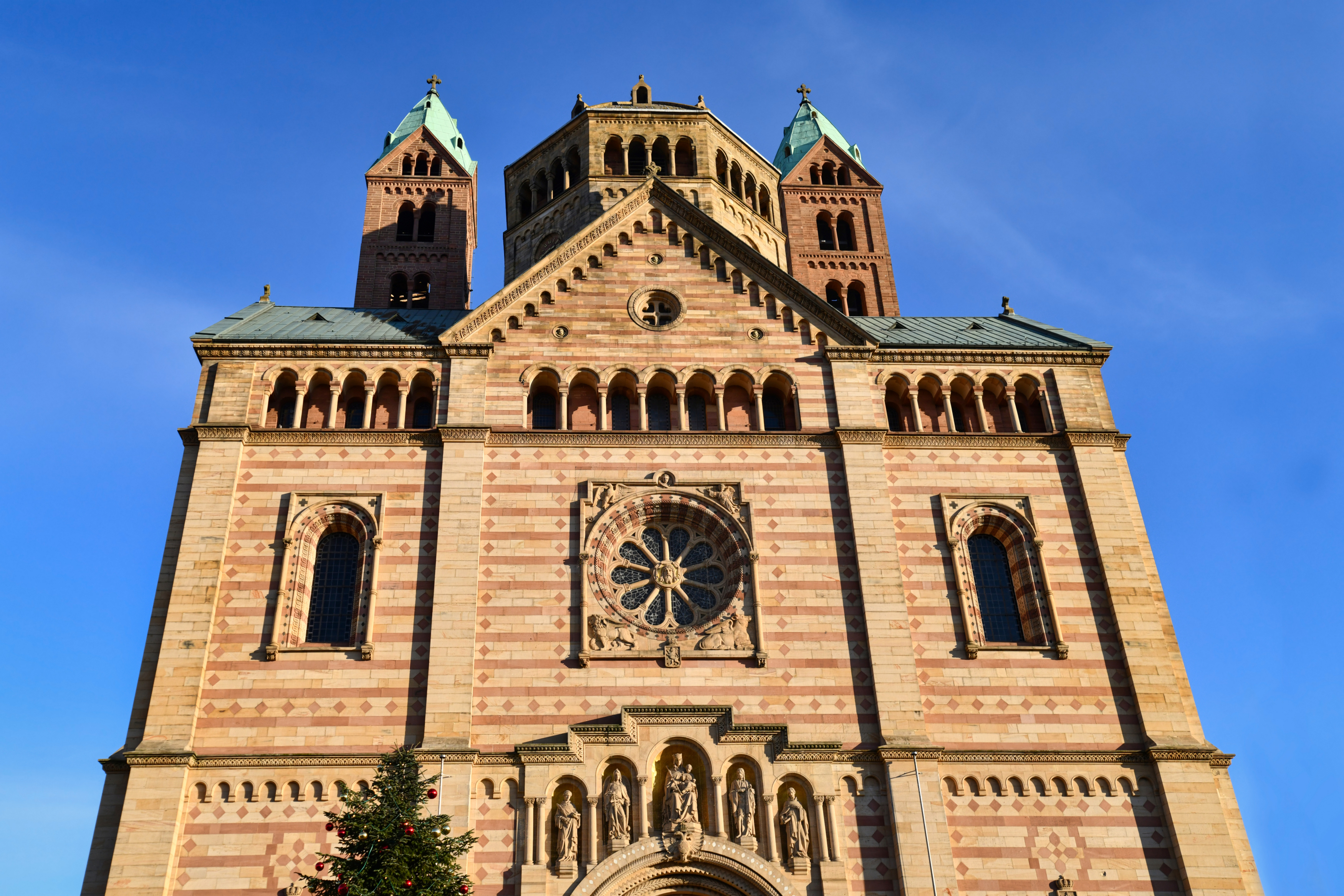
Construction of significant Romanesque Speyer Cathedral begins, pivotal in architectural history.
Germany
Architecture
3 min read
Updated By: History Editorial Network (HEN)
Published:
The construction of the Speyer Cathedral commenced in the early 11th century in Speyer, Germany. This Romanesque-style cathedral was a monumental undertaking, spanning several decades before completion. The cathedral was designed to be a symbol of power and wealth for the Salian dynasty, showcasing their influence in the region.
The Speyer Cathedral's architecture and size were unprecedented in Germany, setting a new standard for Romanesque cathedrals in the country. Its intricate design, including massive vaulted ceilings and ornate sculptures, reflected the skills and craftsmanship of the artisans involved.
Upon completion, the Speyer Cathedral became a significant religious and cultural center in Germany. Pilgrims from far and wide flocked to the cathedral to marvel at its grandeur and seek blessings. The cathedral also served as the final resting place for several emperors and kings, adding to its historical importance.
Today, the Speyer Cathedral stands as a UNESCO World Heritage Site, attracting tourists and historians alike. Its enduring legacy as one of the largest and most significant Romanesque cathedrals in Germany continues to captivate visitors with its architectural splendor and rich history.
#SpeyerCathedral #RomanesqueArchitecture #GermanHistory #UNESCOWorldHeritage
Primary Reference
Speyer Cathedral - UNESCO World Heritage Centre

Explore the Life Moments of
 AI Twin