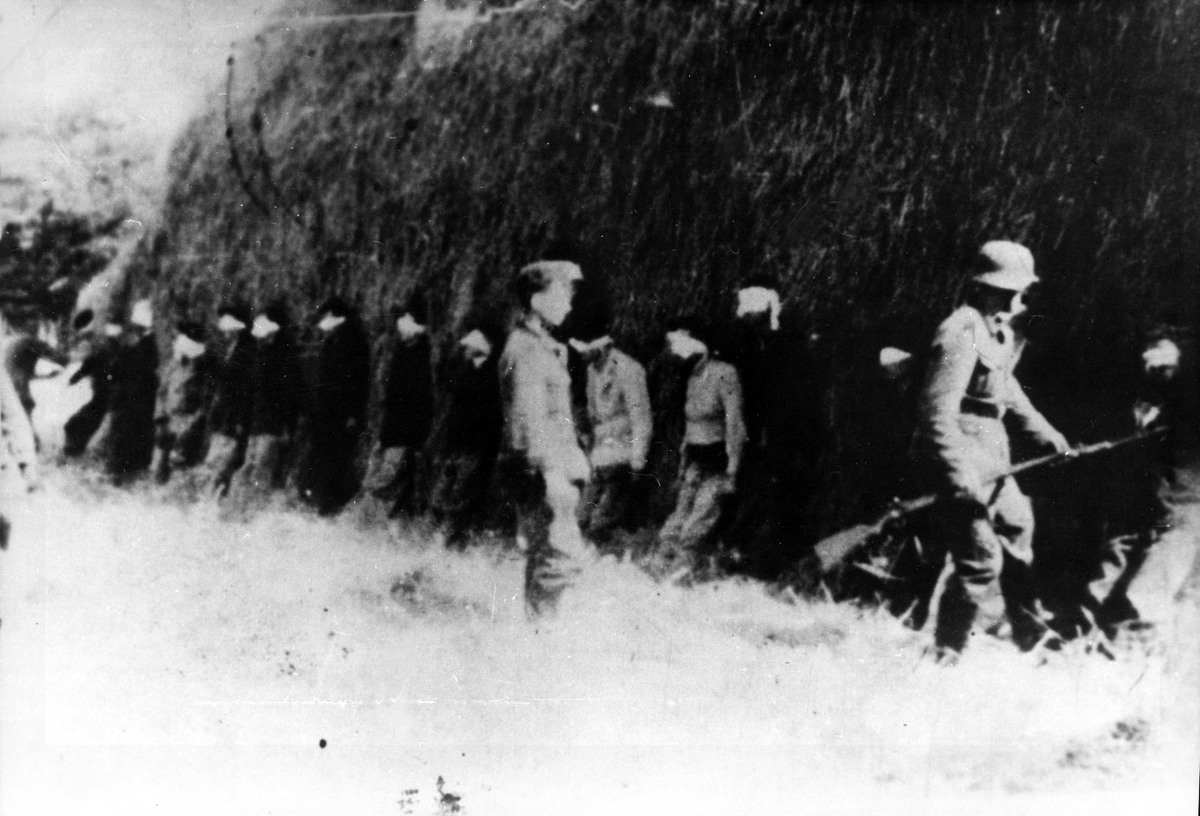
Partisans liberate Bosnia-Herzegovina with Tito's campaign.
Bosnia and Herzegovina
Political
6 min read
Updated By: History Editorial Network (HEN)
Published:
During the latter stages of World War II, the region known today as Bosnia-Herzegovina experienced a pivotal moment in its history. The Partisans, a communist-led resistance movement under the command of Josip Broz Tito, played a critical role in the liberation of this area. Formed in response to the Axis occupation of Yugoslavia, Tito's Partisans were a diverse and multi-ethnic group that included Serbs, Croats, Muslims, and others united against a common enemy.
The Partisan campaign was marked by strategic guerrilla warfare, which involved ambushes, sabotage, and a strong network of underground support. This approach effectively weakened the German forces and their local collaborators, leading to a gradual reclaiming of territory. The Partisans enjoyed significant popular support, which was bolstered by their commitments to both national liberation and the promise of social reforms.
The culmination of the Partisan efforts resulted in the successful liberation of Bosnia-Herzegovina. This victory was not solely a military achievement; it also had profound socio-political implications. The liberation allowed the reestablishment of local governance and laid the foundation for the post-war socialist Yugoslavia. The end of the occupation marked a significant reduction in the violence and suffering that had plagued the region, especially for the civilian population, which had endured severe hardships including forced labor, executions, and widespread displacement.
Statistically, the Partisan forces grew from a modest resistance group to an army of several hundred thousand fighters. Their increasing strength was both a cause and effect of their successful operations, which gained momentum and led to the eventual retreat of German and Axis-aligned forces. Tito's leadership was instrumental not only in military strategy but also in forging a sense of unity among the disparate ethnic groups within the Partisan ranks.
The post-liberation era saw the integration of Bosnia-Herzegovina into the newly formed Federal People's Republic of Yugoslavia. This integration brought significant changes, including land reforms and industrialization, contributing to the socio-economic transformation of the region. The narrative of liberation and unity played a central role in the collective memory and identity of the people within Bosnia-Herzegovina and the broader Yugoslav state.
#BosniaHerzegovina #WWII #Tito #Partisans #Liberation #Unity #GuerrillaWarfare #History #MoofLife
Primary Reference
Bosnia-Herzegovina profile - Timeline - BBC News
Explore the Life Moments of
 AI Twin